There is a quiet tension in the earliest moments of a life that refuses to be seen — like the first unfurling of a leaf in dense undergrowth, hidden under shadows until it breaks toward sunlight. In the sprawling landscape of human biology, pancreatic cancer has long been that hidden shoot, its beginnings silent, its presence elusive, and its impact devastating when finally revealed. New scientific insight suggests that this stealth may begin not just with the tumor itself, but with its very first steps in evading the body’s own immune defenses, long before the disease reaches the clinical stage where doctors typically detect it.
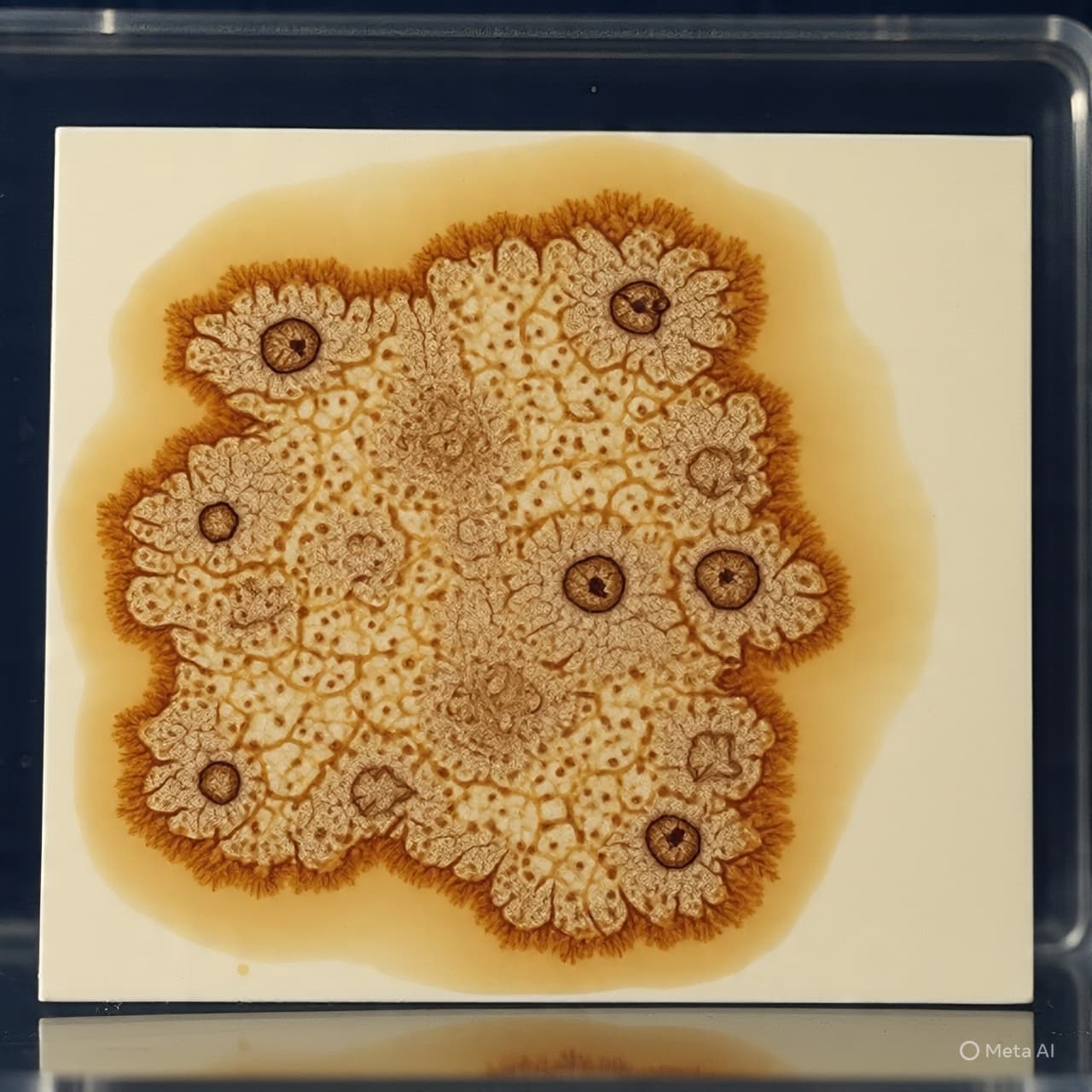
In research emerging from the Hebrew University of Jerusalem, scientists have used cutting‑edge techniques — combining single‑cell RNA sequencing with spatial transcriptomics — to look deeply into the earliest aberrations within pancreatic tissue as cancer begins to form. What they observed was not a chaotic scatter of wayward cells, but rather distinct precancerous “niches” where early abnormal cells gather in intimate, organized patterns. These clusters appear to engage with nearby immune cells in ways that suppress immune activity, setting the stage for tumor growth long before a diagnosis becomes possible.
This finding upends a longstanding assumption that immune evasion is a late game, occurring once a cancer has become established and clinically apparent. Instead, the spatial patterns seen in these early lesions hint that pancreatic cancer may weave its camouflage even as its earliest seeds are planted. In this metaphor, the immune system — meant to be vigilant against threats — is gently coaxed into a state of unawareness, much like a garden breeze that carries a scent only the most attuned nose can detect.
Indeed, the researchers found that some groups of pancreatic cells, even when not yet malignant, lie in close proximity to immune cells associated with suppression, including certain macrophages and neutrophils. The interaction between precancerous cells and these immune neighbors appears to create a local environment that favors evasion. Gene expression patterns known to tamp down immune responses were detected within these micro‑neighborhoods, suggesting that the earliest interplay between tumor and defense system is more subtle and coordinated than previously thought.
This discovery does not stand alone; it joins a broader chorus of research showing that pancreatic cancer is exceptionally good at eluding immune attack. Previous work has shown that tumors use molecular tricks — such as coating themselves with immune‑suppressing proteins or mimicking normal cellular signals — to send false “don’t attack me” messages to immune sentinels. But the new work pushes that veil back further, indicating that the immune system’s blind spots may emerge with the very first abnormal changes in the tissue landscape.
The implications are profound. If immune evasion begins at the earliest points of tumor development, then strategies to intercept cancer at its earliest phases must consider not only detection but also how to counteract these suppressive interactions before they take root. Early detection tools — including novel biomarkers, blood tests and advanced imaging approaches — may benefit from this new understanding by targeting the immune microenvironment as much as the cancer cells themselves.
For patients and clinicians, pancreatic cancer has always been a stealth opponent — diagnosed too late for effective intervention in most cases, with a five‑year survival rate among the lowest for all common cancers. By illuminating how cancers hide before they fully emerge, this research adds a critical piece to the puzzle of early detection and prevention, and offers hope that seeing the unseen could become an important part of stopping cancer’s advance.
In straightforward terms, a new study finds that pancreatic cancer may begin evading the immune system much earlier in its development than previously understood, as precancerous cells organize into distinct niches that interact with and suppress immune cells, potentially shaping disease progression long before clinical detection.
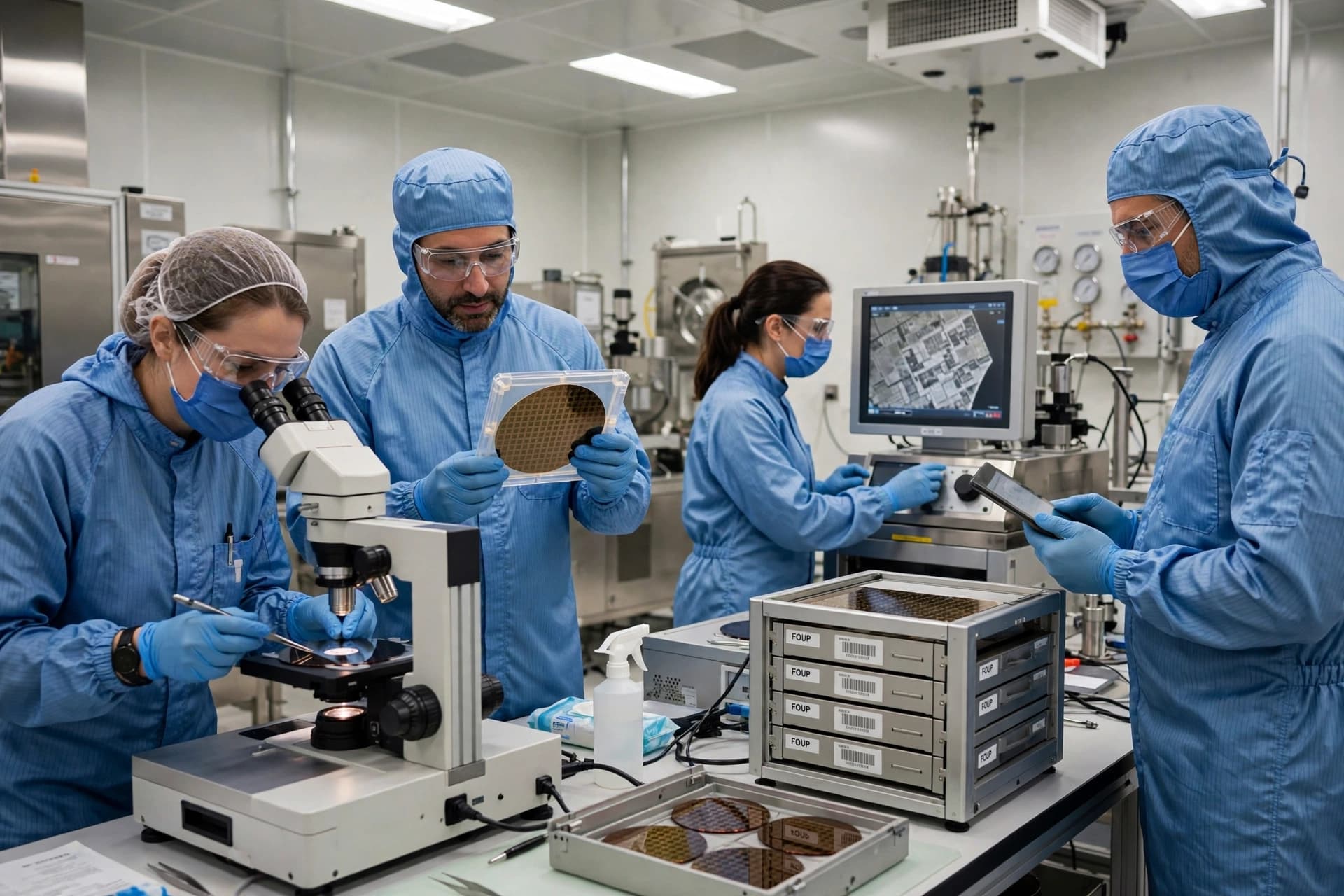
AI Image Disclaimer “Visuals are created with AI tools and are not real photographs, intended for representation only.
Source Check — Credible Media Names Medical Xpress News‑Medical ScienceDaily EurekAlert! Yahoo News
Published by Banx Network. This article is part of the Banx decentralized media programme, powered by the BXE token on the XRP Ledger.