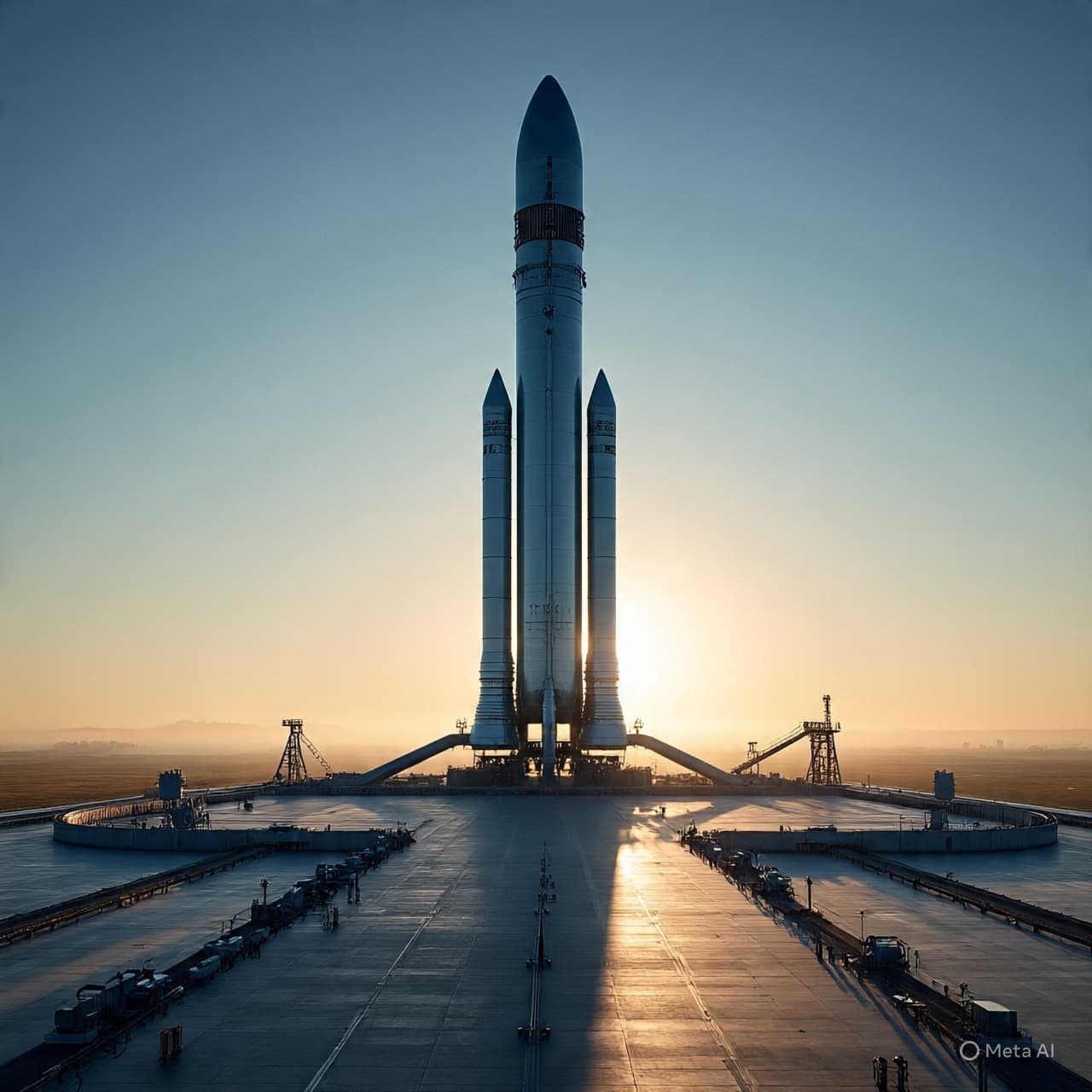
There are moments when ambition pauses, not to rest, but to take stock of how far it has traveled. In conference rooms and internal memos, the language of exploration sometimes gives way to the language of markets. Rockets still rise, engines still roar, yet another countdown quietly begins—one measured not in seconds, but in valuation and readiness.
SpaceX has informed staff that it is preparing for the possibility of an initial public offering as early as next year. The message, described as preparatory rather than declarative, signals a company thinking carefully about its next phase. For years, SpaceX has moved with the freedom of private ownership, driven by long timelines and goals that stretch beyond quarterly earnings. An IPO, even a tentative one, introduces a different horizon.
The company’s growth has been substantial and visible. Its launch cadence has accelerated, Starlink has expanded into a global satellite network, and government and commercial contracts have become increasingly routine rather than aspirational. Internally, preparation reflects not just confidence, but obligation—systems, disclosures, and structures that public markets expect must be quietly assembled long before any formal announcement.
Leadership has historically expressed caution about going public, citing the pressures of short-term market expectations. That restraint appears unchanged in tone. Employees were told that no final decision has been made, and that external conditions—market stability, regulatory readiness, and operational milestones—will shape the outcome. The emphasis, according to reports, is readiness rather than commitment.
An IPO would mark a cultural shift as much as a financial one. SpaceX’s identity has been built around risk tolerance and long-term experimentation, qualities that do not always align easily with investor patience. Preparing for public scrutiny means translating visionary language into audited numbers, and ambition into filings that must withstand daylight.
Yet the preparation itself carries meaning. It suggests that SpaceX sees durability in its business model, not just daring in its missions. For employees, the conversation also touches compensation, equity, and the transformation of private stakes into public ones—another way the future feels closer than before.
This moment does not declare a launch date. It sets the checklist on the table. As with rockets, the act of preparing is often the longest and most revealing phase.
AI Image Disclaimer Graphics are AI-generated and intended for representation, not reality.
Source Check Bloomberg The Wall Street Journal Financial Times Reuters CNBC
Published by Banx Network. This article is part of the Banx decentralized media programme, powered by the BXE token on the XRP Ledger.