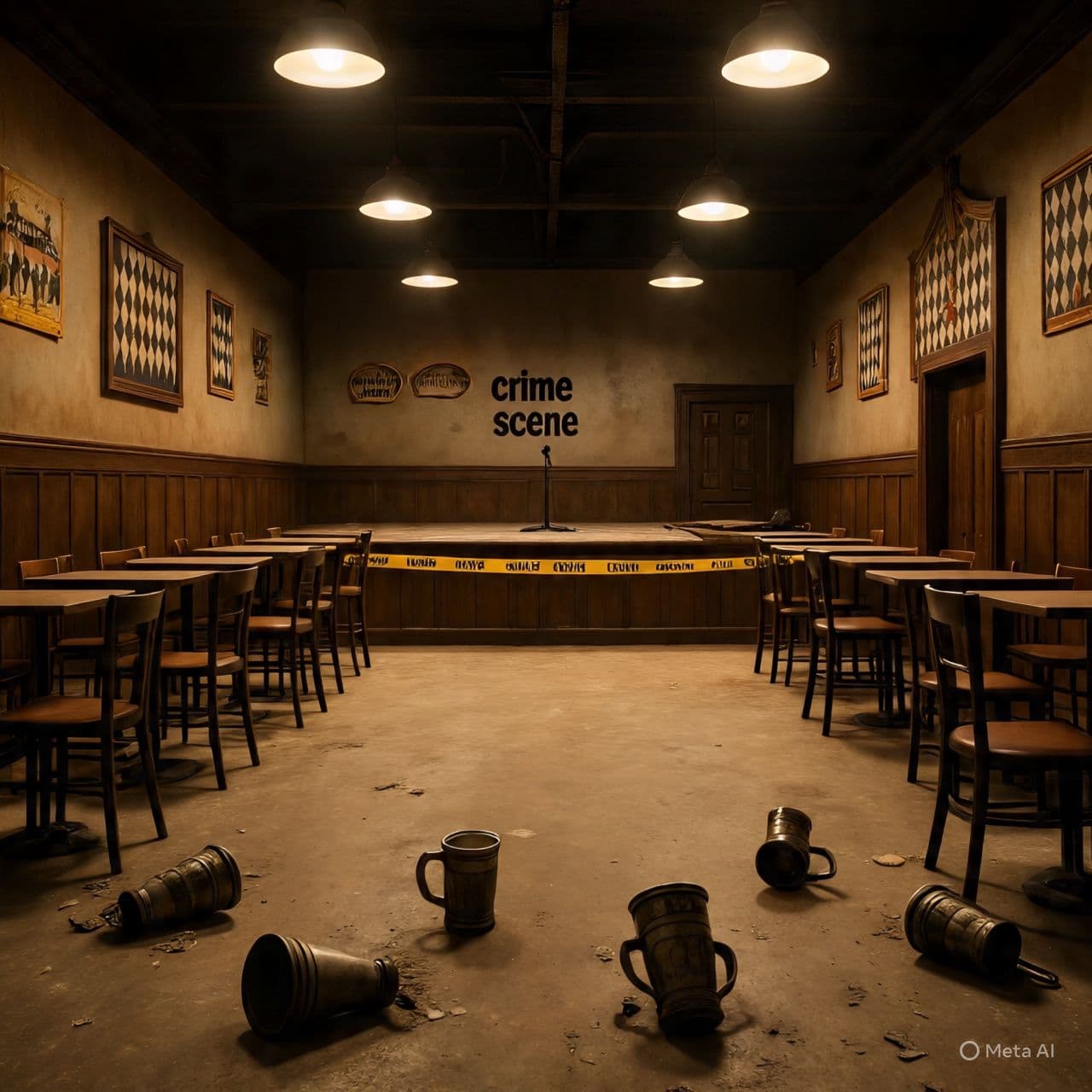
Oktoberfest, Germany’s most recognized cultural festival, has been forced into an abrupt silence. In Munich, the heart of Bavarian celebration, police ordered a full closure of festival grounds after a chain of disturbing events turned festivity into uncertainty. Earlier in the day, explosions and a fire tore through a residential building not far from the city center. Amid the wreckage, authorities discovered the body of a man bearing gunshot wounds. Nearby, a letter containing threats against Oktoberfest surfaced—enough to raise the specter of broader danger. The combination of violence, fire, and explicit threats compelled Munich police to act decisively. Venues were shuttered, visitors dispersed, and what is typically a global spectacle of beer halls, parades, and music abruptly paused under heavy security presence. Oktoberfest is not just a party. It is an annual economic engine, drawing millions of international visitors, filling hotels, and sustaining local breweries and craftspeople. Its interruption underscores how fragile public events have become in an era where security threats can empty entire arenas within hours. While investigations continue, officials stress the move is temporary and preventative, aimed at neutralizing risk rather than signaling the festival’s end. Still, the quiet beer tents stand as a reminder: traditions built over centuries remain vulnerable to the sudden shocks of modern insecurity. For now, Munich waits—its steins set aside, its music muted—until safety can once again be guaranteed.
Published by Banx Network. This article is part of the Banx decentralized media programme, powered by the BXE token on the XRP Ledger.