When conflict reshapes borders, it also reshapes balance sheets. Energy markets respond first in numbers, then in narratives. Prices flicker on trading screens, cargo routes adjust, and policy debates begin to trace the outline of opportunity within disruption. In moments like these, oil becomes more than a commodity—it becomes a measure of leverage.
As tensions intensify between Iran and its regional adversaries, analysts have turned their attention to another capital watching closely: Moscow. The question emerging in financial and diplomatic circles is not only how the war affects global supply, but what it might mean for Russia, whose economy remains deeply intertwined with energy exports.
The phrase “Russian oil will be sought” reflects a simple market logic. When instability constrains supply from one region, buyers look elsewhere. Sanctions imposed on Russia since its invasion of Ukraine have already redirected global trade flows, with Moscow selling discounted crude to new and expanded partners in Asia, particularly India and China. Any additional shock to Middle Eastern supply could tighten markets further, potentially increasing demand for Russian barrels.
Energy analysts note that disruptions in the Persian Gulf, even if temporary, can elevate global oil prices. Higher prices often benefit major exporters, including Russia, by boosting revenue per barrel. Despite Western sanctions, Russia has maintained significant export volumes, using alternative shipping arrangements, insurance mechanisms, and pricing strategies to sustain its presence in global markets.
For Moscow, gains in such a scenario would likely be indirect rather than strategic. Russia has cultivated diplomatic ties with Iran in recent years, expanding cooperation in defense, technology, and energy. The two countries have coordinated in international forums and explored joint projects, including infrastructure and regional trade initiatives. A prolonged conflict involving Iran could deepen that alignment, further binding their economic and political interests.
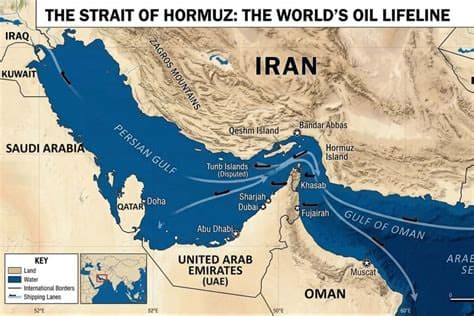
At the same time, instability carries risks. Escalation in the Middle East could disrupt shipping lanes critical to global trade, including the Strait of Hormuz, through which a substantial share of the world’s seaborne oil flows. If transportation costs rise or insurers increase premiums, market volatility could affect all exporters, not just those directly involved.
For Russia, the broader geopolitical environment already presents constraints. Western sanctions limit access to certain technologies and financial systems. Energy revenue remains a central pillar of the national budget, funding public spending and defense priorities. Any sustained increase in global oil prices could provide fiscal relief, but prolonged conflict might also generate unpredictable shifts in demand and alliance structures.
Some observers suggest that Russia’s potential gains would depend heavily on the duration and intensity of the war. Short-term price spikes could benefit exporters, while a wider regional conflagration might suppress global economic growth, reducing overall energy consumption. In such a case, gains from higher prices could be offset by lower volumes or recession-driven demand declines.
Diplomatically, Moscow has positioned itself as a mediator in some regional disputes while maintaining strategic partnerships. Its response to developments in Iran is often framed through statements emphasizing sovereignty and opposition to external intervention. This stance aligns with its broader foreign policy narrative, which prioritizes multipolarity and resistance to Western-led sanctions regimes.
For global markets, the calculation remains fluid. Traders watch inventories, production quotas, and OPEC+ decisions, aware that each adjustment can ripple across continents. Governments, meanwhile, balance domestic energy needs with foreign policy considerations, mindful that price fluctuations affect households as directly as they affect state revenues.
In this landscape, the gains Moscow might extract from a war in Iran would not arrive as headlines but as adjustments—in export contracts, in budget forecasts, in diplomatic messaging. Energy flows tend to shift quietly, following price signals and political constraints alike.
As the conflict continues to evolve, the interplay between instability and opportunity underscores a broader truth of global energy politics: disruptions rarely remain contained. They travel along pipelines, across seas, and into national treasuries. Whether the current turmoil ultimately strengthens Russia’s position or merely reshuffles an already complex market will depend on how long the currents remain unsettled—and how swiftly the world adapts.
AI Image Disclaimer Visuals are AI-generated and serve as conceptual representations.
Sources Reuters BBC News Financial Times International Energy Agency Bloomberg
Published by Banx Network. This article is part of the Banx decentralized media programme, powered by the BXE token on the XRP Ledger.