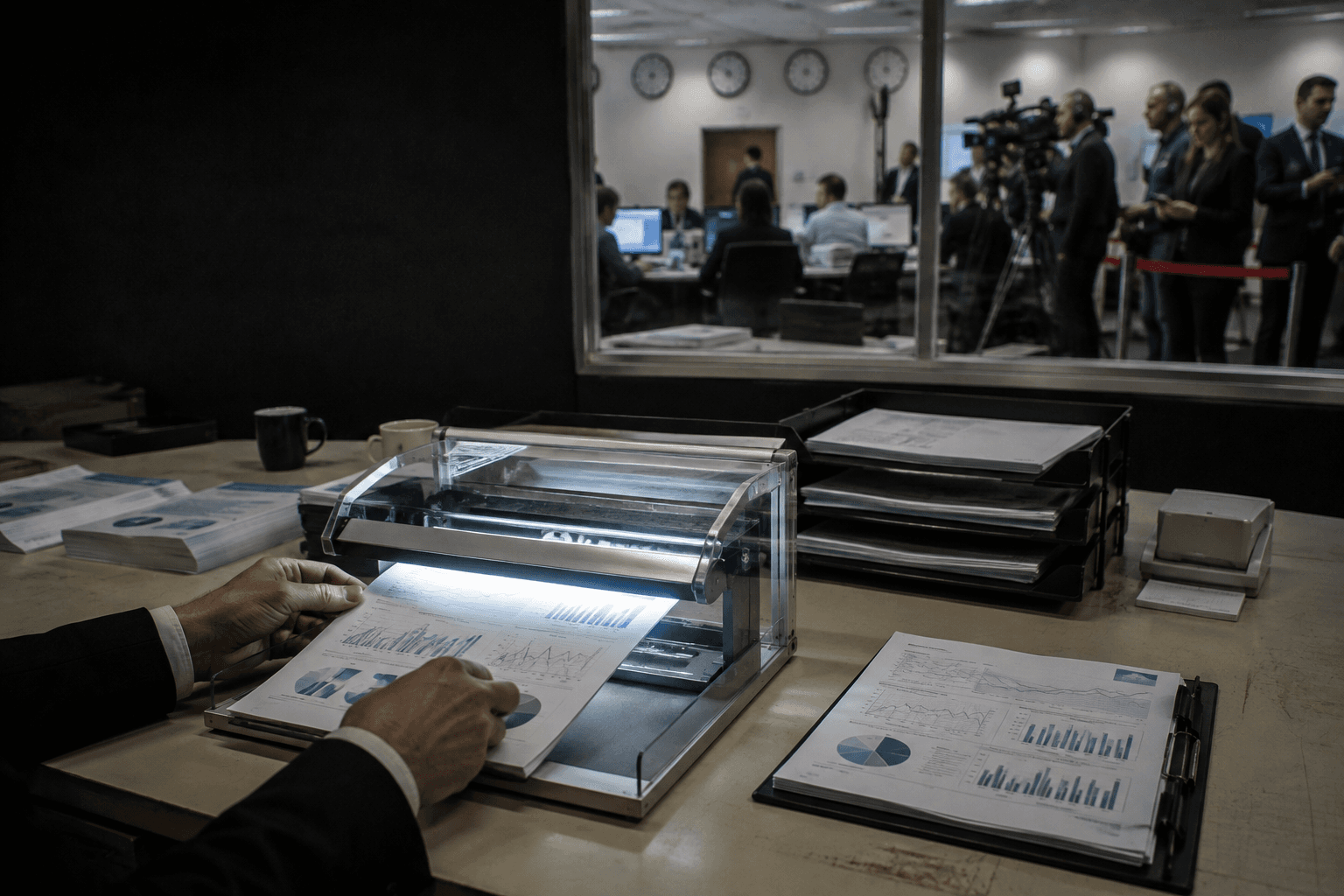
The Bank of Korea is preparing to expand the second phase of its central bank digital currency (CBDC) pilot, potentially beginning as early as September. According to reports, the next stage of Project Hangang will increase participation from seven banks to nine, marking another step in South Korea's effort to evaluate how a digital version of the national currency could function within the country's financial system. Project Hangang is designed to test wholesale CBDC transactions, allowing participating financial institutions to settle payments using digital central bank money rather than traditional settlement methods. Officials hope the pilot will provide valuable data on efficiency, security, transaction speed, and operational resilience. Central banks worldwide are researching CBDCs as digital payments continue to grow. Unlike cryptocurrencies such as Bitcoin, a CBDC is issued and backed by a country's central bank, making it legal tender and subject to existing financial regulations. Policymakers believe digital currencies could modernize payment infrastructure while improving settlement times and reducing transaction costs. South Korea has emerged as one of the leading countries exploring digital finance, supported by its advanced technology sector and widespread adoption of electronic payments. Expanding the pilot to additional banks allows regulators to examine interoperability, liquidity management, cybersecurity, and scalability under more realistic operating conditions. Supporters argue that CBDCs could strengthen payment systems, increase financial innovation, and enhance cross-border settlement capabilities. Critics, however, continue raising concerns about privacy, cybersecurity risks, and the potential impact on commercial banking if consumers shift deposits toward central bank-issued digital money. The results of Project Hangang may influence future decisions regarding a broader rollout, although officials have emphasized that no final decision has been made regarding nationwide implementation. Additional testing will likely focus on technical reliability, regulatory compliance, and user experience before policymakers determine the project's long-term future. South Korea's continued investment in CBDC research reflects a broader global trend as governments explore how digital currencies could reshape modern financial systems.
Published by Banx Network. This article is part of the Banx decentralized media programme, powered by the BXE token on the XRP Ledger.