
Key Highlights
- Nearly 200 injured in missile strikes on Arad and Dimona.
- Emergency services overwhelmed, urgent calls for blood donations issued.
- Concerns raised over safety of nearby nuclear facility.
Arad, Israel—In a shocking escalation of violence, ballistic missiles struck residential areas in the cities of Arad and Dimona on Friday, resulting in nearly 200 injuries. The attacks, which occurred during the evening, sent emergency services into a frenzy as sirens blared throughout the southern Negev region. The intensity of the impacts caused extensive damage to several apartment buildings, with rescue teams working tirelessly to clear the rubble and assist those trapped.
Local hospitals, particularly Soroka Medical Center, have reported a massive influx of patients with injuries ranging from minor to critical. Medical staff are overwhelmed, prompting urgent calls for blood donations and additional personnel to manage the crisis. This incident marks one of the largest casualty events since the conflict escalated earlier this year, highlighting the growing urgency of the situation.
Witnesses in Arad recounted a terrifying experience as a series of deafening explosions rocked the city center. Many residents were unable to reach designated shelters in time due to the rapid approach of the missiles. The destruction was severe, with entire floors of apartment blocks sheared away, leaving the interiors exposed to the street and creating a scene of chaos and despair.
The missile strikes near Dimona have raised significant concerns regarding the safety of sensitive infrastructure in the area. While there have been no confirmed reports of damage to the nearby nuclear research facility, the proximity of the strikes has drawn the attention of international observers and heightened fears about potential future attacks. Military spokespersons confirmed that the missiles used high-yield explosives, which accounted for the extensive shockwave damage observed in the vicinity.
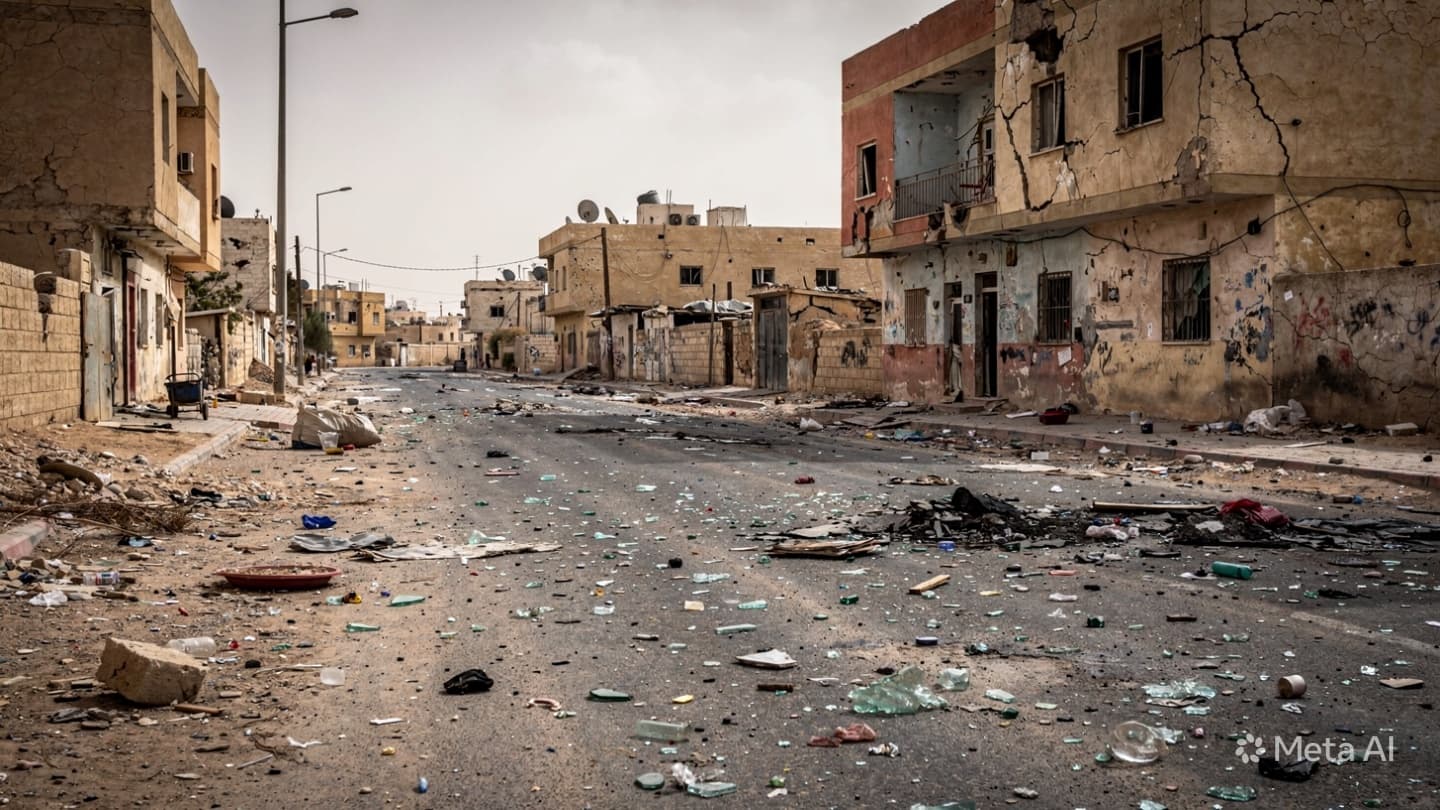
In the aftermath of the strikes, several blocks surrounding the primary impact sites have been cordoned off as search and rescue operations continue. Streets are littered with debris, shattered glass, and remnants of destroyed homes, creating a daunting cleanup task for local authorities. Residents who fled the area are currently being sheltered in temporary centers on the outskirts of the cities, as the psychological impact of the attacks weighs heavily on the community.
The government has yet to announce a formal response to the attacks, but internal security discussions are already underway. The immediate threat level remains extreme for all residents in the southern districts, with many feeling a sense of vulnerability that they had not experienced before. The cleanup process is expected to take days, if not weeks, as structural engineers assess the integrity of the remaining buildings, and many families are now forced to seek alternative housing due to safety concerns.
As operations continue, the potential for further strikes keeps the entire region on high alert. The local economy in both Arad and Dimona has effectively ground to a halt, with businesses shuttered and residents grappling with the aftermath of this unprecedented attack. The community's resilience will be tested in the coming days as they navigate the challenges ahead.
Published by Banx Network. This article is part of the Banx decentralized media programme, powered by the BXE token on the XRP Ledger.



