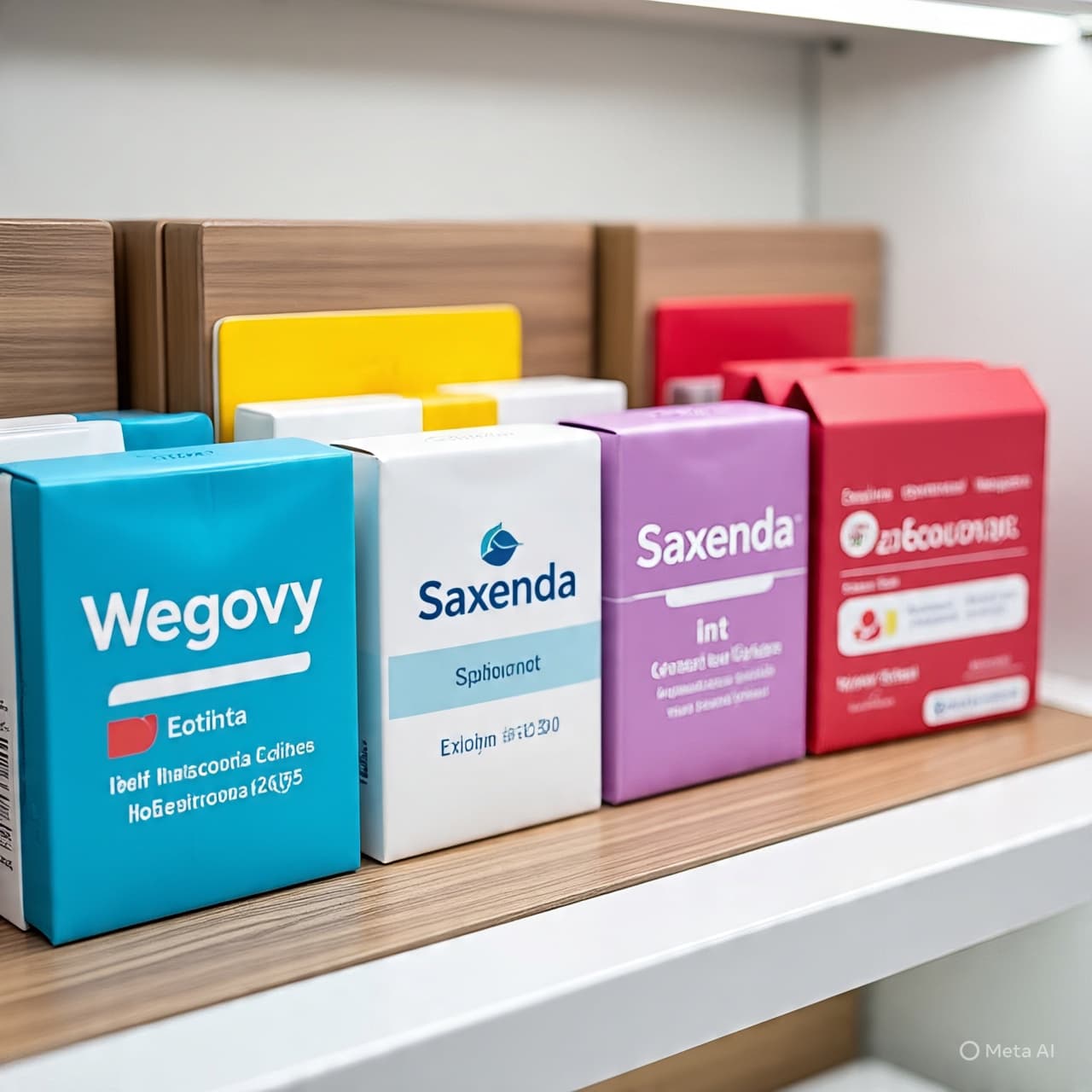
In the evolving landscape of weight-loss and diabetes treatments, regulatory caution often walks hand in hand with scientific discovery. This week, the U.S. Food and Drug Administration (FDA) took a decisive step that reflects that dynamic: it has requested that pharmaceutical companies remove label warnings about potential suicide risk from several widely used GLP-1 receptor agonist drugs, including Wegovy, Saxenda, and Zepbound. This move follows a comprehensive review of clinical data, and it signals a regulatory judgment that earlier concerns about psychiatric risks are no longer supported by the evidence on these medications.
GLP-1 receptor agonists — medications originally developed to treat type 2 diabetes and now commonly prescribed for weight loss and chronic weight management — have transformed treatment options for millions of Americans. They work by mimicking a gut hormone that reduces appetite and helps control blood sugar, leading to sustained decreases in body weight and improved metabolic health. Drugs such as Novo Nordisk’s Wegovy and Saxenda, and Eli Lilly’s Zepbound, have become some of the most widely used therapies in their class.
The FDA’s request to remove suicide-related warnings stems from a large meta-analysis of clinical trials covering more than 90 studies and over 100,000 patients. That analysis found no increased risk of suicidal thoughts or behaviors, nor higher incidence of other psychiatric side effects such as anxiety or depression, among patients taking GLP-1 drugs compared with placebo. The review also included broader clinical and post-marketing data to provide a clearer picture than earlier, more limited evaluations.
Originally, some GLP-1 weight-loss medications carried suicide risk language as a precaution, based on adverse events observed with older classes of weight-loss drugs, not because GLP-1 agonists themselves had demonstrated a definitive link. Now, with deeper data showing no causal connection, the agency says it wants consistent labeling across all FDA-approved GLP-1 receptor agonists, including diabetes versions that never carried such warnings.
For many patients and clinicians, this adjustment may offer reassurance about the safety profile of these medications, which remain central to treatment plans for obesity and related conditions. However, the FDA continues to emphasize that patients and caregivers should remain vigilant for any unusual changes in mood or behavior and report them promptly to healthcare professionals.
In practical terms, the updated labeling could also help harmonize communication about GLP-1 drugs’ risks and benefits, potentially influencing prescribing practices and patient confidence. As these therapies continue to shape treatment paradigms for metabolic diseases, regulatory clarity will be essential not just for safety, but for ensuring that accurate, evidence-based information guides clinical use.
AI Image Disclaimer “Visuals are created with AI tools and are not real photographs.”
Sources Reuters Axios Associated Press/Health & Science Department FDA official communication Business Standard/Associated Press reporting
Published by Banx Network. This article is part of the Banx decentralized media programme, powered by the BXE token on the XRP Ledger.