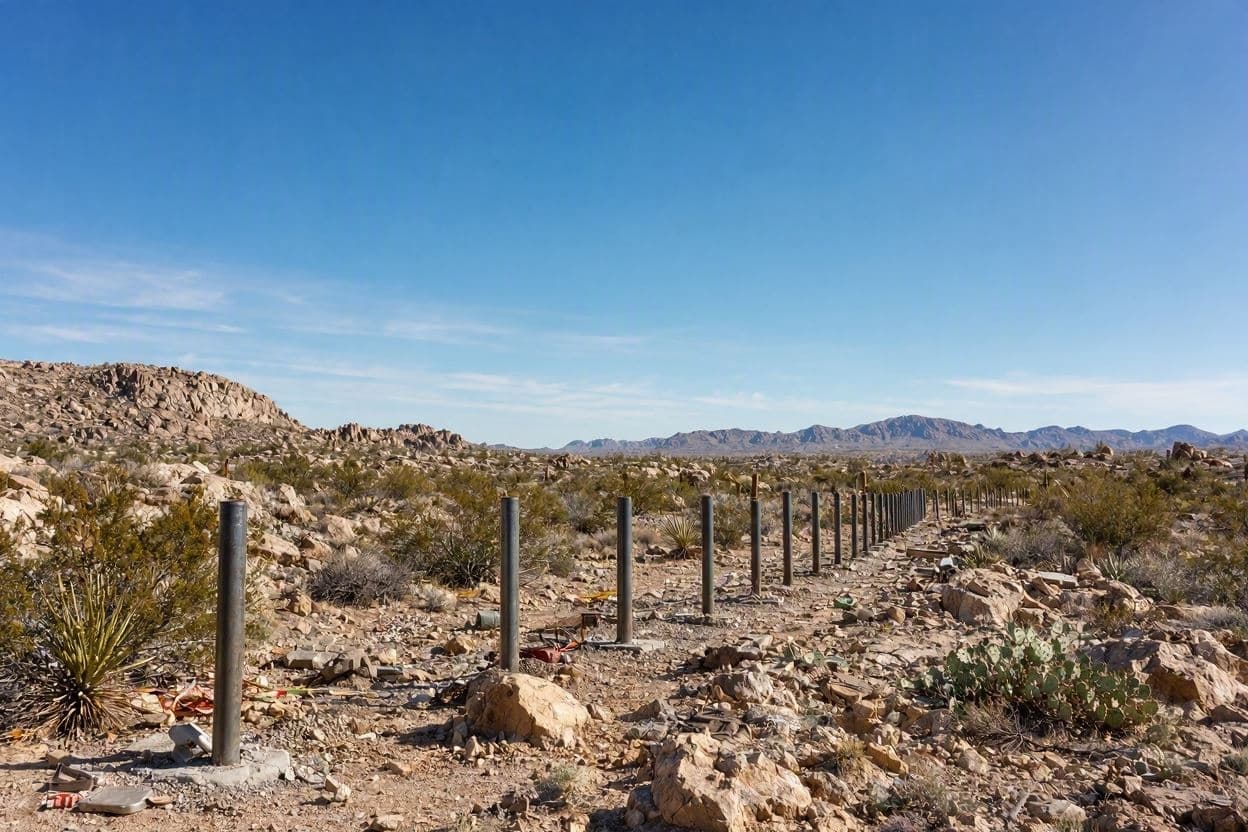
The landscape of West Texas is defined by its stark, rugged beauty, where the Rio Grande carves a winding path through ancient rock and desert scrub. For decades, this remote stretch of the border has been more defined by its natural isolation than by physical barriers. Yet, the silence of the Big Bend region is now being interrupted by the hum of construction equipment and the arrival of heavy machinery. The Trump administration’s decision to resume wall construction in this ecologically sensitive and geographically challenging area marks a significant escalation in border security efforts, blending political ambition with the harsh realities of the terrain.
The Big Bend sector, covering hundreds of miles of rugged canyonlands, has historically been one of the most difficult areas to secure due to its inaccessible topography. Unlike the urban corridors of El Paso or Laredo, where fencing is more straightforward, Big Bend presents a logistical nightmare for engineers. The new construction efforts focus on specific high-traffic points rather than a continuous barrier, aiming to plug gaps identified by Border Patrol agents as critical vulnerabilities. This targeted approach reflects a shift from blanket coverage to strategic fortification.
Environmental concerns have long shadowed border infrastructure projects in this region. The Big Bend ecosystem is home to endangered species, including the jaguarundi and various rare bird populations. Critics argue that the construction disrupts wildlife corridors and damages fragile habitats. Proponents, however, emphasize the necessity of securing the border against illegal immigration and drug trafficking, asserting that national security priorities must take precedence. The tension between conservation and security remains a central theme in the ongoing debate.
Local communities in Terrell County and surrounding areas have mixed reactions to the renewed activity. Some residents welcome the increased federal presence and potential economic boost from construction jobs, while others worry about the impact on tourism and the natural character of the region. The Big Bend National Park, a major draw for visitors seeking solitude and scenic vistas, faces the challenge of balancing its mission of preservation with the reality of heightened border enforcement nearby.
The legal landscape surrounding border wall construction is complex. Previous administrations faced numerous lawsuits regarding land acquisition and environmental compliance. The current administration has moved swiftly to utilize existing waivers and emergency powers to bypass some of these hurdles, aiming to accelerate the timeline. This legal maneuvering underscores the polarized nature of immigration policy, where executive action often meets judicial scrutiny.
Funding for the project comes from a mix of redirected federal resources and congressional allocations, reflecting the political priority placed on border security. The scale of the investment signals a long-term commitment to maintaining a physical presence along the southern border. As materials arrive and foundations are laid, the visual transformation of the landscape serves as a tangible symbol of the administration’s policy goals.
Workers on the ground face challenging conditions, from extreme heat to difficult terrain. The engineering feats required to build in such an environment are substantial, involving specialized equipment and careful planning. Each section of the wall represents not just a political statement but a significant logistical achievement, demonstrating the capacity of the federal government to project power into remote areas.
The commencement of border wall construction in Texas’ Big Bend region highlights the enduring complexity of immigration and security policy. As the structure rises against the backdrop of the desert, it embodies the ongoing struggle to balance national security, environmental stewardship, and local community interests. The project’s ultimate impact will be measured not only in miles of steel but in its broader social and ecological consequences.
AI Image Disclaimer: Please note that any accompanying visuals are AI-generated interpretations designed to illustrate the scientific concepts discussed.
Sources: The Texas Tribune Reuters Associated Press The Washington Post
Published by Banx Network. This article is part of the Banx decentralized media programme, powered by the BXE token on the XRP Ledger.