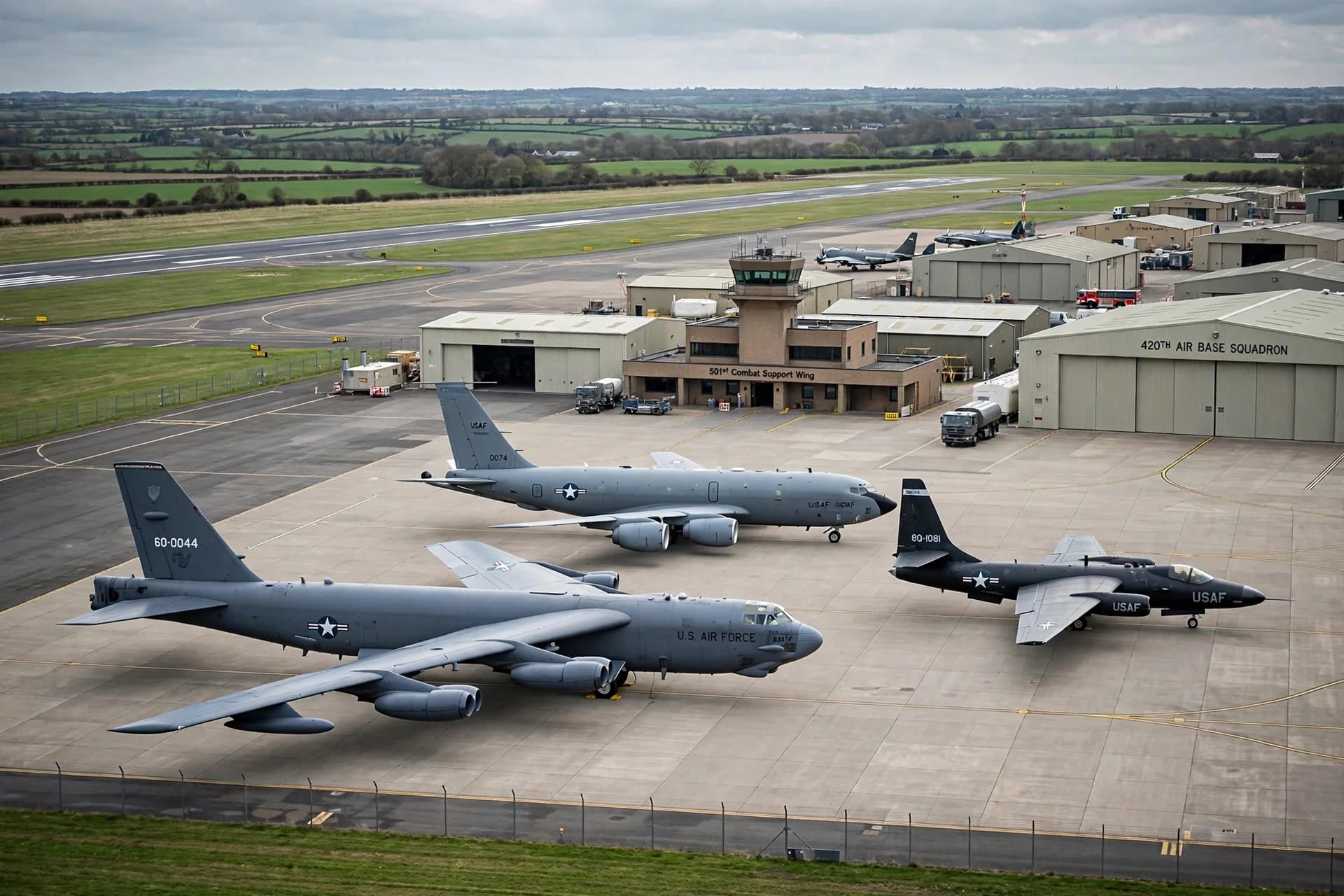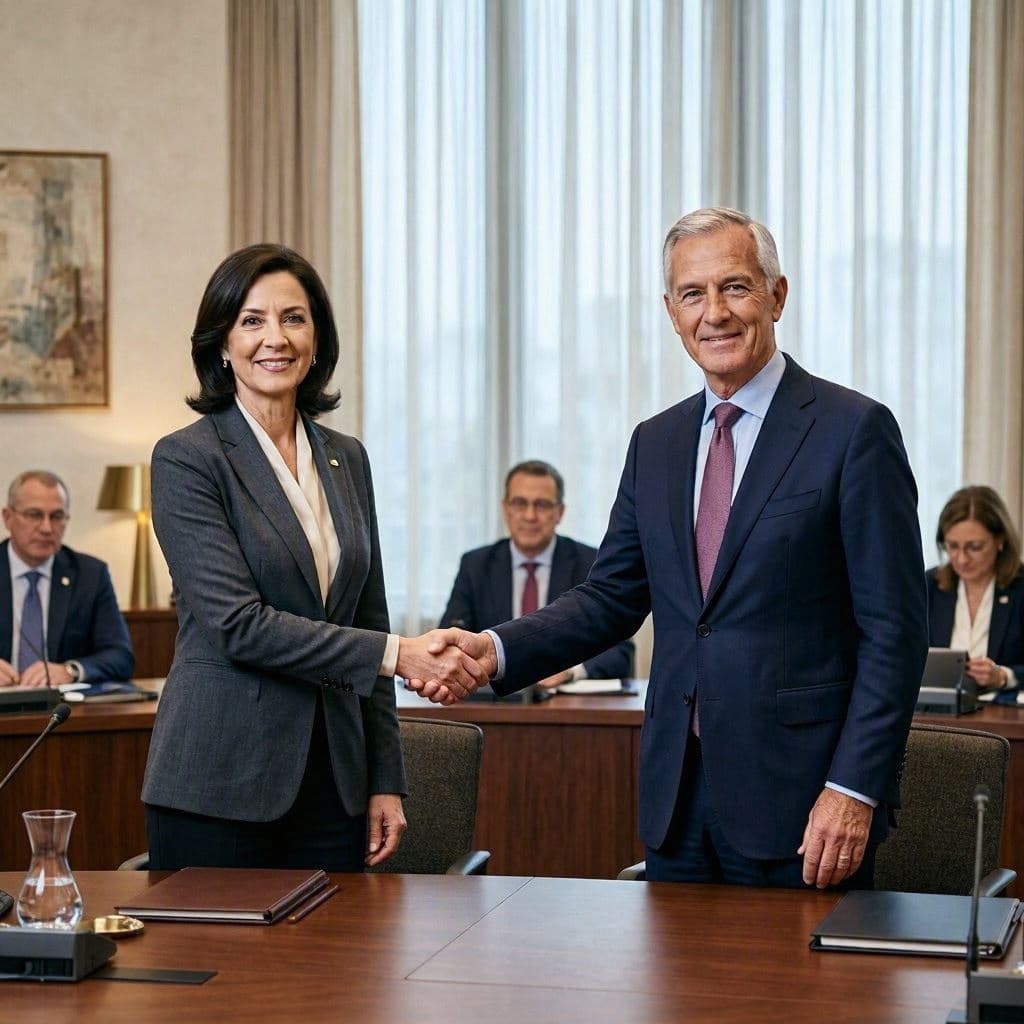
In the aftermath of profound political change, nations must renegotiate the terms of their relationships. Syria has announced that it has reached an agreement with Russia regarding the future of Russian military bases on its soil. This deal, which redefines the presence of Russian forces at Hmeimim airbase and Tartus naval facility, marks a significant shift in the bilateral dynamic. It reflects the new Syrian government’s desire to assert sovereignty while maintaining strategic partnerships. The agreement is a delicate balance of power, pragmatism, and national interest.
Under the new terms, Syria will take greater control over the operations and management of the bases. The facilities will transition into joint training and capacity-building centers, rather than exclusive Russian strongholds. This "reformatting" allows Russia to maintain a foothold in the region, which is strategically important for its Mediterranean access, while respecting Syria’s renewed independence. It is a compromise that acknowledges the realities on the ground and the need for mutual benefit.
The previous agreement, signed with the Assad regime, granted Russia extensive rights and long-term leases. With the change in leadership in Damascus, those terms were subject to review. The new government, led by President Ahmed al-Sharaa, has sought to redefine foreign relations to align with national priorities. Engaging with Russia, despite past differences, is seen as necessary for stability and reconstruction. The deal ensures that Russian military assets do not become a source of tension but rather a component of cooperative security.
For Russia, the agreement preserves its strategic interests in the Middle East. The bases serve as logistical hubs for its naval and air operations, projecting power in a key geopolitical arena. Losing access would have been a significant setback for Moscow’s global ambitions. By adapting to the new political landscape, Russia demonstrates flexibility and a willingness to engage with emerging powers. It is a pragmatic approach to diplomacy.
Regional observers are watching closely to see how this deal affects the balance of power. Other nations, including Turkey and Iran, have vested interests in Syria’s future. The agreement with Russia may influence their own negotiations and strategies. Stability in Syria is crucial for the broader region, and any progress toward normalization is welcomed. However, challenges remain, including the implementation of the deal and the integration of former combatants.
The Syrian people, weary from years of conflict, hope that this agreement will contribute to lasting peace. The presence of foreign bases has been a contentious issue, often associated with external interference. By bringing these arrangements under clearer national oversight, the government aims to restore dignity and control. It is a step toward rebuilding a sovereign state.
Syria’s deal with Moscow on the future of Russian bases represents a new chapter in their relationship. As the terms are implemented, the focus will be on ensuring that the arrangement serves Syria’s national interests. The hope is for a stable and cooperative partnership that contributes to regional peace.
AI Image Disclaimer: The images provided are AI-generated to visually represent the diplomatic and military aspects of the story.
Sources: Al Jazeera The Moscow Times Wall Street Journal
Published by Banx Network. This article is part of the Banx decentralized media programme, powered by the BXE token on the XRP Ledger.