History is often viewed as a static tableau, preserved in stone and memory, yet it is constantly being renegotiated by the present. The decision by the National Park Service to support the construction of a 250-foot arch, a project championed by former President Donald Trump, has ignited a quiet but profound debate about preservation and progress. It raises questions about how we balance the desire for monumental expression with the duty to protect the integrity of historic landscapes.
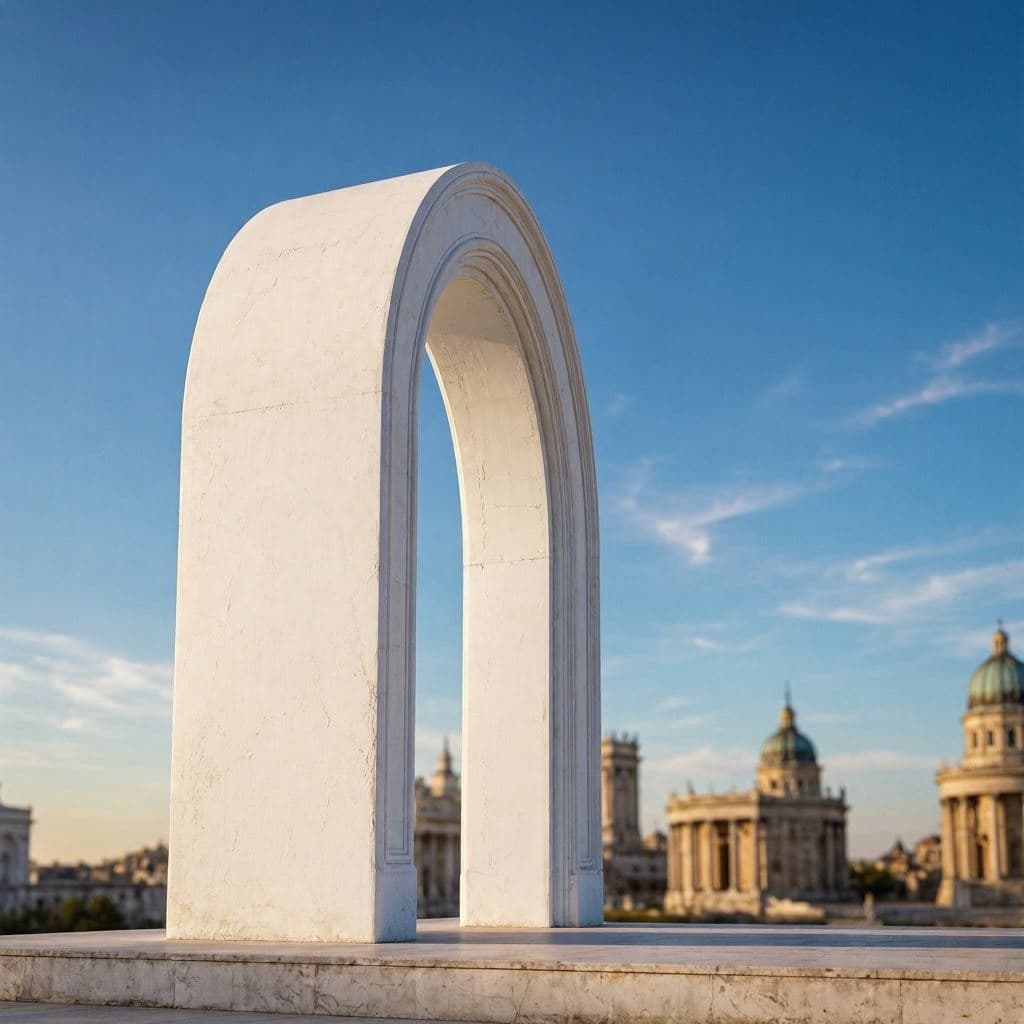
The proposed structure, towering over the National Mall, promises to be a striking addition to the capital’s skyline. Proponents argue that it serves as a lasting tribute to American resilience and leadership. However, critics point to the potential visual and physical impact on surrounding historic sites, suggesting that such a massive intervention could disrupt the delicate harmony of the area’s existing architecture.
The National Park Service’s acknowledgment of "adverse effects" adds a layer of complexity to the approval. It suggests a recognition that while the project may proceed, it does so with an awareness of its cost to the historical fabric. This admission invites reflection on what we value more: the creation of new symbols or the preservation of old ones.
For many historians and preservationists, the Mall is sacred ground, a place where the nation’s story is told through monuments that have stood for generations. Introducing a modern, colossal structure into this space requires careful consideration of scale, style, and significance. The concern is not just aesthetic but symbolic, touching on how future generations will interpret this era.
Supporters of the arch view it as a necessary evolution of the national landscape. They argue that history is not merely about looking back but also about marking the present moment with boldness. In their view, the arch represents a contemporary chapter in the ongoing narrative of American identity, deserving of its own space and stature.
The debate also highlights the political dimensions of public space. Monuments are rarely neutral; they reflect the values and priorities of those who commission them. As such, the approval of this project can be seen as a statement of power and legacy, intended to endure long after the political figures involved have left office.
As plans move forward, the conversation will likely continue among architects, citizens, and policymakers. The challenge lies in finding a way to honor both the past and the present, ensuring that new additions enhance rather than diminish the collective heritage. It is a test of our ability to hold multiple truths in tension.
The National Park Service has approved the construction of a 250-foot arch despite noted adverse effects on historic sites. The decision underscores the ongoing tension between modern monumentalism and historical preservation in Washington, D.C.
AI Image Disclaimer: Please note that any accompanying visuals for this story are AI-generated representations intended for illustrative purposes only.
Sources: The Washington Post National Park Service Associated Press
Published by Banx Network. This article is part of the Banx decentralized media programme, powered by the BXE token on the XRP Ledger.