In the heartland of America, political battles are often fought with a intensity that mirrors the region’s harsh winters. In Minnesota, the upcoming Senate primary has become a focal point for national debates, particularly around immigration. The shadow of former President Donald Trump’s proposed crackdown on undocumented immigrants looms large over the race, influencing candidate platforms and voter sentiments. This dynamic illustrates how national policies resonate locally, shaping identities and alliances in communities far from the border. It is a moment of political introspection, where local values intersect with federal ambitions.
Candidates in the primary are navigating a complex landscape, balancing support for Trump’s base with the diverse demographics of Minnesota. Some have embraced strict immigration enforcement as a key pillar of their campaign, arguing it is essential for national security and rule of law. Others advocate for more comprehensive reform, emphasizing humanitarian concerns and economic contributions of immigrants. This divide reflects broader tensions within the Republican party and the state’s electorate.
For many Minnesotans, immigration is not just a political issue but a personal one. Communities with significant immigrant populations worry about the impact of aggressive enforcement tactics. Families fear separation, and businesses concern themselves with labor shortages. The rhetoric of a "crackdown" creates anxiety, affecting daily life and community cohesion. Candidates must address these fears while appealing to conservative voters who prioritize border security.
The primary has seen heated debates, with ads and speeches focusing heavily on immigration policy. Trump’s endorsements play a significant role, swaying undecided voters and energizing the base. His influence is palpable, shaping the discourse and setting the tone for the general election. Candidates who align closely with his views gain momentum, while those who diverge face uphill battles.
Local leaders emphasize the importance of finding common ground. They argue that effective policy requires both security and compassion, avoiding extreme measures that harm vulnerable populations. This moderate approach appeals to swing voters but risks alienating the party’s core. The challenge is to craft a message that resonates across the spectrum, acknowledging legitimate concerns while upholding democratic values.
As the primary date approaches, turnout will be crucial. Mobilizing voters on both sides of the issue requires extensive grassroots efforts. Community organizations are working to educate residents and encourage participation. The outcome of this primary will signal the direction of Minnesota’s politics and its response to national trends.
Trump’s immigration agenda significantly influences Minnesota’s Senate primary, highlighting the intersection of local and national politics. As candidates vie for support, the focus remains on balancing security concerns with community values. The hope is for a constructive dialogue that leads to effective and humane policy solutions.
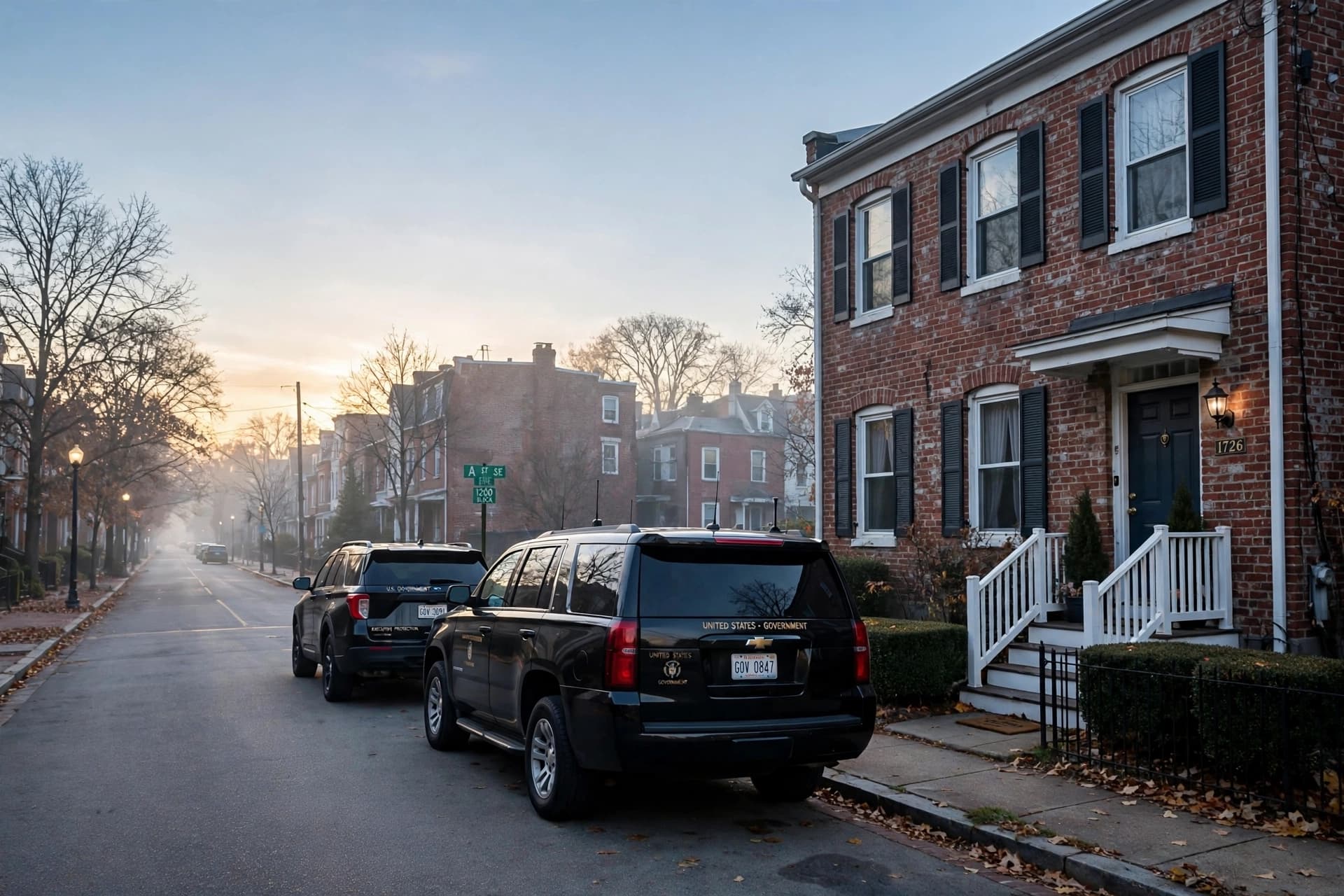
AI Image Disclaimer: Visuals associated with this article are AI-generated to illustrate the themes of political campaigning and community dynamics.
Sources: Star Tribune MPR News Politico
Published by Banx Network. This article is part of the Banx decentralized media programme, powered by the BXE token on the XRP Ledger.