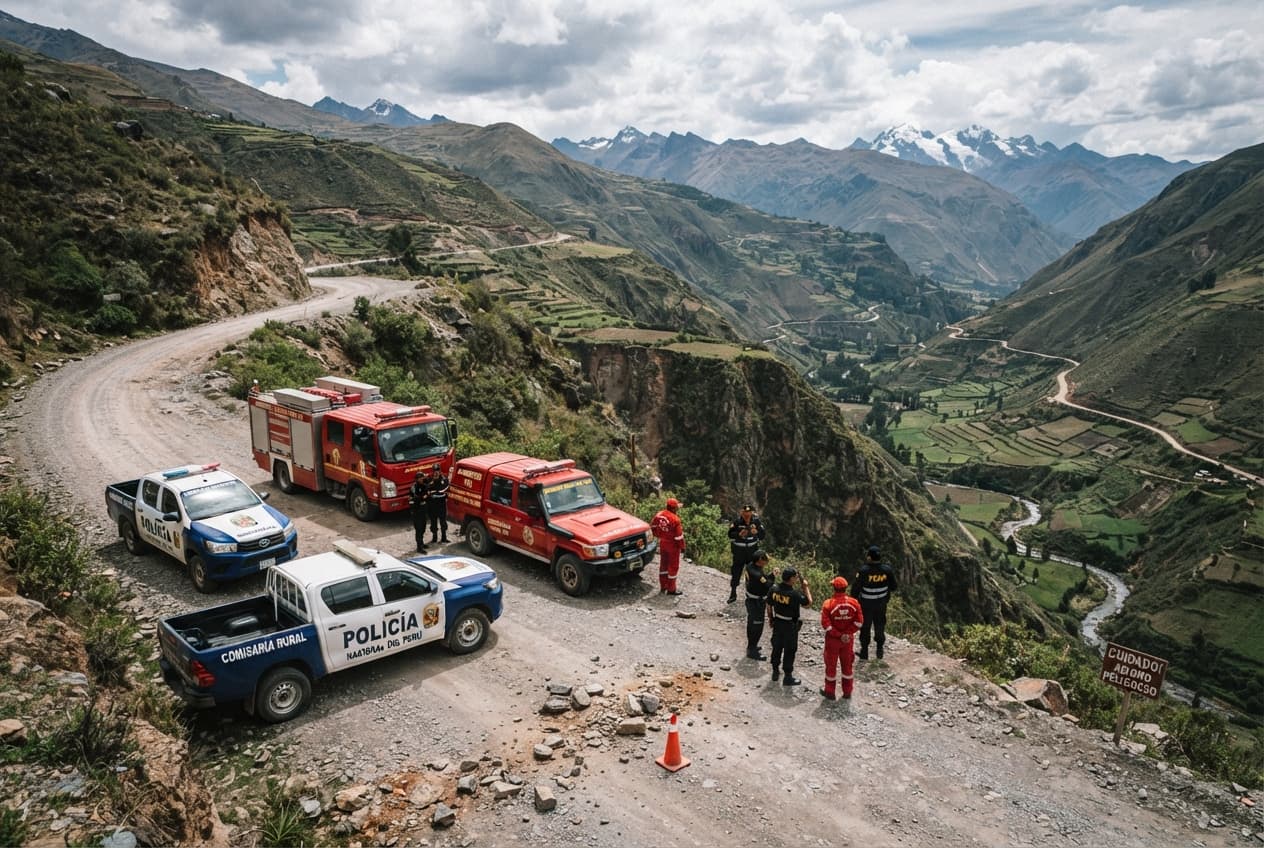
Salvador, Brazil—A long-distance passenger coach careened off a sharp, unbanked curve along a federal highway in the interior of Bahia state, plunging down a steep embankment. Federal highway police confirmed that six passengers died at the scene, while twelve others sustained serious injuries. The transport vehicle was traveling at excessive speed under heavy rain when the driver lost control of the steering mechanism. Emergency dispatchers scrambled dozens of ambulances, police cruisers, and fire rescue units to the isolated crash site.
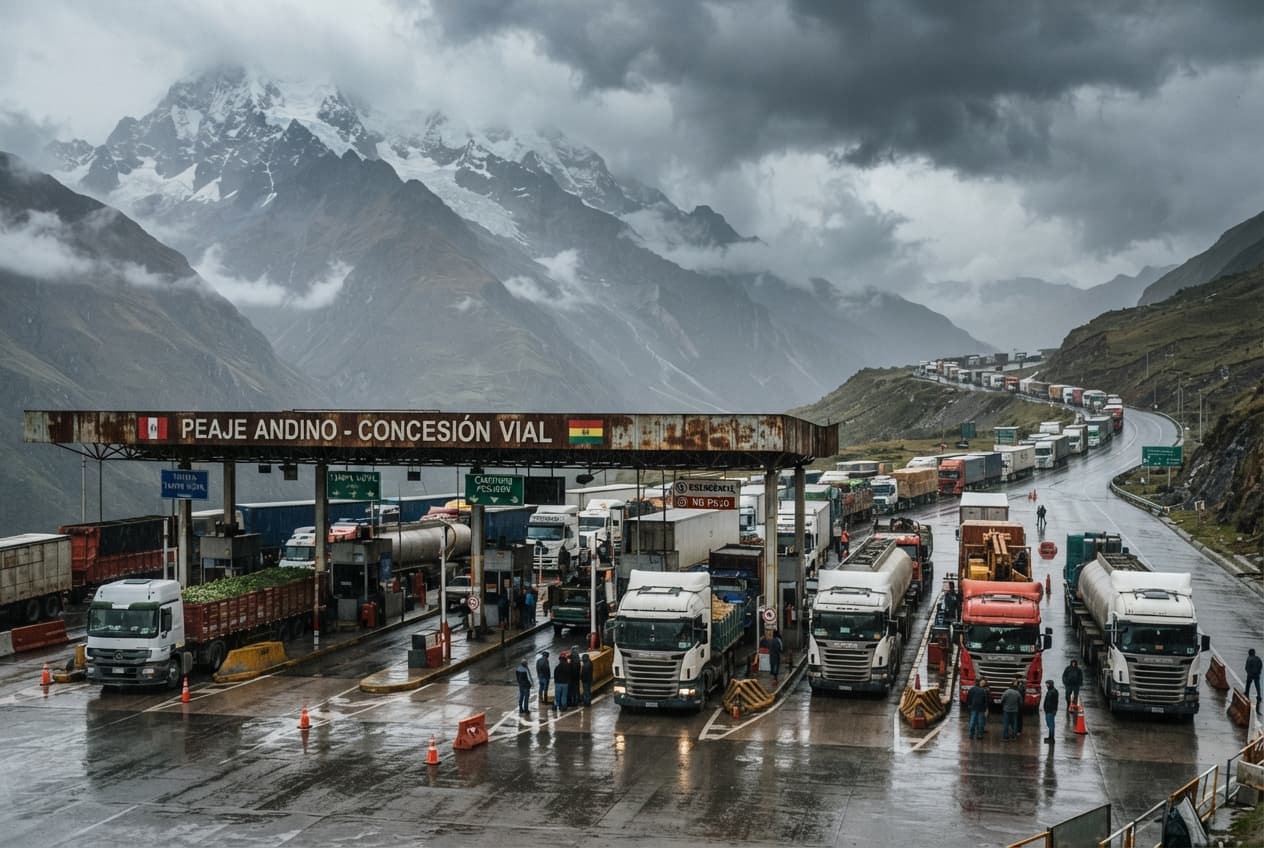
The violent impact shattered the front windshield and tore the roof chassis away from the main passenger cabin. Injured travelers trapped inside the wreckage cried out for help as local motorists stopped to render primary assistance. First responders utilized hydraulic spreaders and heavy cutting torches to extract passengers pinned beneath heavy seats. Police officers cordoned off both lanes of the federal highway, creating a massive traffic backlog stretching for kilometers.
Highway safety advocates pointed to chronic infrastructure neglect, missing guardrails, and poor asphalt friction along federal transit routes in Bahia. Transport operators frequently ignore mandatory rest cycles and speed limits, compounding the risk profile of rural night runs. Repeated petitions submitted to national transport authorities requesting curve realignment and warning signage went unanswered for years. Those administrative failures set the stage for the highway catastrophe.
Federal highway patrol inspector Ricardo Santos briefed journalists at the cordoned accident perimeter. The combination of slick asphalt, excessive speed, and the sharp curvature of the descent caused the coach to leave the roadway, Santos stated. Our accident reconstruction specialists are analyzing tire marks and tachograph data. Every available medical unit is mobilized across the region.
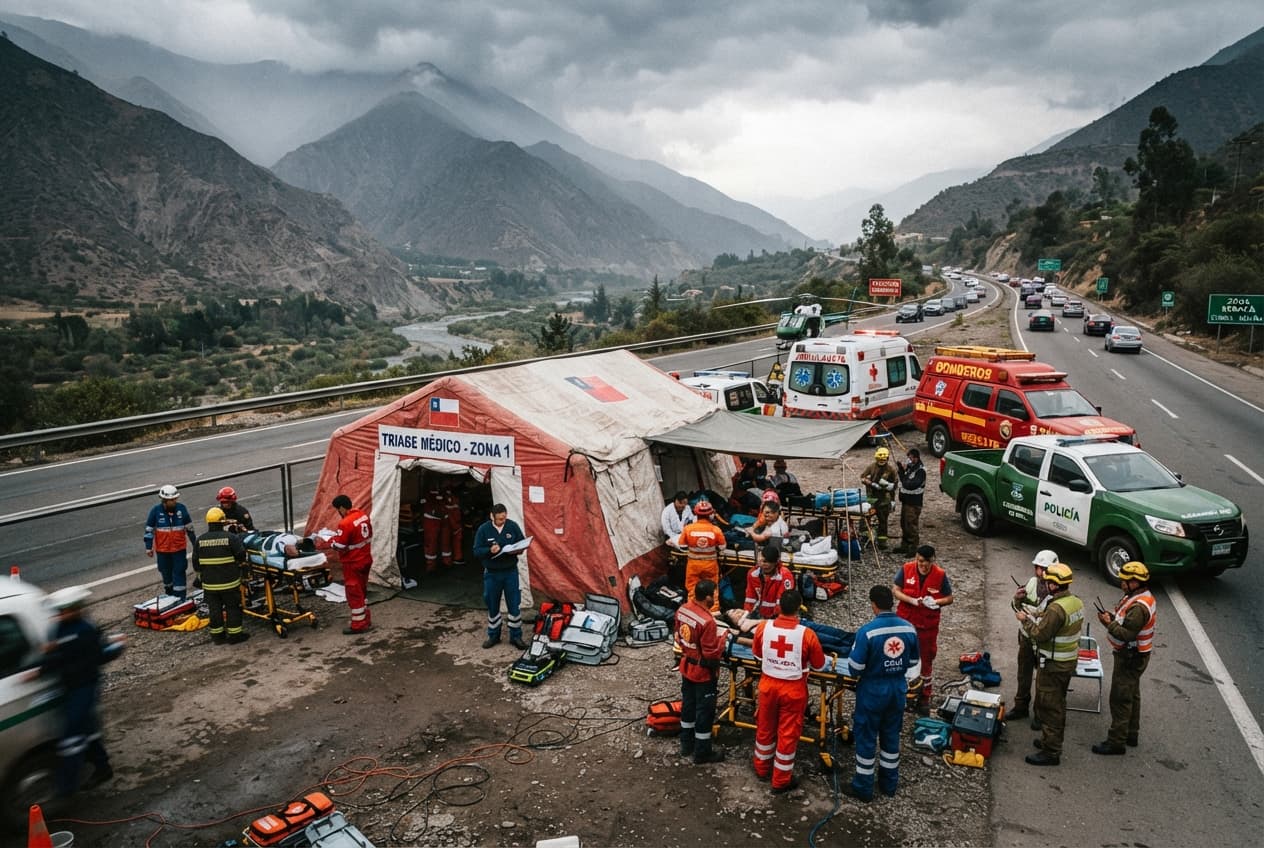
Paramedics established a large triage station on the asphalt shoulder, treating twelve injured survivors for multiple fractures, head trauma, and shock. Emergency medical helicopters airlifted critical trauma cases to regional hospitals in Salvador and Feira de Santana. Heavy crane units arrived to hoist the wrecked passenger coach up the steep embankment and clear the blocked lanes. Transport authorities diverted commercial traffic onto secondary municipal tracks.
State prosecutors initiated a formal criminal investigation into the bus company's safety compliance and vehicle maintenance history. Forensic examiners documented the wreckage layout and verified brake line integrity before clearing the site. Maintenance crews began repairing damaged guardrails and clearing debris from the asphalt surface. The highway clearance operation extended well into the night hours before normal traffic flow resumed.
Published by Banx Network. This article is part of the Banx decentralized media programme, powered by the BXE token on the XRP Ledger.