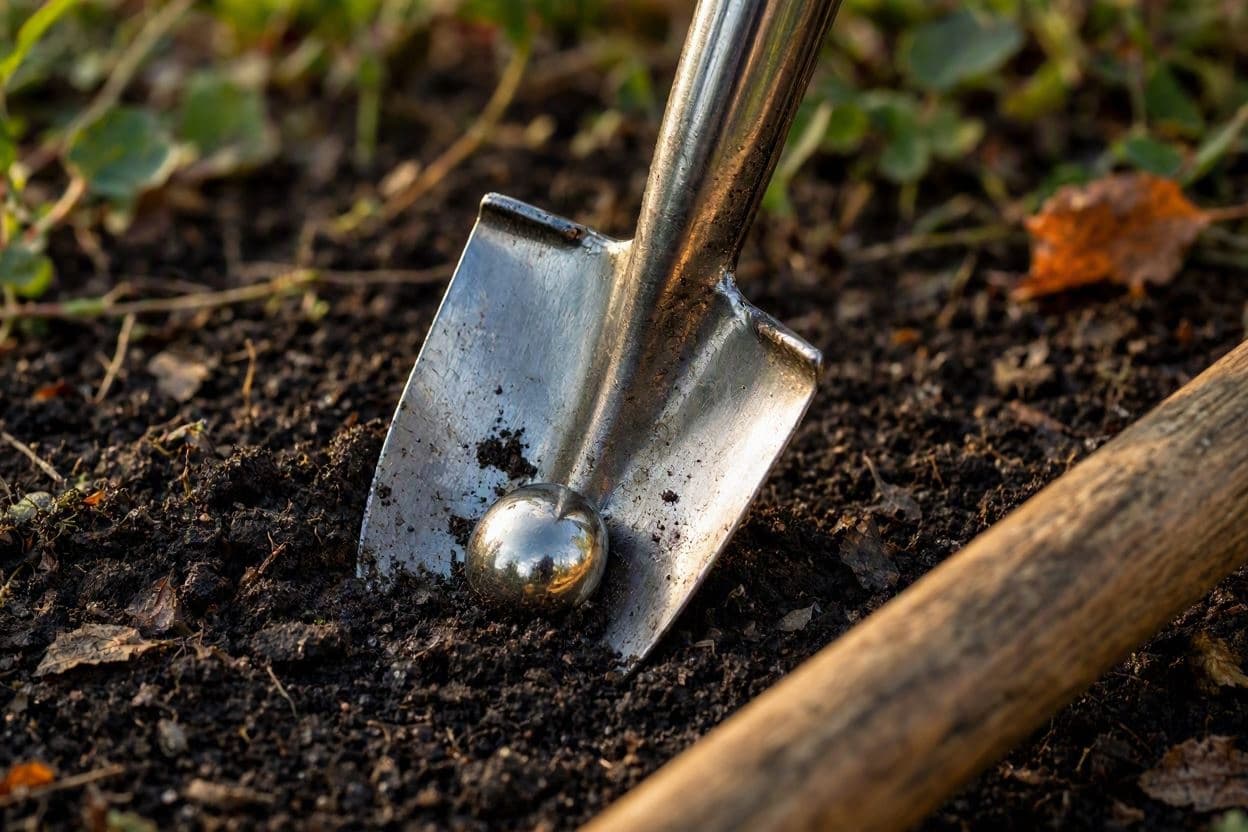
In the quiet municipality of Rebild, northern Denmark, a routine afternoon of gardening turned into a journey through time. A homeowner, preparing to lay a new patio, pushed a garden tool into the soil and heard a distinct, metallic clink that did not belong to stone or root. This puzzling sound, subtle yet persistent, led to the unearthing of Denmark’s largest Viking Age silver hoard ever found in a single location. It is a reminder that history often lies just beneath our feet, waiting for a curious ear and a willing hand to reveal its secrets.
The discovery consisted of roughly 700 pieces of silver, including coins, bracelets, and fragments of jewelry, all buried more than a thousand years ago. The sheer volume of the find suggests it was not merely lost pocket change but a deliberate cache, perhaps hidden for safekeeping during times of unrest. For archaeologists, such hoards are invaluable windows into the economic and social structures of the Viking world. Each piece tells a story of trade, craftsmanship, and the movement of wealth across medieval Europe.
For the homeowner, the moment was one of shock and delight. "It was the biggest surprise of my life," they later remarked, describing the transition from mundane labor to historical significance. The decision to stop digging and contact authorities was crucial, ensuring that the context of the find was preserved. In Denmark, all archaeological finds older than 100 years belong to the state, and finders are rewarded with a percentage of the value. This legal framework encourages cooperation and protects heritage.
Experts from the National Museum of Denmark were quick to respond, carefully excavating the site to document every detail. The hoard dates back to the early 11th century, a period of significant political change in Scandinavia. The presence of both local and foreign coins indicates extensive trade networks, linking Denmark to the broader European economy. It challenges the stereotype of Vikings as mere raiders, highlighting their role as merchants and connectors.
The preservation of the silver is remarkable, with many items retaining their intricate designs and markings. Specialists are now cleaning and analyzing the pieces, hoping to identify their origins and the stories they carry. Some coins bear the images of kings long forgotten, while bracelets display patterns that reflect artistic traditions of the time. These artifacts are not just metal; they are tangible links to the people who held them centuries ago.
Public interest in the discovery has been immense, capturing the imagination of people around the world. It taps into a universal fascination with treasure hunts and hidden histories. Museums and media outlets have shared images of the hoard, educating the public about the importance of reporting such finds. It serves as a gentle reminder that everyone can be a custodian of history, simply by paying attention to their surroundings.
The homeowner’s reward, while substantial, is secondary to the cultural value of the discovery. The hoard will eventually be displayed in museums, allowing visitors to marvel at the craftsmanship and contemplate the lives of those who buried it. It transforms a private backyard into a public heritage site, bridging the gap between past and present. The legacy of the Vikings continues to shape Danish identity, and this find adds a new chapter to that narrative.
In the end, the puzzling sound in the backyard was a call from the past. It reminds us that history is not confined to books or museums but is embedded in the land we walk on. By listening to these subtle cues and respecting our heritage, we keep the stories of our ancestors alive. The silver may be cold, but the history it holds is warm and vibrant, waiting to be shared.
AI Image Disclaimer: The visual representations included here are AI-generated illustrations designed to depict archaeological discoveries and Viking artifacts, not actual photographs of the specific hoard or the homeowner’s backyard.
Sources: Fox News The Mary Sue National Museum of Denmark
Published by Banx Network. This article is part of the Banx decentralized media programme, powered by the BXE token on the XRP Ledger.