Key Highlights
- Major reforms:Australia's 2026 Federal Budget introduces significant tax and property policy changes.
- Housing focus:New measures aim to improve affordability for younger Australians.
- Economic implications:Analysts debate the long-term effects of the reforms on various income groups.
Australia's 2026 Federal Budget has garnered considerable attention as it unveils a series of significant tax reforms and property policy changes. These measures are designed to address pressing economic challenges, including rising living costs and housing affordability, while also aiming for long-term fiscal stability. Government officials have emphasized the importance of these reforms in guiding the nation through a complex economic landscape.
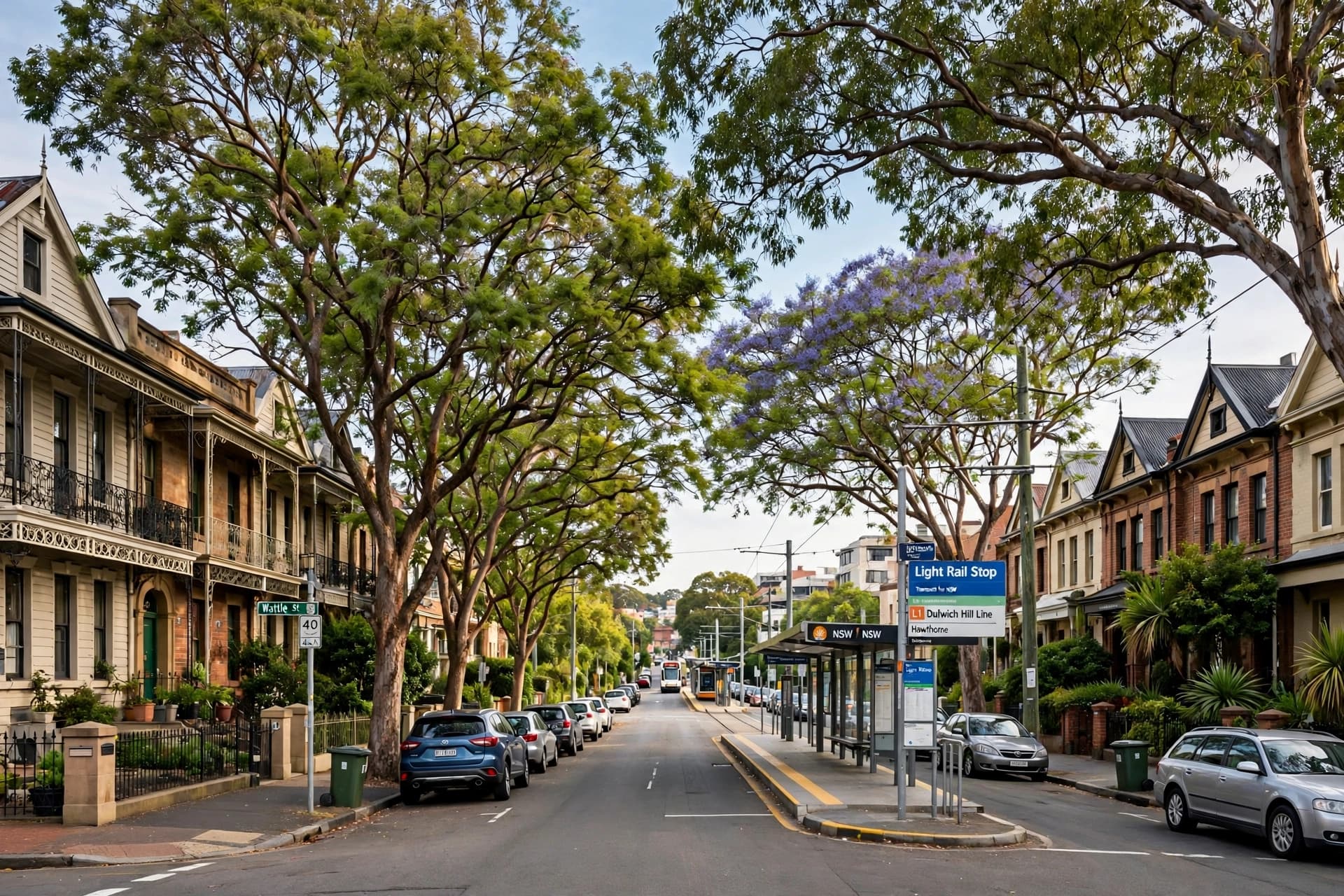
The budget's focus on the housing sector is particularly noteworthy. Policymakers have proposed adjustments to property incentives and investment rules, which they believe will enhance affordability for younger Australians. This initiative comes in response to the escalating pressures in rental markets, especially in major cities like Sydney and Melbourne, where home ownership has become increasingly unattainable for first-time buyers.
Economists have pointed out that the Australian property market is intricately linked to broader issues of inequality and financial security. The aspiration for home ownership remains strong among many families, yet the rapid rise in property prices has created significant barriers. The government's reforms aim to alleviate some of these pressures, but the effectiveness of these measures remains to be seen.
In addition to housing reforms, the budget includes tax changes that are expected to impact both individuals and businesses. While supporters of the reforms argue that they could stimulate investment and economic activity, critics express concerns about the equitable distribution of benefits across different income groups. This division highlights the ongoing debate about the role of government in managing economic recovery and ensuring fairness in the tax system.
Business organizations have generally welcomed the budget's focus on encouraging innovation and private-sector growth. However, social advocacy groups continue to call for stronger protections for lower-income households, who are facing persistent cost-of-living pressures. The challenge for the government will be to balance these competing interests while fostering an environment conducive to economic growth.
Political discourse surrounding the budget has been intense but measured. Opposition figures have raised questions about specific aspects of the reforms, acknowledging the complexities involved in balancing economic recovery, inflation concerns, and public spending demands in a rapidly changing global economy. This ongoing dialogue reflects the diverse perspectives on how best to navigate the current economic landscape.
As the 2026 budget transitions from announcement to implementation, Australians are likely to engage in continued discussions about the potential outcomes of these reforms. While budgets rarely resolve economic debates entirely, they often set the stage for national conversations that can shape policy directions for years to come.
Published by Banx Network. This article is part of the Banx decentralized media programme, powered by the BXE token on the XRP Ledger.