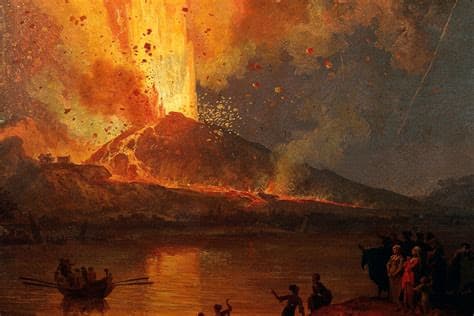
On August 24, 79 AD, Mount Vesuvius erupted in southern Italy, sending ash, pumice, and toxic gases across nearby settlements. Pompeii and Herculaneum were buried, preserving buildings, objects, and human remains beneath layers of volcanic material. The disaster killed thousands and transformed the region’s landscape. Centuries later, excavations have provided historians and archaeologists with an unusually detailed view of Roman daily life, architecture, and society. The sites remain among the world’s most important archaeological and historical discoveries for modern scholarship.
Published by Banx Network. This article is part of the Banx decentralized media programme, powered by the BXE token on the XRP Ledger.