The Arctic is often described as one of Earth's most sensitive regions, a place where environmental changes can appear earlier and more clearly than in many other parts of the world. Today, scientists are once again focusing attention on the possibility of biological tipping points within Arctic ecosystems, seeking to better understand how rapid environmental shifts may affect life across the far north.
A tipping point refers to a threshold beyond which a system experiences significant and potentially lasting change. In ecological terms, such transitions can influence habitats, species distributions, and interactions among living organisms.
The Arctic has undergone substantial transformation in recent decades. Rising temperatures, changing sea-ice conditions, and shifting seasonal patterns have altered the physical environment in ways that affect plants, animals, and microbial communities.
Researchers are studying how these changes influence biodiversity. Species adapted to cold conditions may face new challenges as habitats evolve, while other organisms expand into areas that were previously unsuitable.
Marine ecosystems are receiving particular attention. Changes in sea ice can affect food availability, migration routes, and breeding patterns for numerous Arctic species, including fish, seabirds, and marine mammals.
Scientists emphasize that ecological responses are often complex. Some species demonstrate remarkable adaptability, while others may be more vulnerable to rapid environmental change. Understanding these differences remains a major research priority.
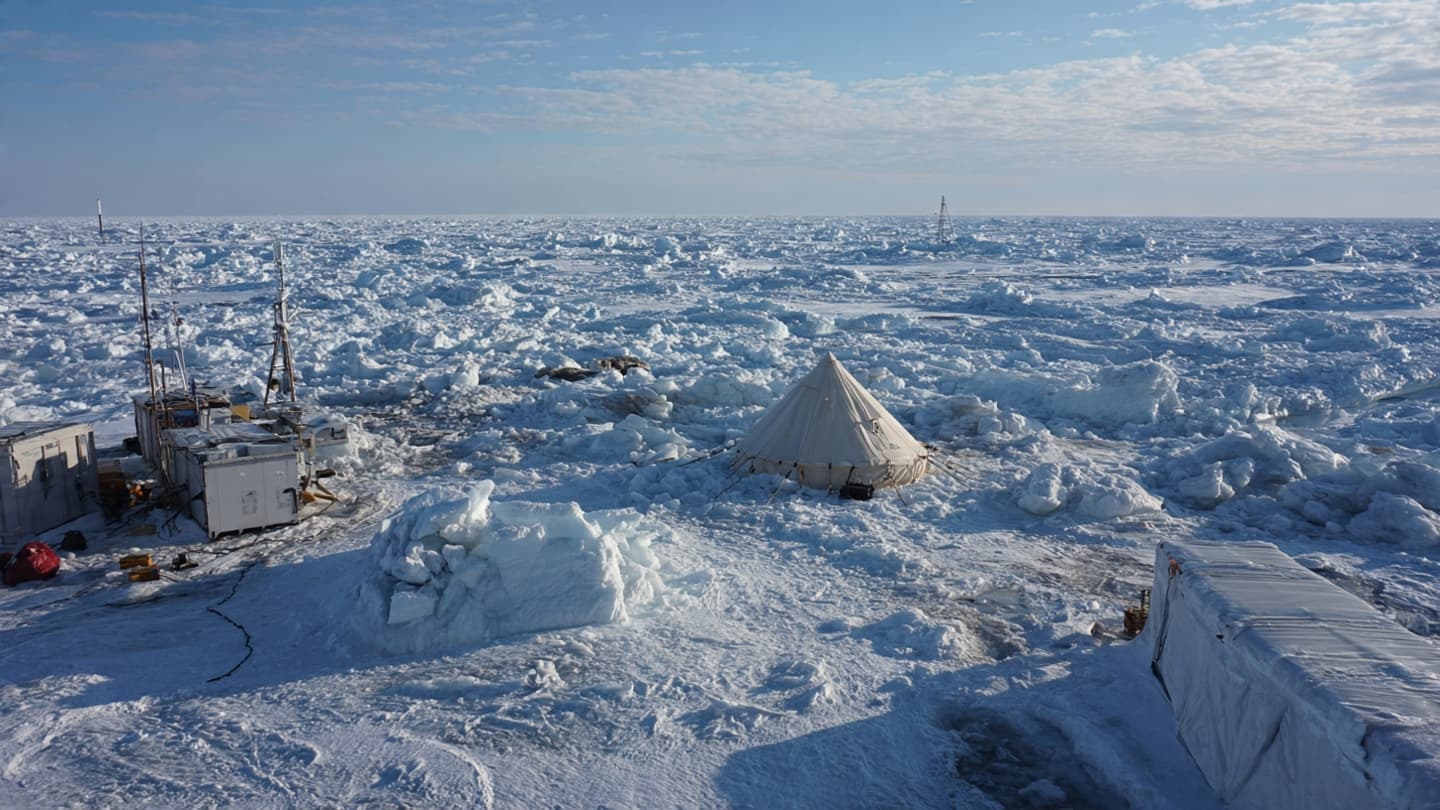
International research teams continue gathering data through field expeditions, satellite observations, and long-term monitoring programs. Such efforts help scientists track environmental trends and improve ecosystem models.
The Arctic also plays an important role in global climate systems. Changes occurring in the region can influence weather patterns, ocean circulation, and environmental processes far beyond the polar circle.
As scientific investigations continue, researchers stress the importance of evidence-based observation and careful analysis. The Arctic remains one of the world's most important natural laboratories, offering critical insights into how ecosystems respond to a changing environment.
AI Image Disclaimer: This illustration was generated using artificial intelligence and is intended solely for visual reference.
Sources (Verified): Nature, NOAA, Reuters, Arctic Council Research Reports, Scientific American
Published by Banx Network. This article is part of the Banx decentralized media programme, powered by the BXE token on the XRP Ledger.