The idea of home has always carried a double meaning in Britain.
It is shelter, certainly. But it is also aspiration, inheritance, security, and, for many, a quiet measure of progress. It lives in conversations between parents and children, in weekend viewings, in the small thrill of a “For Sale” sign giving way to “Sold.”
Now, another line has been crossed.
For the first time on record, the average price of a house in the United Kingdom has reached £300,000, according to major mortgage lenders and housing market analysts. It is a round figure, heavy with symbolism, even if it arrives without fanfare.
No single street changed overnight. No sudden transformation swept through neighborhoods. Instead, the number reflects a gradual accumulation — years of steady increases, brief pauses, renewed climbs, and a housing system stretched between demand and limited supply.
Behind the headline lies a patchwork of regional realities.
In parts of London and the South East, average prices have long stood far above the national figure, driven by high demand, constrained building, and international investment. In other regions, particularly in northern England, Wales, and some rural areas, prices remain lower but have risen at a faster pace in recent years.
The result is a narrowing gap in some places, even as affordability pressures spread more widely.
Mortgage lenders say house prices have been supported by a combination of limited housing stock, resilient demand, and gradually easing borrowing costs compared with the peaks reached during the recent interest rate cycle. Wage growth has improved in parts of the economy, but not enough to fully offset higher prices.
For first-time buyers, the new milestone can feel distant rather than celebratory.
Larger deposits are required. Monthly repayments remain high by historical standards. Many young adults now expect to rent for longer, live with family into their thirties, or rely on parental assistance to step onto the ladder.
Homeownership, once assumed to be a natural stage of adulthood, is increasingly viewed as a privilege shaped by circumstance.
Existing homeowners experience the figure differently.
On paper, rising prices suggest growing wealth. In practice, that wealth is often locked into bricks and mortar. Selling may simply mean buying another expensive property. For those approaching retirement, housing value can provide security or options, but it also ties financial wellbeing to market fluctuations.
Developers and policymakers see another side of the story.
Britain continues to build fewer homes than many experts say are needed to meet long-term demand. Planning constraints, infrastructure limits, and local opposition all play roles. Governments have promised reforms and targets, but progress has been uneven.
The £300,000 mark does not create these problems. It reveals them.
It reflects a housing system where supply struggles to keep pace with population growth and household formation. It reflects decades in which property has been treated not only as shelter, but as investment.
And it reflects a quiet shift in how people imagine their futures.
For some, the dream of a house with a garden remains alive, only postponed. For others, stability is found in long-term renting, cooperative housing, or alternative living arrangements. The definition of success is becoming more varied, even as financial pressures grow more uniform.
There is nothing magical about a round number.
Yet numbers carry stories.
£300,000 is a story of ambition and anxiety, of opportunity and exclusion, of markets and memories. It is a reminder that housing is never just about buildings. It is about belonging, security, and the space in which life unfolds.
The figure may rise further. It may stall. It may even fall.
But for now, it stands as a quiet marker in Britain’s long and complicated relationship with the idea of home.
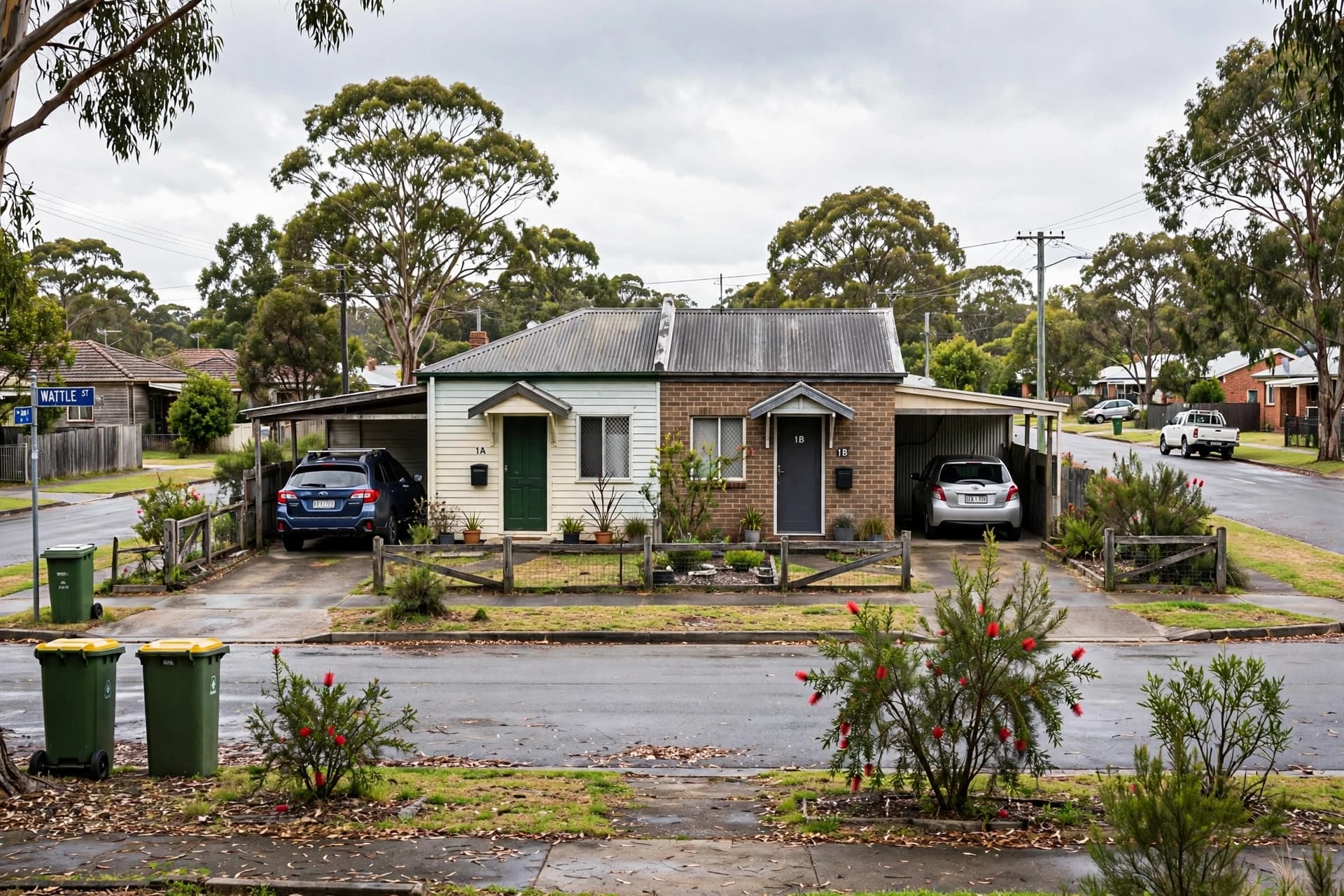
AI Image Disclaimer Visuals are AI-generated and serve as conceptual representations.
Sources (names only) Reuters BBC News The Guardian Nationwide Building Society Halifax
Published by Banx Network. This article is part of the Banx decentralized media programme, powered by the BXE token on the XRP Ledger.