There are seasons in public life that feel much like the shifting light at dusk—neither wholly day nor entirely night, but a moment of reflection that invites deeper breath and quieter reckoning. In Mogadishu this week, as the sun dipped toward the horizon, sparrows found their roosts while elsewhere voices continued to search for common ground. Against this backdrop of anticipation and unresolved negotiation, President Hassan Sheikh Mohamud’s hosting of an iftar gathering with political leaders took on a significance that was at once cultural, spiritual, and unavoidably political.
Ramadan, the Muslim month of fasting and contemplation, has long been a time when shared meals at sunset become not only nourishment for the body but also occasions for bridging distance and reminding communities of their interdependence. There is, in the breaking of the fast, a gentle reminder that hunger is universal and that generosity is transformative. In hosting political leaders for iftar at the Presidential Palace, the president invited conversation and shared experience precisely at a time when formal political talks had faltered.
Earlier this week, high‑level negotiations aimed at resolving Somalia’s electoral deadlock and constitutional disputes came to an impasse, a development that drew concern from both domestic observers and international partners. With deadlines nearing for electoral milestones and differing visions on governance, the collapse of talks left a pause in the political rhythm that many hoped would lead to consensus.
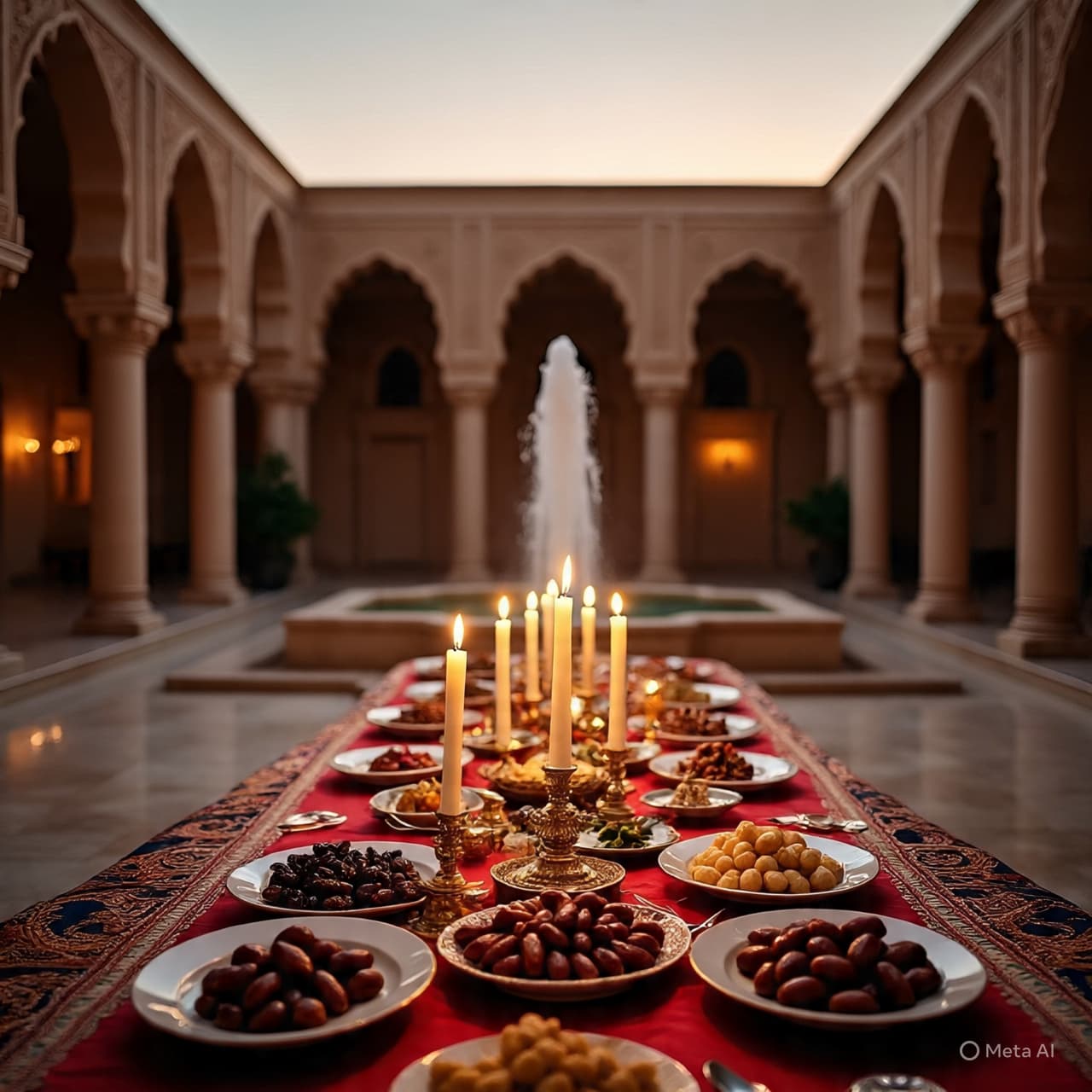
Yet even in that pause, there exists the possibility of dialogue taking shape in other ways. The iftar hosted by the president brought together leaders from multiple political parties to share food, faith, and, in subtle but meaningful ways, open ears. Under the vaulted evening sky, as dates and water passed between hands and prayers preceded the meal, there was a quiet acknowledgment of shared cultural heritage alongside differing political perspectives.
At times like this, the act of gathering itself becomes a form of negotiation—less about policy and more about presence, less about statement and more about listening. The cadence of Ramadan offers a space where individuals, regardless of political affiliation, can sit beneath the same sky, breaking bread in the company of one another. It is a reminder that while negotiations may stall at the table of formal diplomacy, community and shared humanity can continue to be cultivated in settings that honor tradition as well as hope.
For many in Somalia, the path toward future elections remains thorny, with debates over constitutional frameworks, electoral models, and timelines persistent and unresolved. The opposition and federal government have reiterated their positions in the wake of stalled talks, underscoring the challenges that lie ahead. Yet, the gathering at iftar served as a moment of calm in a landscape that has often been described as turbulent. It underscored the ability of cultural practices to transcend immediate policy disputes, even as the broader political narrative continues to unfold.
Disagreements over electoral reforms and constitutional interpretation persist, and observers note that the political dialogue will need renewed energy and commitment from all sides to translate shared aspirations into agreement. Meanwhile, the iftar hosted by President Mohamud stood as a reminder that shared meals can be threads of connection, especially at times when formal dialogue needs renewal.
President Mohamud hosted an iftar meeting with political party leaders following the collapse of government‑opposition talks on electoral reforms. Attendees discussed the broader political situation and expressed views on advancing inclusive participation in the electoral process. The meeting occurred amid continued efforts to navigate Somalia’s electoral roadmap ahead of upcoming deadlines.
AI Image Disclaimer Graphics are AI‑generated and intended for representation, not reality.
Sources Hiiraan Online FTL Somalia Dawan Africa Standard Media (analysis context) Reuters (general electoral context)
Published by Banx Network. This article is part of the Banx decentralized media programme, powered by the BXE token on the XRP Ledger.