Morning arrives in a way that feels almost ordinary—light stretching slowly across streets, voices beginning their daily rhythm—yet beneath the calm, something more deliberate takes shape. In Hungary, this quiet morning carries the weight of decision, as polling stations open across the country and a long-standing political chapter stands, perhaps, at the edge of reconsideration.
For sixteen years, Viktor Orbán has remained a defining presence in Hungary’s political landscape. His leadership has shaped institutions, policies, and the tone of national discourse, offering a vision rooted in sovereignty, stability, and continuity. Over time, that vision has been both affirmed and contested, reflecting a country navigating its place within Europe and within itself.
Now, as voters step into polling stations, the atmosphere is less about spectacle and more about reflection. The election has drawn attention not only for its potential outcome, but for what it represents—a moment where continuity meets the possibility of change. Polls leading into the vote have suggested a tighter race than in previous years, with opposition forces coalescing in ways that have, at times, narrowed the gap.
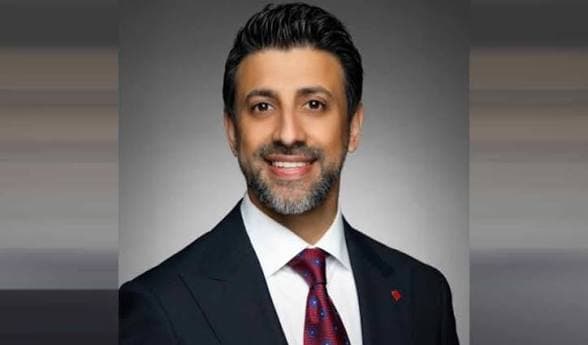
At the center of this challenge stands Péter Magyar, whose emergence has added a new dimension to the political landscape. Once connected to the governing circle, his transition into opposition leadership has carried symbolic weight, suggesting a shift not only in policy direction but in political narrative. His campaign has emphasized concerns over economic conditions, governance, and institutional balance, themes that have found resonance among segments of the electorate.
Yet elections are rarely shaped by individuals alone. The broader system—its rules, its structures, and its history—plays a quiet but powerful role. Hungary’s electoral framework, developed over years, continues to influence how votes translate into representation. This adds a layer of complexity to any prediction, reminding observers that outcomes depend not only on public sentiment, but on the mechanisms through which that sentiment is expressed.
Economic concerns have also woven themselves into the fabric of this election. Rising costs, questions around growth, and the everyday realities of living have become part of the conversation, gently shifting attention from abstract debates to tangible experiences. At the same time, themes of national identity and external relations remain present, reflecting Hungary’s ongoing dialogue with the broader European Union.
Beyond Hungary’s borders, the election is being watched with quiet interest. Its outcome may carry implications for regional dynamics, particularly in how Hungary positions itself within European institutions. Yet even here, the tone remains measured—less about immediate transformation and more about gradual direction.
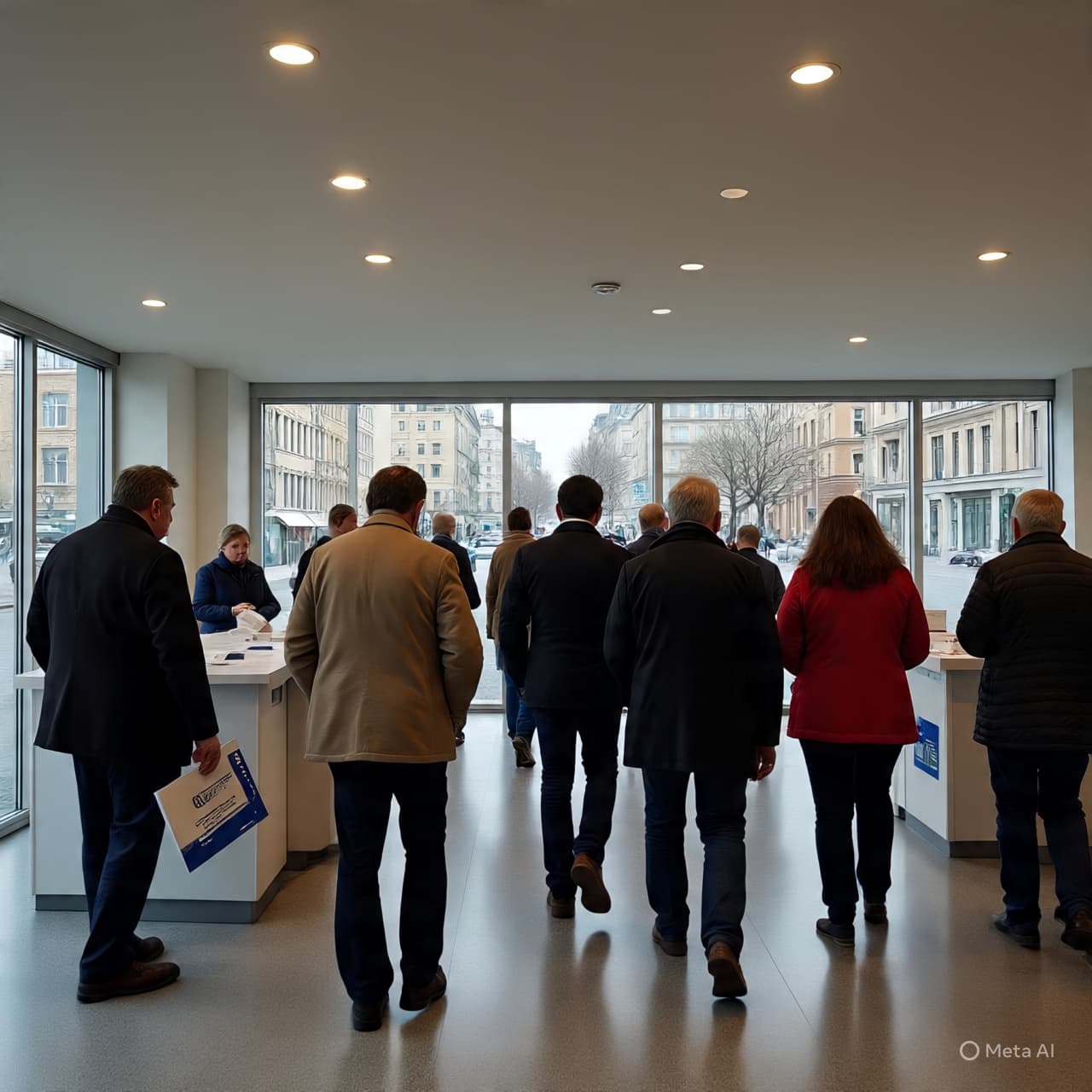
As the day unfolds, the act of voting itself becomes the central gesture. Individuals enter polling stations, mark their choices, and step back into the rhythm of daily life. It is a simple process, yet one that carries collective meaning, shaping the path ahead in ways that will only become clear with time.
When the polls close, results will begin to emerge, offering a clearer picture of the country’s direction. Whether they reaffirm continuity or open the door to change, they will reflect a decision made not in haste, but through the steady accumulation of voices.
For now, Hungary stands in that quiet space between question and answer. And in that space, the future remains open—waiting, as it often does, for the gentle but decisive act of choice.
AI Image Disclaimer Graphics are AI-generated and intended for representation, not reality.
Source Check Credible coverage of Hungary’s closely watched election and Viktor Orbán’s political position is widely reported by:
Reuters The Guardian BBC News Al Jazeera Financial Times
Published by Banx Network. This article is part of the Banx decentralized media programme, powered by the BXE token on the XRP Ledger.