In the quiet corridors of global energy strategy, even a few carefully chosen words can ripple outward like a stone tossed into deep water. This week in Paris, Prime Minister Mark Carney offered such a moment: describing Canadian oil as “competitive” in the face of emerging global shifts in supply and demand. The phrasing — seemingly simple, almost matter‑of‑fact — signals more than marketing cheer. It reveals a government navigating a complex crossroads, balancing economic imperatives with political realities, and reframing Canada’s role in the world’s energy markets.
Carney’s remarks came amid an international backdrop reshaped by the recent U.S. capture of Venezuelan President Nicolás Maduro and the possibility of a revitalized Venezuelan oil sector. With Venezuelan heavy crude similar to that produced in Canada’s oil sands, some analysts had speculated Canadian product could face pressure from renewed Venezuelan output. But Carney — speaking to reporters in Paris — pushed back against the idea that Canada’s oil is at risk of losing footing. Instead, he said Canadian oil will remain competitive because it is “low risk” and “low cost”, buoyed by the country’s stable governance and sound investment environment.
He emphasized that a functioning oil industry in Venezuela could be “a good thing” for regional stability and prosperity, yet insisted that those developments do not diminish Canada’s comparative strengths. Carney also highlighted carbon capture initiatives such as the proposed Pathways Alliance project in Alberta — efforts that, he said, would bolster the environmental credentials of Canadian crude and appeal to buyers concerned about emissions.
This line of rhetoric contrasts with earlier periods when Canadian leaders framed the country’s energy sector largely in defensive terms — worried about being squeezed between global competitors or overly reliant on U.S. markets. By invoking competition rather than vulnerability, Carney appears to be signaling confidence and a proactive posture: one in which Canada not only defends existing markets but also diversifies into new ones, including potential exports to Asian destinations through a Pacific‑coast pipeline.
The comments also resonate politically at home, where debates over pipelines, climate policy, and economic growth remain deeply contested. Conservative critics have pressed for expedited infrastructure approvals to ensure Canadian oil can reach global customers, while environmental advocates call for renewable investments and tighter emissions standards. Carney’s emphasis on competitiveness and carbon capture reflects an attempt to navigate these competing pressures — affirming the economic value of oil production while acknowledging the imperatives of sustainability and diversification.
In short, the shift in rhetoric from caution to competition is more than a matter of spin. It reflects a government trying to chart a course through turbulent economic waters: one that acknowledges emerging global supplies, addresses domestic political currents, and positions Canadian energy as both resilient and adaptable. Whether this formulation resonates with markets and policymakers remains to be seen, but for now it signals a moment of recalibration — one in which Canadian oil is presented not as beleaguered but as capable of standing its ground in an evolving global energy arena.
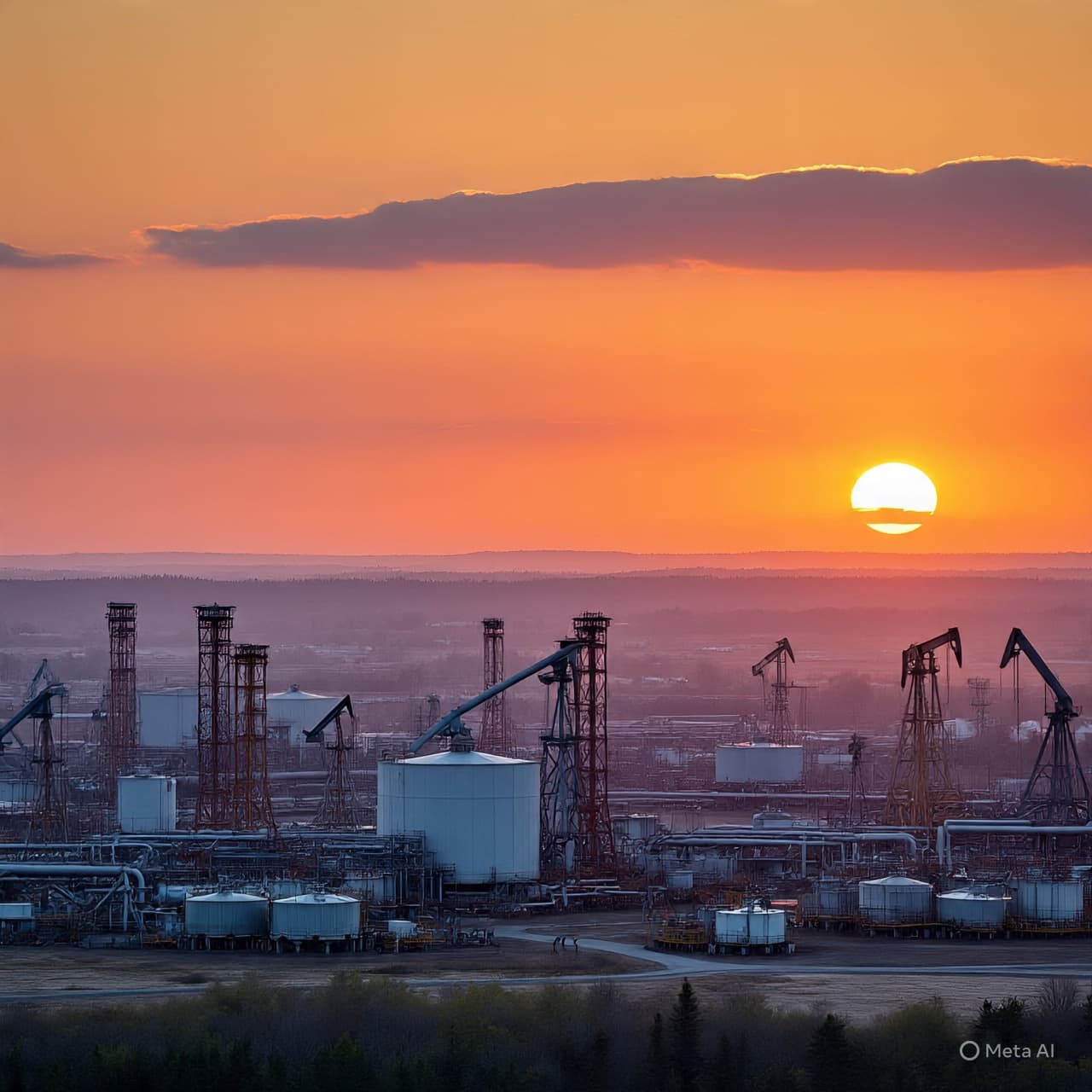
AI Image Disclaimer “Visuals are created with AI tools and are not real photographs, meant for conceptual illustration.”
Sources: Reuters, Yahoo Finance Canada, Canada National Observer — Energy coverage.
Published by Banx Network. This article is part of the Banx decentralized media programme, powered by the BXE token on the XRP Ledger.