In the early morning hush when the day has not quite taken its shape, parents sometimes sit beside cribs and strollers, pondering the path ahead — a path that, in recent years, has felt less like a paved road and more like a winding trail through shifting light and shadow. The tapestry of modern parenting is threaded with choices, uncertainties, and hopes, and few subjects have become as fraught with both promise and perplexity as the question of vaccines. What once was a near-universal reassurance against childhood illnesses now feels to some like a fracturing landscape of shifting guidelines, conflicting voices, and hard-won trust.
Today’s parents walk a terrain shaped by evolving scientific guidance and public debate. Recent changes in U.S. childhood vaccination policies have unsettled many families, with pediatricians reporting that standard newborn care practices — from vitamin K injections to longstanding vaccines — are being questioned alongside immunization itself. These shifts, experts say, are creating confusion that ripples through conversations at playgrounds, pediatric offices, and kitchen tables. Among parents, what was once a largely accepted routine now inspires a spectrum of responses ranging from steadfast confidence to hesitancy and doubt.
For many families, the experience of navigating school-entry immunization requirements feels like reading a map with new landmarks and unclear signposts. In some regions, an increasing number of children are entering school with vaccine exemptions, and school nurses find themselves positioned as trusted confidants in discussions that blend medical advice with personal concern. At the same time, surveys reveal that confidence in federal health agencies and routine childhood vaccines is divided — with a noticeable share of parents reporting worries about safety and efficacy and questioning the very schedules that generations before followed without hesitation.
Underlying much of this uncertainty is the ever-present force of information — and misinformation. In an age where social media and online forums offer easy access to competing narratives, parents may encounter stories that amplify fear more than facts. Healthcare professionals are urging a renewed emphasis on clear, empathetic communication, reminding families that vaccines undergo rigorous testing and that concerns — when met with patience and evidence — can often be eased by trusted medical guidance.
Yet the emotional weight of decision-making cannot be quantified simply in percentages or policy shifts. For some, the decision to vaccinate involves reconciling hope for protection with the instinct to shield a child from anything perceived as risky. For others, it means grappling with the erosion of trust once easily placed in health authorities. The fracturing vaccine landscape is thus not merely a matter of science or statistics but a shared narrative of families seeking clarity amid noise, and of healthcare providers striving to meet parents where they are.
In this evolving moment, parents across the country continue to navigate these choices — balancing personal conviction with public health imperatives and seeking paths that honor both the wellbeing of their children and the collective safety of their communities. Recent reporting indicates that changing policies and persistent misinformation are contributing to increased hesitancy among some parents, while many others continue to embrace recommended vaccination schedules for their children.
AI Image Disclaimer (Rotated Wording)
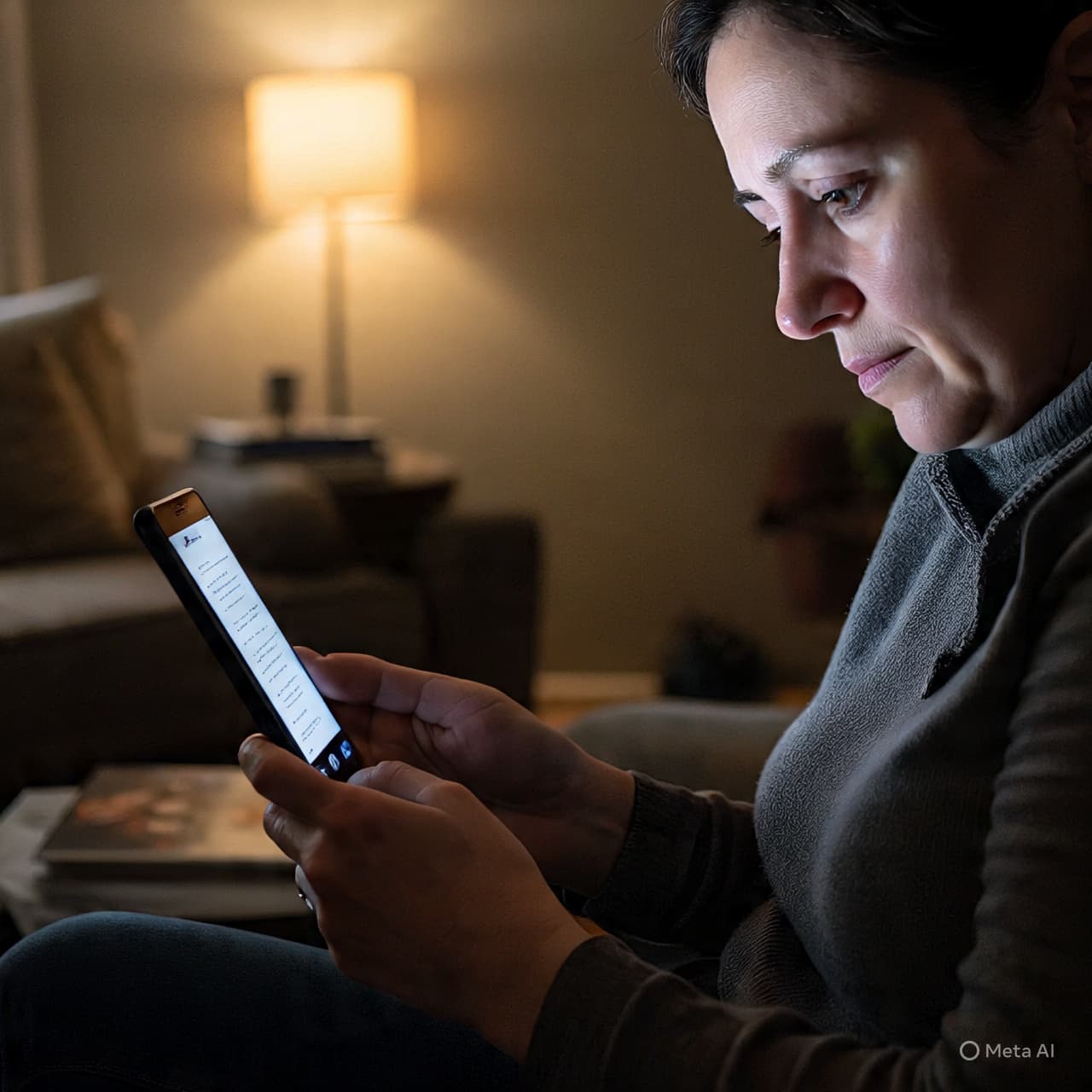
“Visuals are created with AI tools and are not real photographs.”
Sources Identified (Media Names Only):
Reuters
Associated Press / Contemporary Pediatrics
KGOU (StateImpact Oklahoma)
TechTarget / Patient Engagement Editor
AJMC / Washington Post & KFF survey findings
Published by Banx Network. This article is part of the Banx decentralized media programme, powered by the BXE token on the XRP Ledger.