There’s a familiar rhythm in the cadence of travel — suitcases rolling across terminals, reunions and farewells whispered through gate announcements, the promise of new horizons. Yet just as we have learned to carry passport and ticket, there are moments when health considerations become part of that shared human journey. In recent days, Thailand’s skies have seen this interplay of movement and medicine take on a gentle, vigilant form, as health authorities peer closely at the flow of travellers from parts of India where the Nipah virus has appeared.
For some, the word “Nipah” might echo distant and scientific, but to public health officials, it represents a story of caution drawn from past experience. This virus, known to cause serious illness in small clusters when it emerges, has prompted authorities in Thailand to take thoughtful measures — not through alarm, but with a measured sense of preparedness and care. Over 1,700 passengers arriving from West Bengal, India, have been screened at major international airports recently, and in that effort, no infections have been found so far.
Across Suvarnabhumi, Don Mueang, and Phuket airports, teams trained to observe health indicators — temperature checks, travel histories, and conversations about recent symptoms — have woven together a net of observation that respects both personal dignity and public safety. The process is calm and systematic, a bit like easing into a cool stream on a warm day: you enter slowly, aware of each step, mindful of the terrain.
Public Health Minister Phatthana Phromphat and other officials have emphasized that Thailand has never recorded a case of Nipah virus within its borders. The screening measures are rooted in a desire to keep it that way, informed by similar models of vigilance that became familiar to many during previous global health challenges. They reflect a continuity of care — screening not as a barrier, but as a bridge that allows people to travel while minimizing risk.
Authorities have also prepared by coordinating with hospitals and health systems, ensuring that if a suspected case were ever identified, isolation facilities and specialist teams are ready without delay. It’s a reminder that healthcare infrastructure, when supported well in advance, becomes more like a safety net than a last resort.
For travellers, there is an invitation to be both thoughtful and unburdened — thoughtful in reporting symptoms or exposures honestly, unburdened in the sense that the absence of confirmed cases so far suggests the risk remains low. Just as the routine of travel requires cooperation between passengers and staff, so too does public health depend on shared responsibility and calm awareness.
In the gentle balance between vigilance and normalcy, Thailand’s screening approach reflects a wider understanding: that in our interconnected world, care can be measured not in fear but in attentive observation, ready response, and the quiet confidence that arises from preparation.
In straight news terms, Thailand’s Ministry of Public Health confirmed that more than 1,700 passengers arriving from Kolkata and other parts of West Bengal have been screened for the Nipah virus with none found to be infected to date. Authorities continue screening operations at major airports and have instructed hospitals and disease control units to remain on alert. Measures remain in place while officials monitor developments in the region.
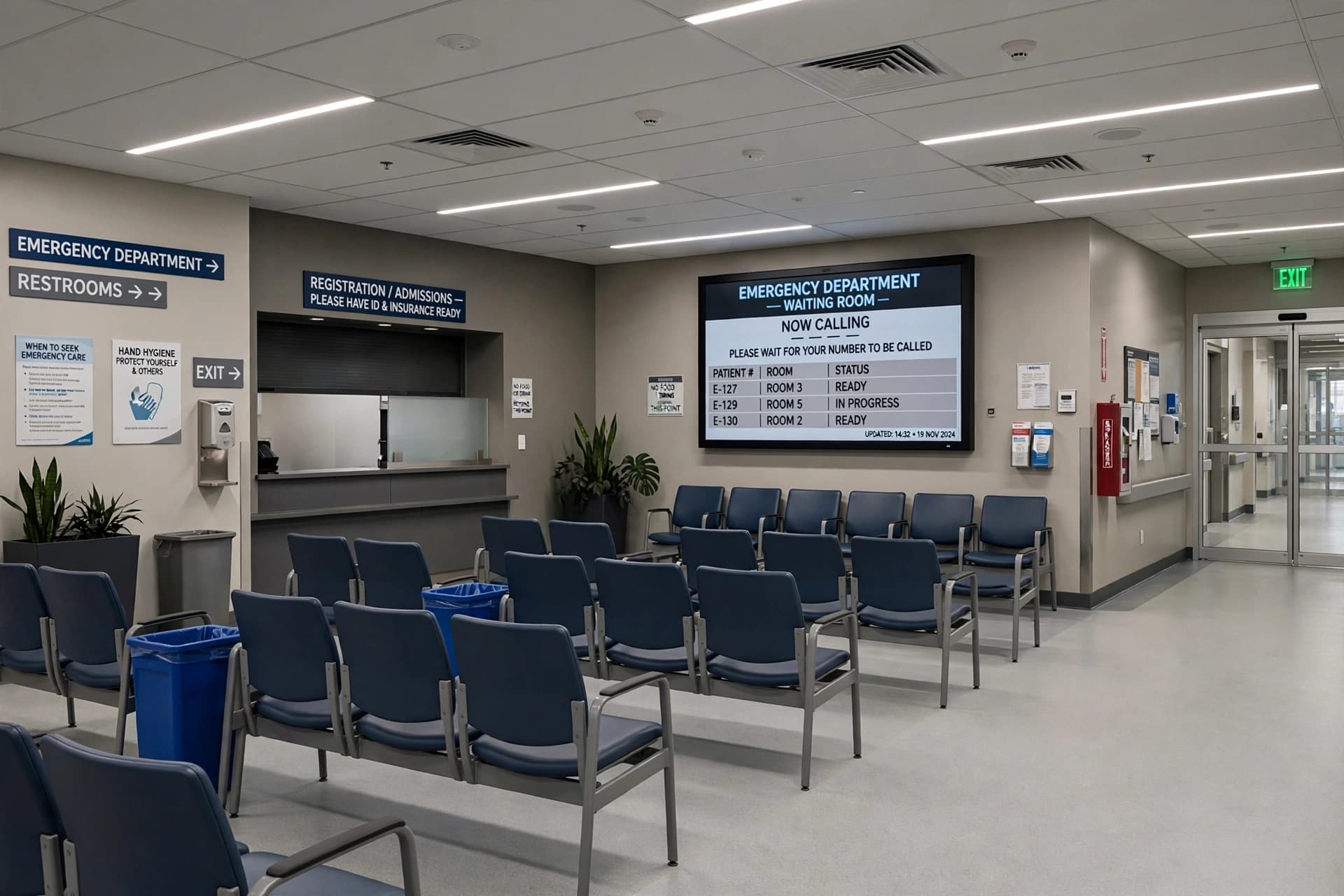
AI Image Disclaimer (rotated wording) Graphics are AI-generated and intended for representation, not reality.
Sources (verified credible media):
The Nation Thailand The Edge Markets Independent (Asia) Economic Times VNExpress
Published by Banx Network. This article is part of the Banx decentralized media programme, powered by the BXE token on the XRP Ledger.