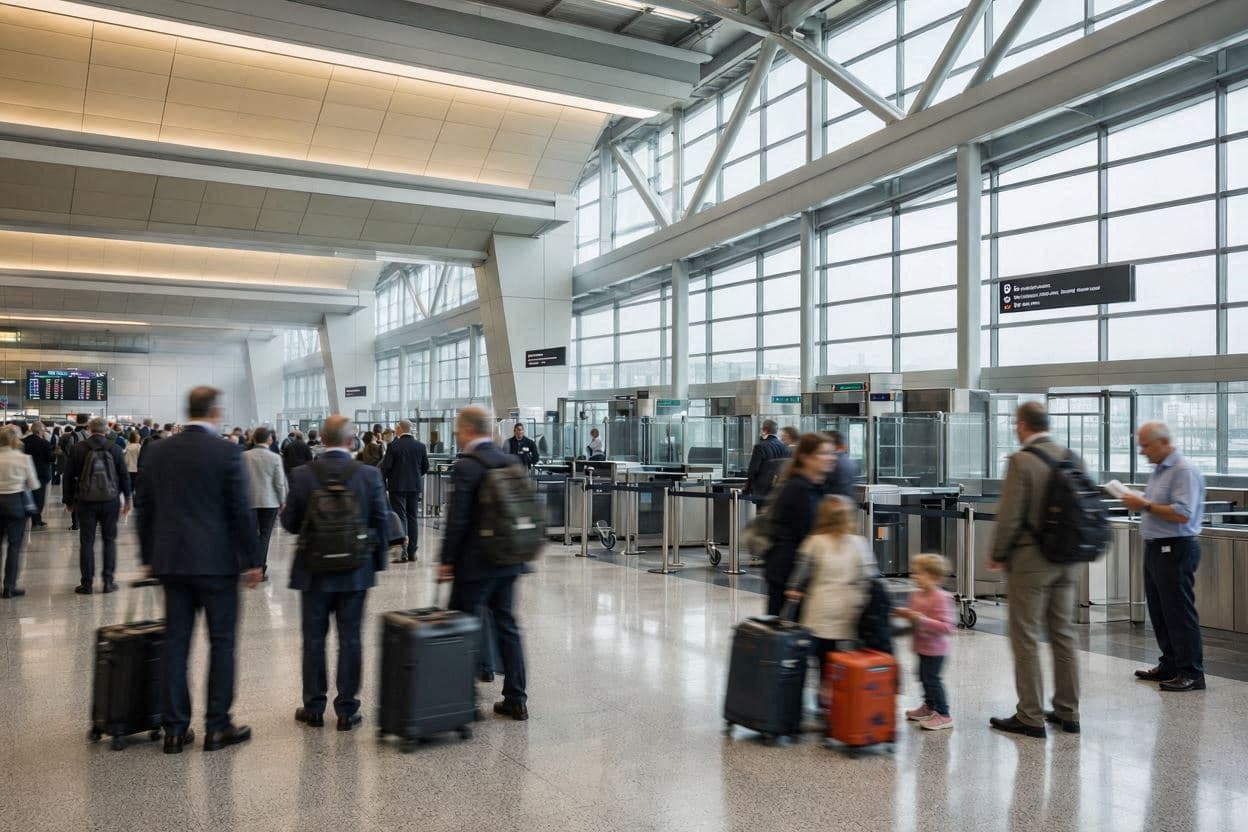
Airports are typically spaces of transition, where journeys begin and end amidst a hum of activity and anticipation. Yet, for some travelers, these hubs have recently become sites of unexpected confrontation, as reports emerge of immigration arrests occurring within terminal walls. This development follows increased collaboration between the Transportation Security Administration and Immigration and Customs Enforcement, raising questions about security protocols and civil liberties.
Sources indicate that the TSA has been sharing traveler data with ICE, leading to a rise in arrests at airports across the country. This collaboration aims to identify individuals with outstanding deportation orders or other immigration violations. While authorities argue this enhances national security, critics express concern over the potential for racial profiling and the chilling effect on travel among immigrant communities.
The arrests often occur at security checkpoints or upon arrival, catching individuals off guard. Legal advocates report cases of people with pending asylum claims or minor visa issues being detained, highlighting the complexity of immigration status and the nuances that automated systems may miss. These incidents have sparked debates about the balance between enforcement and due process.
Travelers are advised to carry proper documentation and be aware of their rights when passing through airport security. Legal organizations have issued guidelines on how to respond if approached by immigration agents, emphasizing the right to remain silent and the right to legal counsel. Awareness and preparation are seen as crucial tools for protecting oneself in these uncertain times.
The TSA maintains that its primary mission is transportation security, not immigration enforcement. However, the sharing of data with ICE represents a significant shift in inter-agency cooperation. Transparency regarding the criteria for data sharing and the safeguards in place to protect privacy remains a key demand from civil rights groups and lawmakers.
Public reaction has been mixed, with some supporting stricter enforcement and others calling for reform. Community leaders urge calm and dialogue, stressing the importance of understanding the legal frameworks involved. The situation continues to evolve, with ongoing monitoring by advocacy groups and media outlets to ensure accountability and fairness.
As the policy unfolds, its impact on the travel industry and immigrant populations will be closely watched. Airports may see changes in passenger behavior and sentiment, reflecting broader societal tensions around immigration. The dialogue surrounding these arrests is likely to influence future legislation and agency practices.
The intersection of security and immigration enforcement at airports remains a contentious issue. As reports of arrests continue, the need for clear policies and respectful treatment of all travelers becomes increasingly urgent. Stakeholders on all sides are called upon to engage in constructive conversation to address these complex challenges.
AI Image Disclaimer: Please be aware that the illustrations associated with this story are AI-generated and serve as symbolic representations of the topic discussed.
Sources: The New York Times, CNN, The Guardian, LiveNowFox
Published by Banx Network. This article is part of the Banx decentralized media programme, powered by the BXE token on the XRP Ledger.