In Japan, trains are more than transportation. They are rhythm.
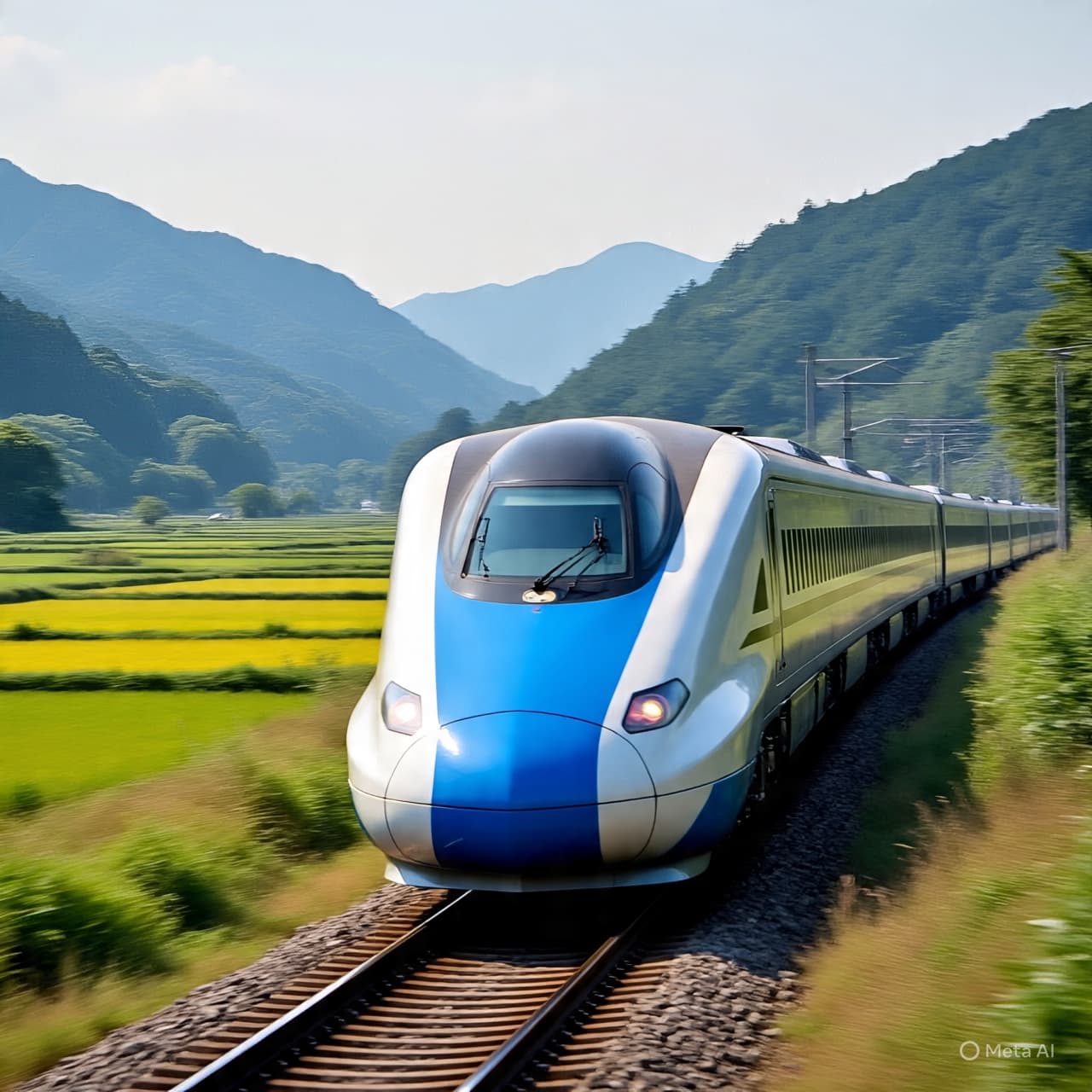
They arrive as predictably as tides, glide through cities with measured grace, and vanish into tunnels carved through mountains. The Shinkansen — the bullet train — has long symbolized precision and speed, stitching the country’s regions together at up to 300 kilometers per hour. Now, that familiar streak of silver is preparing for a different kind of passenger.
Beginning in March, a converted high-speed Shinkansen will carry food instead of commuters, transforming part of its sleek interior into cargo space. Engineers have redesigned the train to transport as many as 1,000 boxes per journey — up to 17.4 tons of produce and other goods — moving them swiftly between regions in a matter of hours.
The idea is both practical and poetic. Japan’s geography, stretched across islands and folded into mountain ranges, makes logistics an intricate art. While trucks navigate highways and ferries cross straits, the rail network offers a reliable, weather-resistant corridor through the country’s heart. By adapting an existing high-speed train, railway operators aim to harness that infrastructure for rapid food delivery.
Inside the modified cars, seats give way to secure storage systems designed to stabilize cargo at high velocity. The train retains its signature speed, turning distance into brevity. A shipment of fresh seafood, harvested at dawn in one coastal prefecture, could arrive in a distant city by afternoon. Regional specialties — fruit, rice, prepared dishes — may travel from local producers to urban markets with minimal delay.
The move reflects broader shifts in how Japan balances tradition and technology. As population patterns change and rural communities seek stronger economic links to cities, logistics becomes not only an operational concern but a lifeline. Faster delivery can extend shelf life, reduce waste, and connect small-scale producers to wider demand.
There is also a symbolic dimension. The Shinkansen has always represented forward motion — postwar reconstruction, engineering prowess, the steady hum of modern life. Repurposing it for freight suggests flexibility within that legacy. Speed, once dedicated almost entirely to human movement, now carries harvests and ingredients with equal urgency.
Rail companies have experimented in recent years with mixed passenger and cargo services, particularly during periods when ridership fluctuated. The full conversion of a high-capacity bullet train for food transport marks a more deliberate pivot. Up to 1,000 boxes per trip signals scale, not novelty.
Yet even at 300 kilometers per hour, the journey remains quiet inside the cabin. There are no conversations, no business travelers reviewing documents, only carefully stacked containers secured for the ride. Outside, rice fields blur into suburbs, coastlines flash past, and stations mark the train’s progress with practiced efficiency.
By the time it arrives, the cargo will disperse into distribution centers and markets, its speed translated into freshness. What began as an engineering feat becomes something intimate — a meal prepared that evening, ingredients that traveled the length of the country between sunrise and dusk.
In a nation where punctuality is a point of pride and cuisine a form of heritage, the convergence feels natural. Steel wheels on rail, fields to cities, velocity in service of nourishment. The Shinkansen continues forward, its purpose evolving but its rhythm unchanged — carrying not only people across distance, but now the sustenance that binds them.
Published by Banx Network. This article is part of the Banx decentralized media programme, powered by the BXE token on the XRP Ledger.