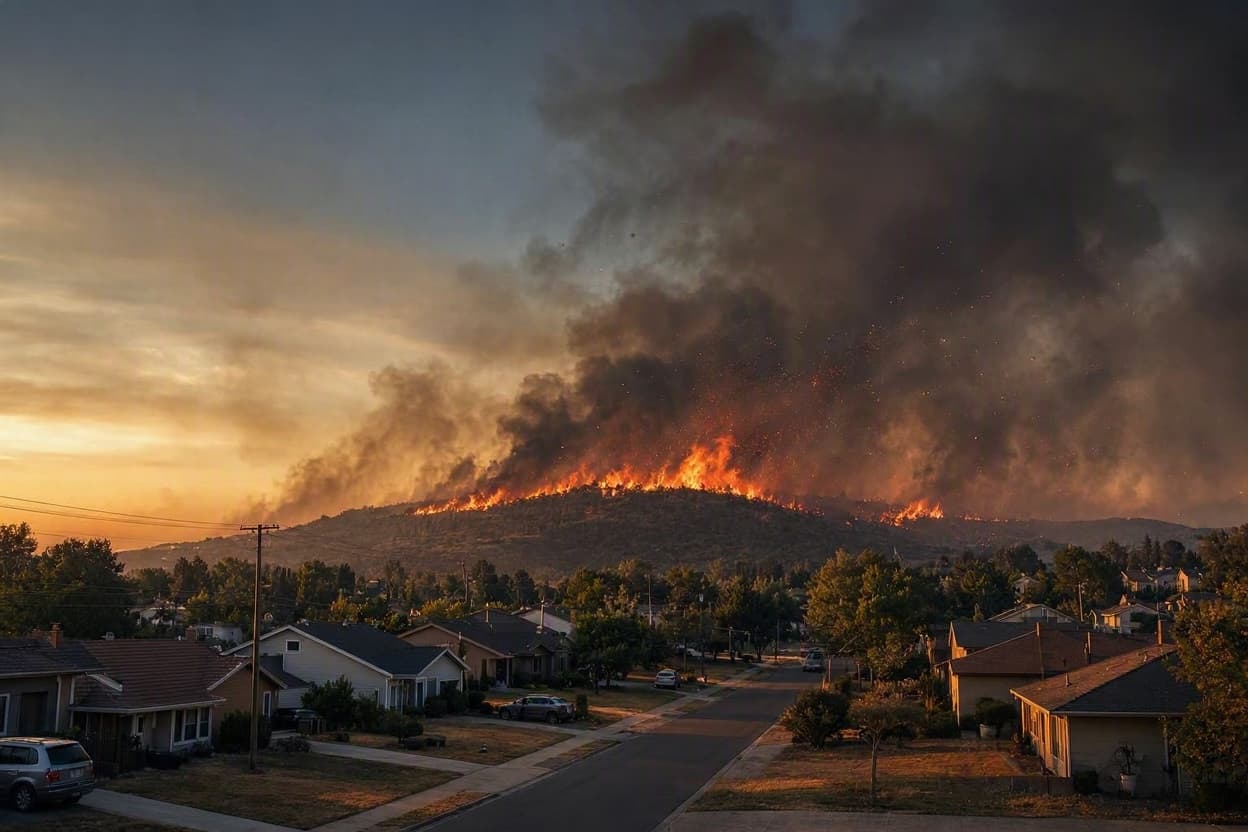
The air in Reno, Nevada, has turned thick with smoke and anxiety as the Hawk Fire roars through the dry hills surrounding the city. Driven by unpredictable winds and fueled by parched vegetation, the blaze has grown with alarming speed, threatening homes and livelihoods. For tens of thousands of residents, the order to evacuate is not just a precaution but a urgent necessity, disrupting lives and casting a shadow of uncertainty over the community.
The Hawk Fire erupted on Saturday, August 22, 2026, and within days has scorched more than 15,000 acres. Shifting winds have made containment efforts difficult, pushing the fire toward residential areas northwest of the city. Authorities have issued mandatory evacuation orders for approximately 42,000 people, with another 45,000 under warning to prepare for immediate departure. The scale of the displacement is staggering, turning neighborhoods into ghost towns overnight.
Firefighters are battling the blaze on multiple fronts, using aerial tankers and ground crews to create containment lines. However, the erratic wind patterns have caused the fire to jump barriers, igniting new spot fires and complicating suppression efforts. Six injuries have been reported among first responders and residents, highlighting the danger posed by the rapidly changing conditions.
For those forced to leave, the experience is disorienting and stressful. Families grab essential documents, pets, and medications before fleeing, unsure of when or if they will be able to return. Emergency shelters have been set up in schools and community centers, providing a temporary refuge for displaced residents. Volunteers are offering food, clothing, and emotional support, creating a sense of community amidst the chaos.
The economic impact is also significant. Local businesses have closed, and tourism, a vital part of Reno’s economy, has come to a halt. The smoke has affected air quality across the region, prompting health advisories for vulnerable populations. Schools have canceled classes, and major events have been postponed, further disrupting daily life.
Climate change is cited as a contributing factor to the intensity of the fire. Higher temperatures and prolonged droughts have created ideal conditions for wildfires to spread quickly. Experts warn that such events may become more frequent and severe in the coming years, requiring better preparedness and adaptation strategies.
As the fire continues to burn, the focus remains on saving lives and property. Fire officials urge residents to heed evacuation orders and avoid returning to restricted areas. The community is rallying together, supporting those who have lost homes and helping firefighters with supplies and encouragement.
The Hawk Fire is a stark reminder of the power of nature and the vulnerability of human settlements. As Reno faces this crisis, the resilience of its people and the dedication of first responders offer hope amidst the smoke and flames.
AI Image Disclaimer: Any images used in conjunction with this article are AI-generated conceptualizations meant to illustrate the themes of media and justice.
Sources: The Guardian, NPR, ABC News, Associated Press
Published by Banx Network. This article is part of the Banx decentralized media programme, powered by the BXE token on the XRP Ledger.