There is a seasonality to this war that has nothing to do with the weather and everything to do with cruelty. As autumn deepens and the first frosts approach, Russia has once again turned its missiles and drones toward the infrastructure that keeps Ukrainian homes warm. The targets are not soldiers or supply lines but power plants, substations, and the quiet machinery of daily life. The message is unmistakable: winter itself is being weaponized.
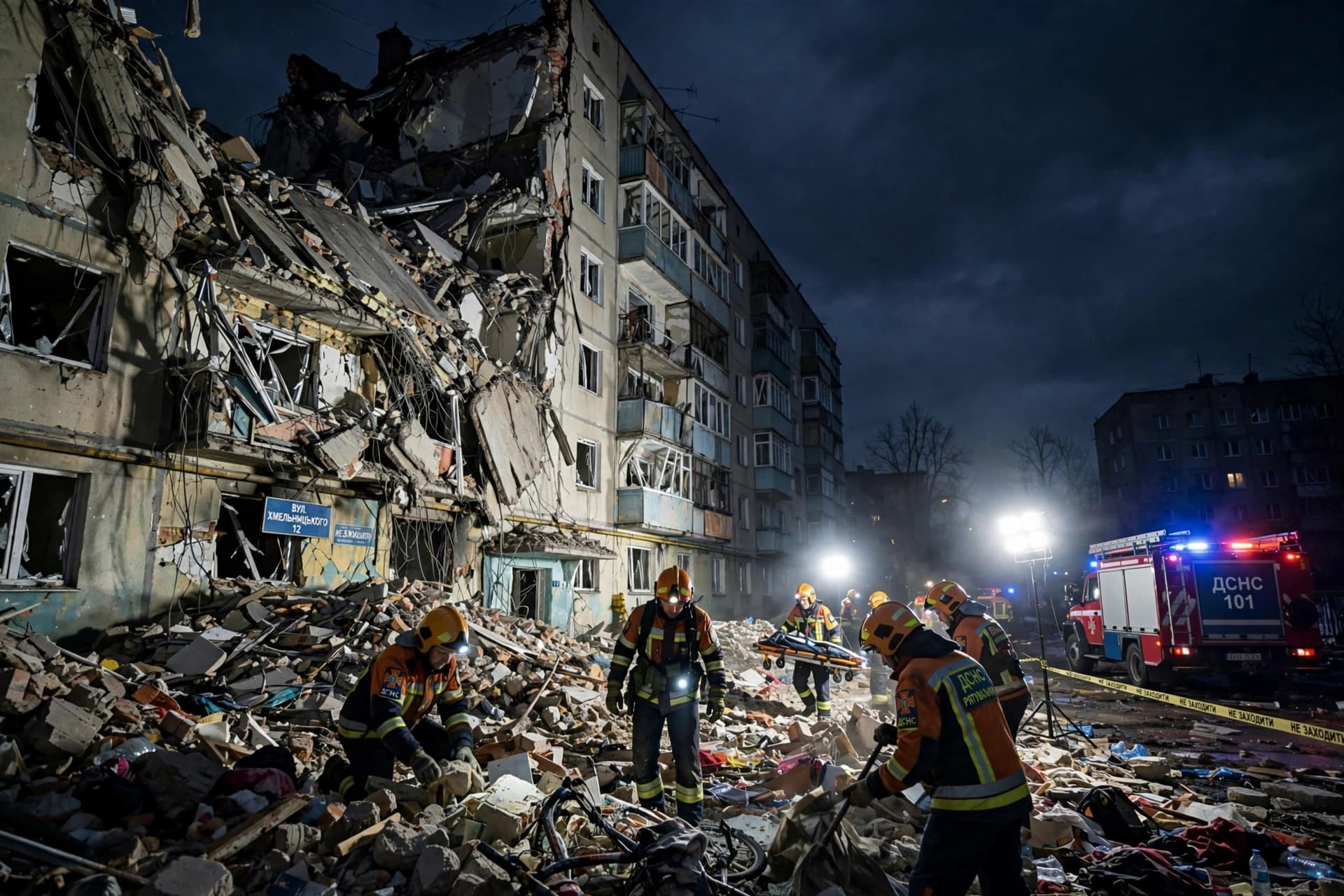
On Wednesday, September 30, Russia launched what Ukrainian officials described as one of its largest combined attacks in months on Kyiv and the surrounding region. At least four people were killed, including a child whose body was found beneath the rubble of a destroyed home in Vyshhorod, north of the capital . Three others died in Kyiv, and at least four were wounded . The Russian Defense Ministry said its forces targeted a hydroelectric plant, a thermal power plant, an electrical substation, an energy storage facility, and a data center .
The scale of the assault reflects a deliberate escalation. Ukrainian Air Force spokesman Yurii Ihnat reported that Russia fired 2,850 jet-powered drones at Ukraine in August, but by September 29—with two days still remaining in the month—it had already launched 3,177 . These newer drones are faster and harder to intercept than the Shahed models they are replacing. The attacks also included ballistic missiles, which Ukraine’s air defenses struggle to stop without sufficient Patriot interceptors .
The damage was immediate. Ukraine’s main energy provider, DTEK, confirmed that the grid was damaged and that supplies to 8,000 households were affected, though engineers restored power relatively quickly . Generating equipment at the Trypillia thermal power plant near Kyiv was deliberately struck, according to its operator . Prime Minister Serhii Koretskyi said such a large-scale combined attack had not occurred since the end of the last heating season, and he urged local authorities to inspect backup power systems for critical facilities .
President Volodymyr Zelenskyy described it as “a difficult attack” aimed at stretching Ukraine’s air defenses, and thanked allies for recent deliveries of air defense equipment. “The closer we get to winter, the more of this protection we need,” he said . Ukrainian Foreign Minister Andrii Sybiha noted that the uptick in strikes has brought “days of almost uninterrupted air raid alerts across Ukraine” .
The International Criminal Court issued arrest warrants in 2024 for Russia’s then military leaders over attacks on Ukraine’s energy grid, saying they constituted a war crime causing “excessive harm” to civilians . Russia has repeatedly denied targeting civilians, claiming its strikes are aimed at military-linked infrastructure. The attacks continue as U.S. efforts to halt the fighting have stalled, with Moscow saying it wants a comprehensive settlement rather than a temporary truce—a position Kyiv considers unacceptable because it would require surrendering land .
AI Image Disclaimer: The images accompanying this article were generated by artificial intelligence and are intended for conceptual illustration only.
Sources: Associated Press, The Canadian Press, Washington Times, New Age BD, FNN Prime Online, CTPost
Published by Banx Network. This article is part of the Banx decentralized media programme, powered by the BXE token on the XRP Ledger.