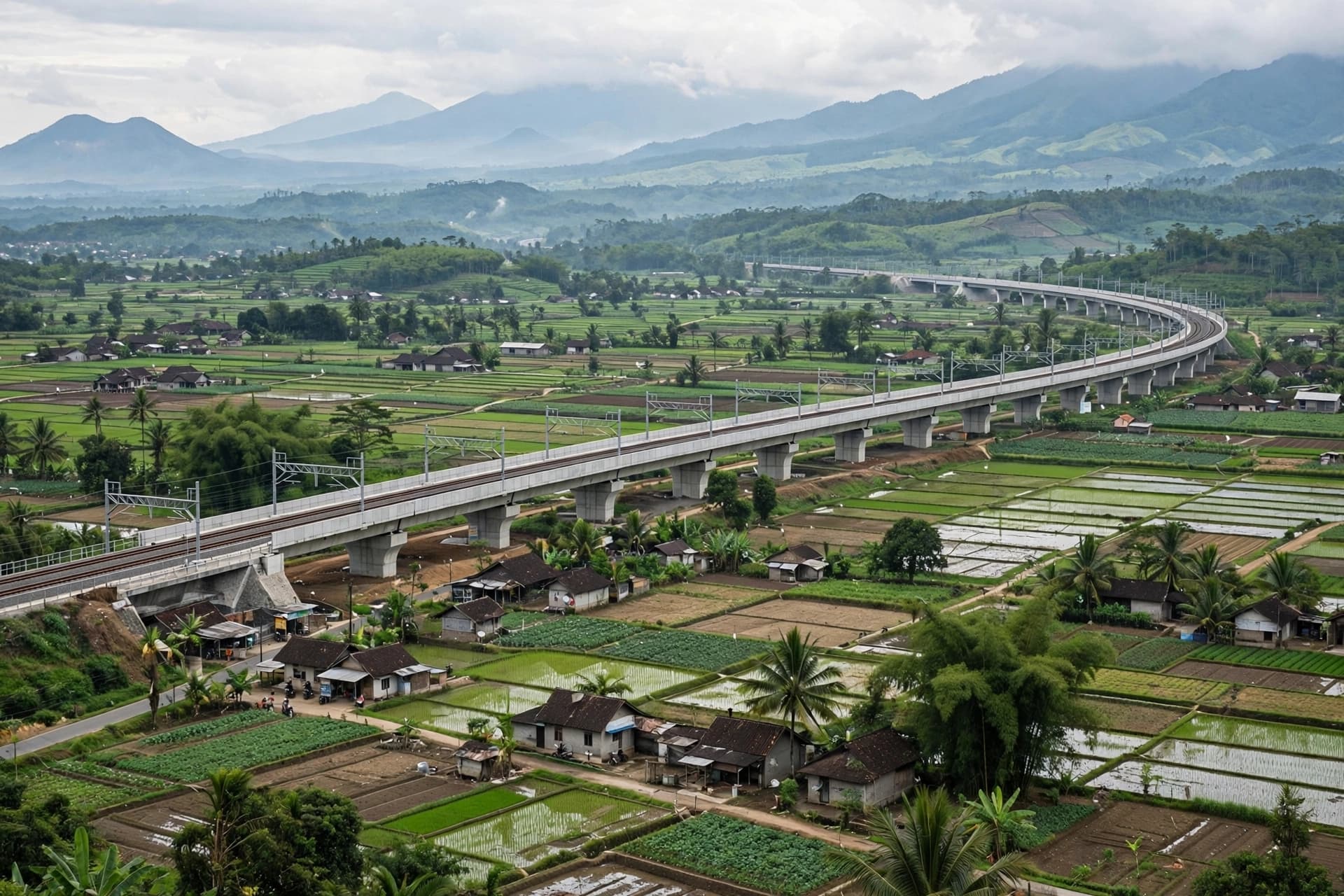
The landscape between Jakarta and Bandung has changed since a new railway began crossing it at high speed. What once required a long journey by conventional road and rail can now be covered through a dedicated corridor built for a different pace.
Behind that journey, however, lies a complicated financial structure. Indonesia's government plans to take a controlling stake in the company operating the $7.3 billion Jakarta-Bandung high-speed railway, known as Whoosh.
The railway was developed with Chinese financing and has become one of Indonesia's most significant modern transportation projects. It connects Jakarta with Bandung and represents a major investment in faster passenger movement across Java.
The planned ownership change involves PT Kereta Cepat Indonesia China, the company responsible for operating the railway. Indonesia's finance minister and a senior official from sovereign wealth fund Danantara confirmed that the government would take a controlling stake.
The financial structure of the railway has been under scrutiny because of its substantial construction cost. Large infrastructure projects can require years before passenger demand, operating revenue and broader economic benefits develop into a stable balance.
For Indonesia, taking greater control provides an opportunity to manage the railway more directly. It also places more responsibility on Indonesian institutions to ensure that the project operates sustainably over the long term.
Whoosh has become more than a railway line. It is part of a broader effort to modernize transportation infrastructure and create faster links between major urban centers.
The railway's Jakarta-Bandung connection also illustrates how infrastructure can reshape perceptions of distance. Stations, roads and surrounding commercial areas become connected through a faster rhythm of movement, potentially changing how people think about work, travel and regional development.
At the same time, major transportation projects require continuing attention to operating costs, maintenance and passenger demand. Building the railway is only the beginning; keeping it efficient and financially sustainable is a much longer task.
The ownership change therefore represents another stage in Whoosh's development. The railway's future will depend on how effectively its operations, financing and passenger services are managed as Indonesia assumes a greater role in the company behind the line.
For passengers, the most visible part remains the journey itself: a train leaving Jakarta and moving rapidly toward Bandung. Behind those windows, however, a larger economic transition is taking place as Indonesia reshapes its involvement in one of the country's most ambitious transportation projects.
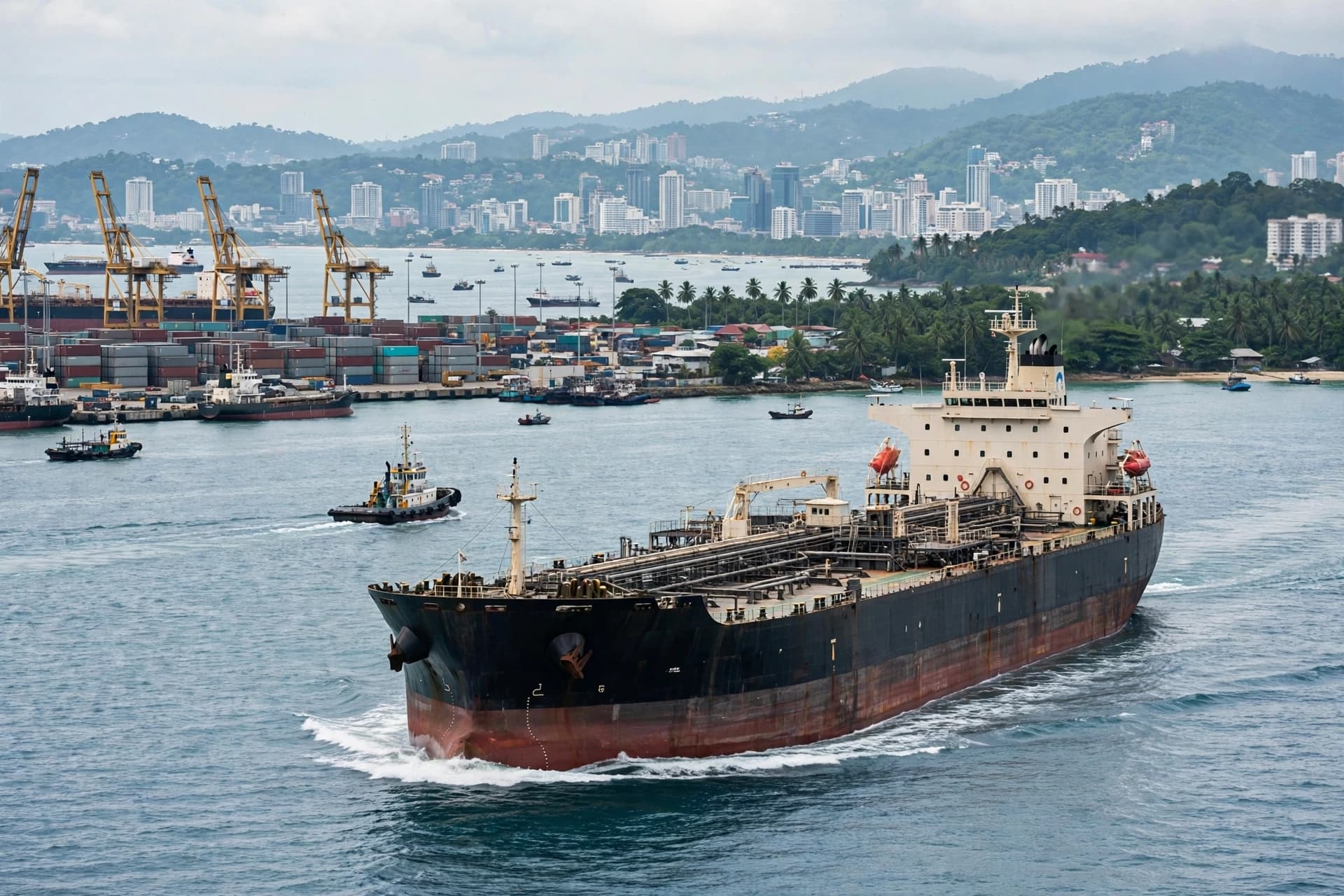
AI Image Disclaimer: These visuals were created using AI as conceptual representations of Indonesia's high-speed railway infrastructure and are not photographs of actual Whoosh operations.
Sources: Reuters PT Kereta Cepat Indonesia China Danantara
Published by Banx Network. This article is part of the Banx decentralized media programme, powered by the BXE token on the XRP Ledger.