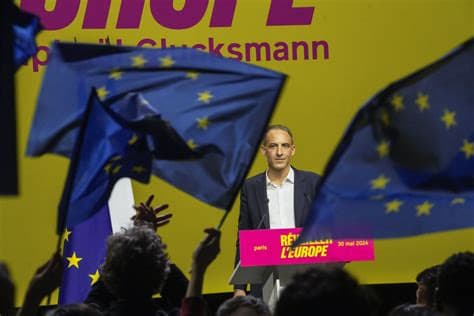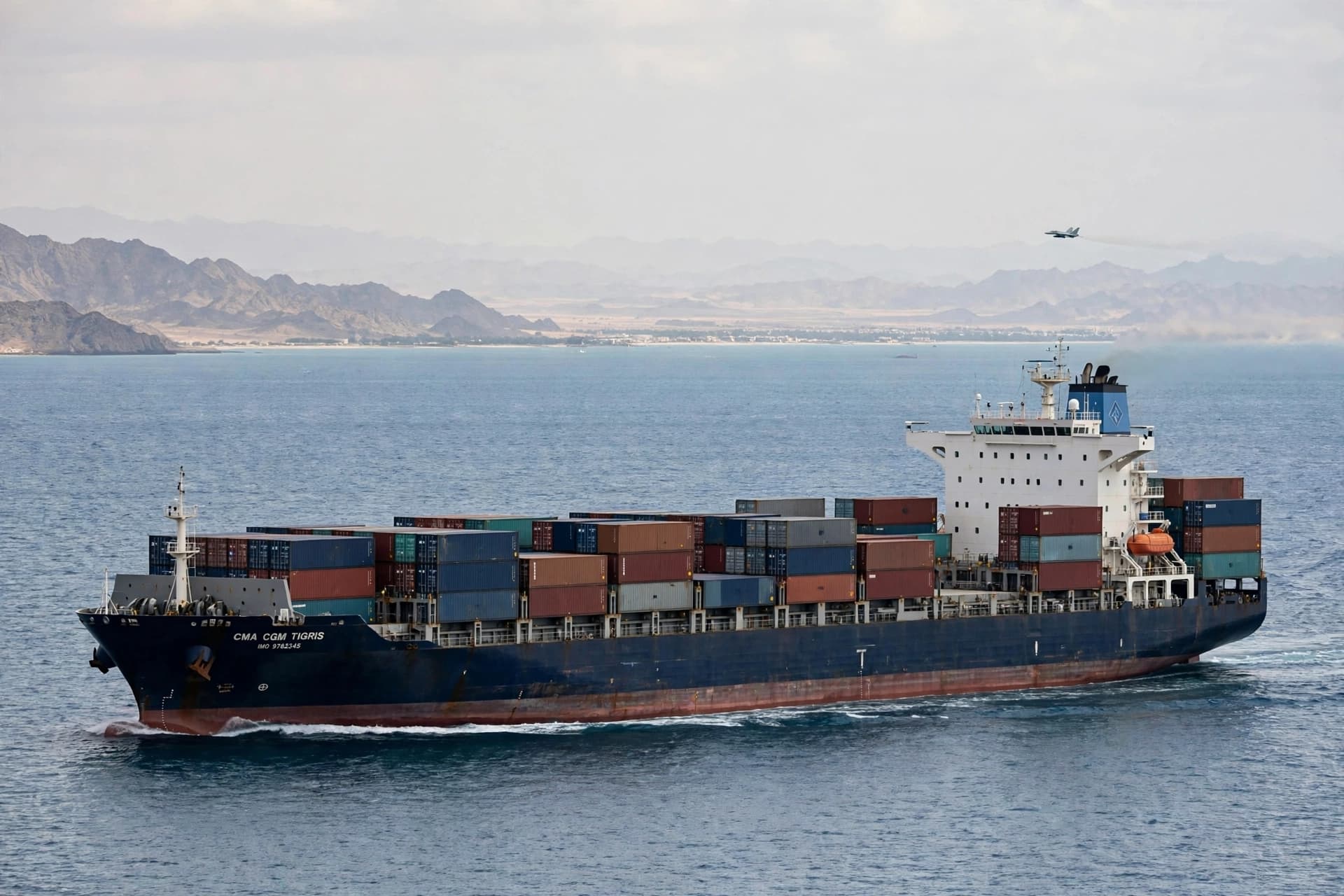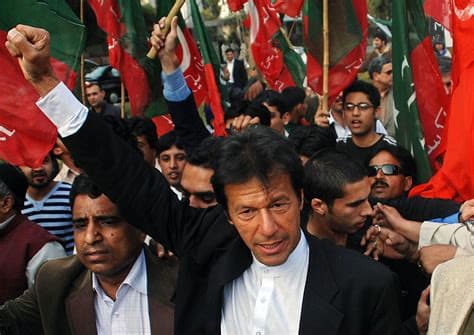
In the corridors of Brussels just days before a long-anticipated signing in South America, the European Commission is ramping up pressure on France to move past its objections to the European Union-Mercosur trade agreement and allow the deal to proceed this week. The pact, spanning more than 25 years of negotiation with Argentina, Brazil, Paraguay and Uruguay, would create one of the bloc’s largest free-trade zones, but French resistance has become the newest flashpoint in an already complex process of European integration and global commerce.
At the center of the dispute is Paris’s decision to seek a delay in the vote by EU member states on authorizing the agreement, arguing that conditions are not yet sufficient to protect French agricultural interests and that vital safeguards and reciprocity clauses have yet to be finalized. French officials have said they want stronger mechanisms to ensure that South American imports uphold equivalent environmental and agricultural standards and do not destabilize domestic markets.
The European Commission, for its part, has stressed the urgency of concluding the deal before the end of the year, citing not only economic benefits but also broader geoeconomic and geopolitical considerations in a shifting global trade landscape. Commission officials argue that failing to seal the pact could undermine the EU’s credibility as a reliable trading partner — especially as it faces competition from U.S. and Chinese trade initiatives in Latin America and beyond.
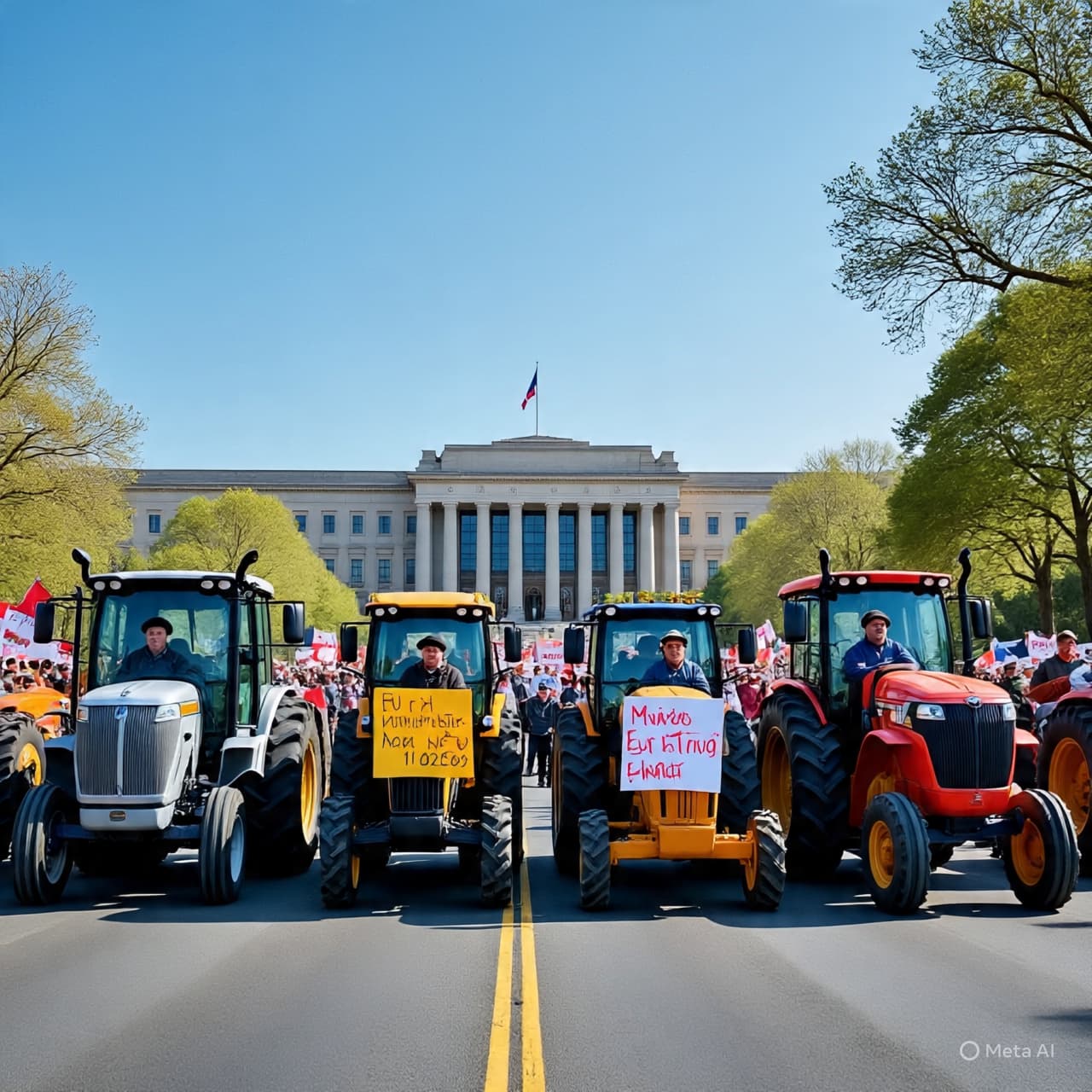
France’s objections have resonated beyond its borders: farmers’ protests have spread across several EU capitals, with tractors blockading roads and unions demanding firmer protections for European agriculture. Similar concerns have been voiced by other member states, including Poland and Hungary, while countries such as Belgium and Austria contemplate abstention, and Italy’s position remains undecided.
In response to the mounting tensions, EU lawmakers this week voted to tighten controls on agricultural imports under the Mercosur framework, lowering thresholds for triggering safeguard investigations and shortening the time frame for action, moves aligned with the broader push to reassure sceptical constituencies.
For the Commission, the challenge is two-fold: preserving unity within the EU while safeguarding one of its most ambitious external trade agreements. A successful signing in Foz do Iguaçu, Brazil, where the Mercosur summit is scheduled later this month, would mark a landmark in EU trade policy, promising expanded access for European exporters and deeper ties with Latin America. Yet the very act of concluding what many leaders see as a historic accord now hinges on bridging internal divisions at a moment when solidarity and strategic clarity are in short supply.
The pressure on Paris reflects more than a struggle over market access — it underscores the delicate balance between national interests and collective European action. As officials and farmers, diplomats and critics weigh the future of this pact, the outcome could shape the bloc’s trade diplomacy for years to come.
AI Image Disclaimer Visuals are created with AI tools and are not real photographs; they are intended for conceptual representation only.
Sources (News)
• Euronews — European Commission turns up pressure on France over Mercosur deal
• Reuters — France seeks to delay Mercosur trade deal vote amid farmer protests
• Reuters — EU lawmakers seek to tighten controls on Mercosur farm imports
• AP News — EU likely to delay free-trade deal with South America as French farmers block roads
• Brussels Times — Mercosur: European Commission hopes to sign trade deal by the end of the year
Published by Banx Network. This article is part of the Banx decentralized media programme, powered by the BXE token on the XRP Ledger.