Some industries shape the future not through what consumers see, but through what they make possible. The semiconductor sector belongs to that category. Hidden inside servers, smartphones, vehicles, and advanced computing systems, chips serve as the building blocks of modern technology. In 2026, semiconductor manufacturers continue expanding production capacity as demand associated with artificial intelligence remains a major growth driver.
The rapid adoption of AI technologies has increased demand for advanced processors, memory products, and specialized computing components. Companies building data centers, cloud platforms, and intelligent applications require larger volumes of hardware than ever before, encouraging chipmakers to increase production capabilities.
New manufacturing facilities are being developed across multiple regions. These projects often involve significant investment and years of planning, reflecting the long-term nature of semiconductor production. Industry leaders view expanded capacity as essential for supporting future technological growth.
Artificial intelligence remains one of the most influential factors shaping demand. Training and operating sophisticated AI models require powerful hardware, creating opportunities for manufacturers throughout the semiconductor supply chain. This trend continues encouraging investment in research, production, and infrastructure.
The industry is also pursuing technological improvements. New chip designs focus on increasing performance while improving energy efficiency. Such advancements are particularly important as computational requirements continue expanding across industries.
Supply chain resilience remains a priority. Companies are working to strengthen sourcing strategies, improve manufacturing flexibility, and ensure reliable delivery of critical components to customers worldwide. These efforts reflect lessons learned from previous periods of market disruption.
Governments and economic development agencies have shown interest in supporting semiconductor investment. Manufacturing facilities contribute to employment, innovation, and broader economic activity, making the industry strategically significant in many regions.
Analysts suggest that demand associated with artificial intelligence could remain strong for years to come. As organizations continue integrating intelligent systems into operations, the need for advanced semiconductor products is expected to grow alongside technological adoption.
For the semiconductor industry, capacity expansion represents both preparation and opportunity. The factories being built today may help power the next generation of digital innovation, quietly supporting technologies that continue reshaping how businesses and societies operate.
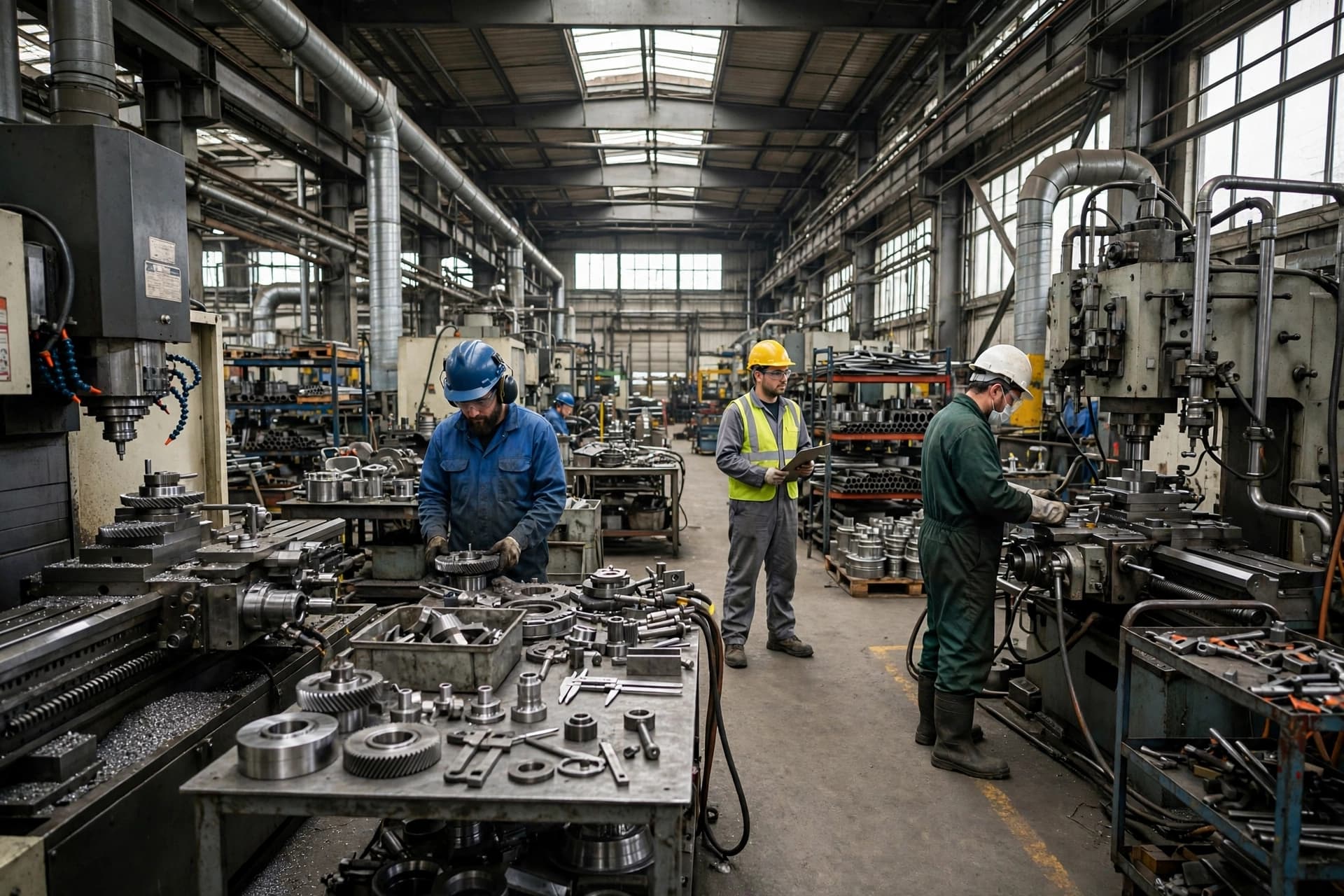
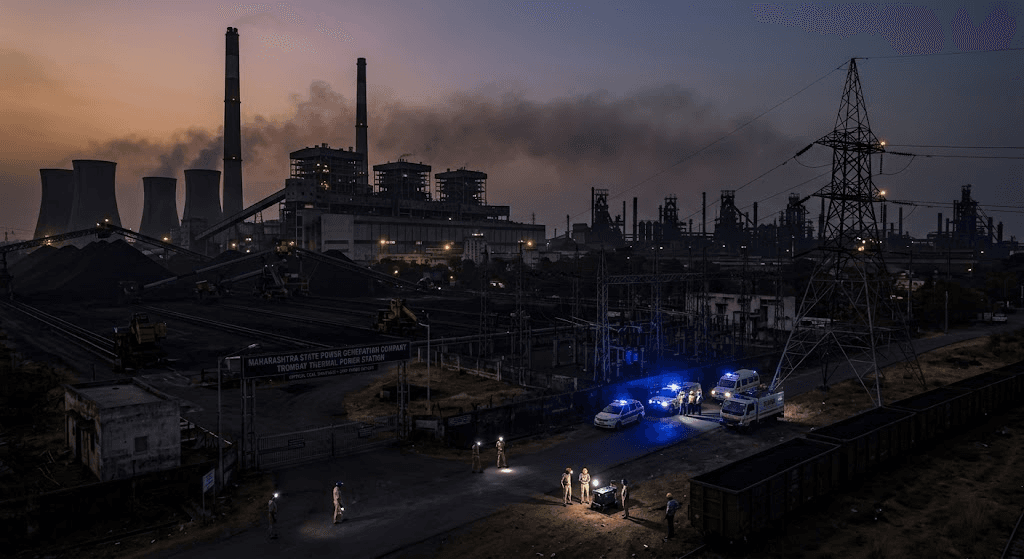
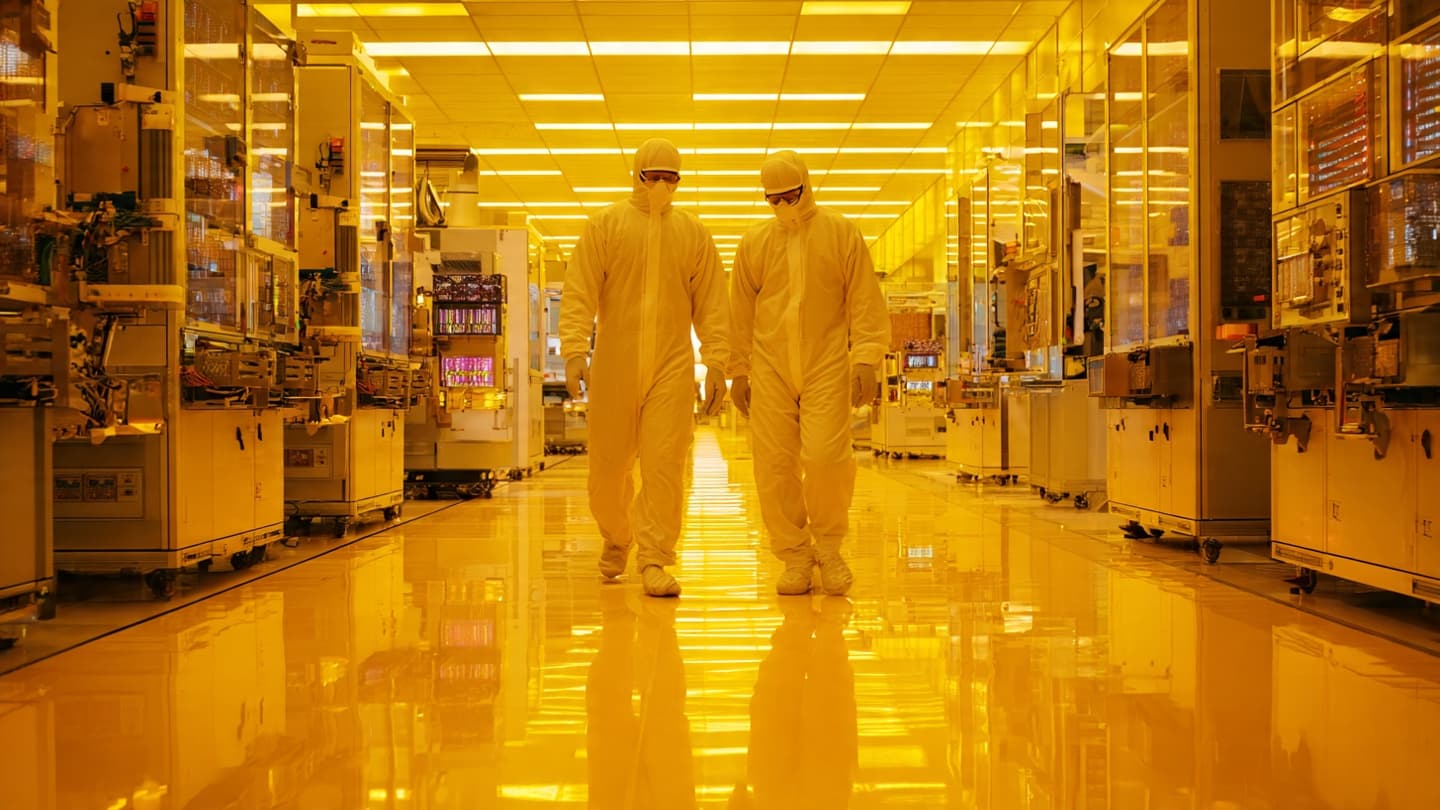
AI Image Disclaimer: Images in this article are AI-generated illustrations, meant for concept only.
Sources: Reuters, Bloomberg, Financial Times, CNBC, Semiconductor Engineering.
Published by Banx Network. This article is part of the Banx decentralized media programme, powered by the BXE token on the XRP Ledger.