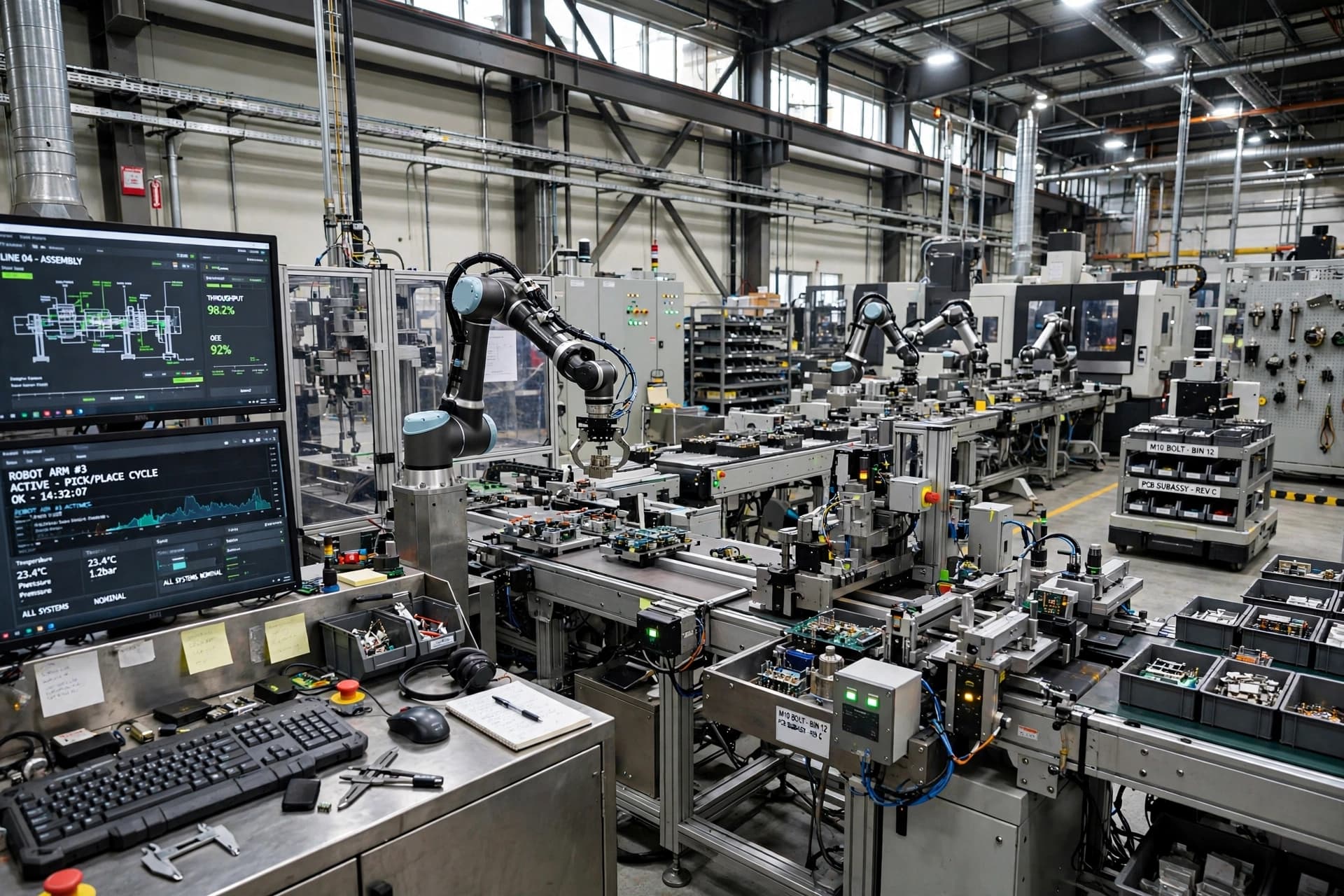
In industrial parks and repurposed warehouses, the lights no longer dim at night. Rows of servers hum steadily, processing language, images, and predictions at a pace that feels almost weightless. Artificial intelligence has become a symbol of speed, its advances measured in months rather than decades. Yet beneath this digital acceleration lies a slower, heavier reality: the physical work of producing electricity still moves on an older clock.
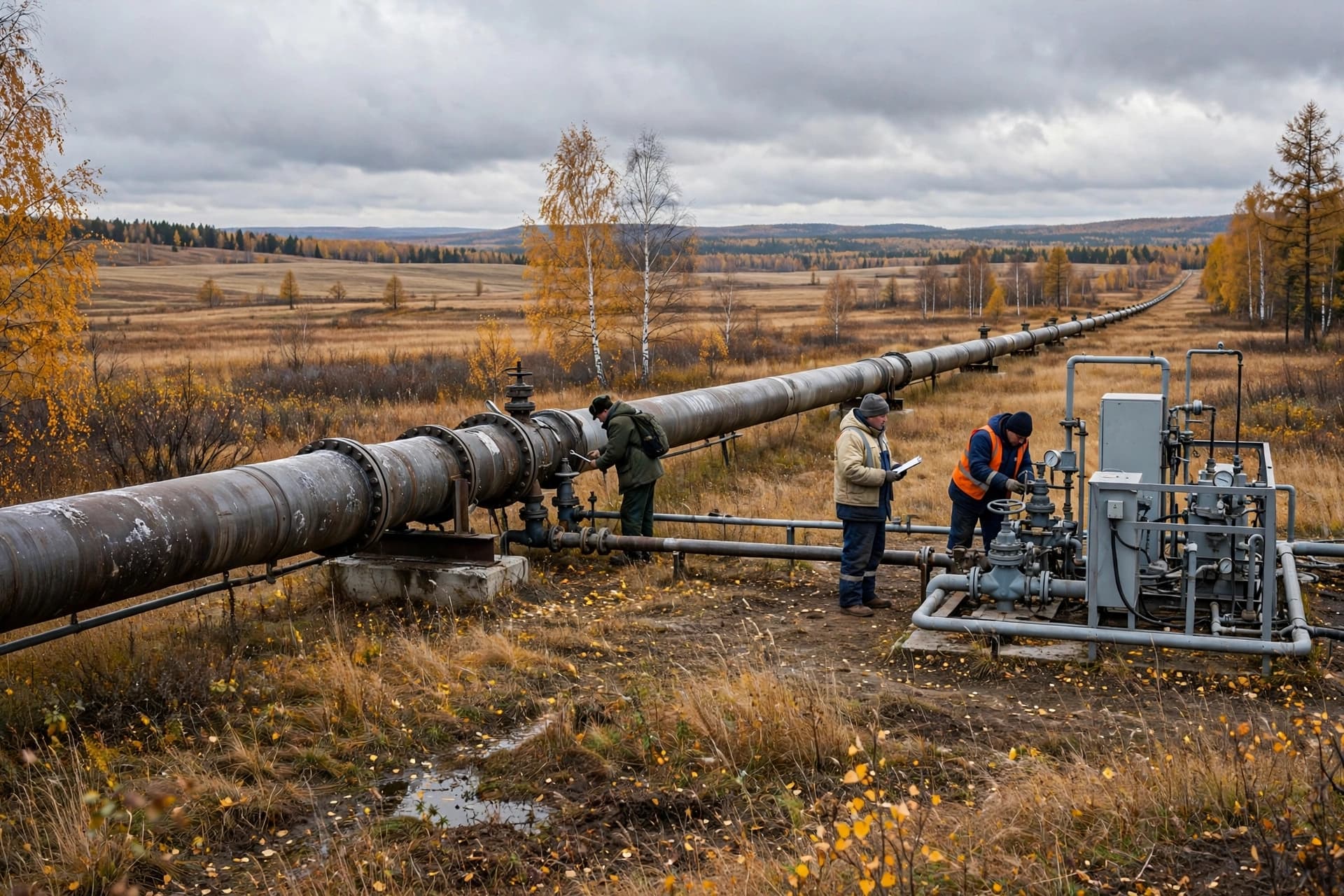
During the Trump era, natural gas was frequently framed as the most practical fuel to meet rising power demand, including the surge driven by data centers and emerging AI infrastructure. Gas plants, supporters argued, offered reliability and scale, capable of delivering large volumes of electricity when wind and sunlight could not. In policy speeches and industry discussions, gas was cast as a bridge between ambition and feasibility, a way to keep the grid stable while technology raced ahead.
But building those bridges is neither quick nor simple. New gas-fired power plants require years of planning, permitting, financing, and construction. Developers must secure land, navigate environmental reviews, line up long-term fuel contracts, and connect facilities to transmission networks that are already under strain. Even in regions friendly to fossil fuel development, timelines often stretch well beyond initial projections, shaped by legal challenges, supply chain constraints, and local opposition.
This mismatch between digital demand and physical supply has become more visible as AI adoption accelerates. Data centers draw immense and continuous amounts of power, often comparable to small cities. Utilities and grid operators acknowledge that meeting this demand is less about ideology than sequencing. Servers can be installed in months; turbines, boilers, and pipelines cannot. The result is a growing tension between what technology companies expect and what the energy system can realistically deliver.
Natural gas itself is not immune to uncertainty. While abundant in the United States, its price has fluctuated sharply in recent years, influenced by global markets, export demand, and extreme weather. Relying heavily on gas to power AI infrastructure exposes consumers and utilities alike to these swings, even as policymakers emphasize affordability and reliability. The promise of quick, flexible power often collides with the slower economics of large-scale construction and long-term fuel commitments.
At the same time, alternatives face their own limits. Renewable energy continues to expand rapidly, but storage and transmission remain bottlenecks, particularly for facilities that cannot tolerate interruptions. Nuclear power, frequently mentioned as a long-term solution for data centers, involves even longer development horizons. In this landscape, gas appears less as a fast fix and more as a familiar option constrained by time.
As the conversation around AI and energy deepens, the focus is gradually shifting from slogans to schedules. Powering the next generation of computing will require not just fuel choices, but coordination across planning agencies, utilities, and communities. The grid must grow deliberately, even as demand surges impatiently ahead.
For now, the servers continue their quiet work, drawing electricity from systems built for an earlier era. The push to expand gas-fired generation reflects an attempt to keep pace, but it also reveals a fundamental truth. However fast intelligence may become, the infrastructure that sustains it still moves at the speed of permits, steel, and years.
AI Image Disclaimer Visuals are AI-generated and serve as conceptual representations.
Sources (Media Names Only) Reuters Bloomberg The New York Times The Wall Street Journal Associated Press
Published by Banx Network. This article is part of the Banx decentralized media programme, powered by the BXE token on the XRP Ledger.