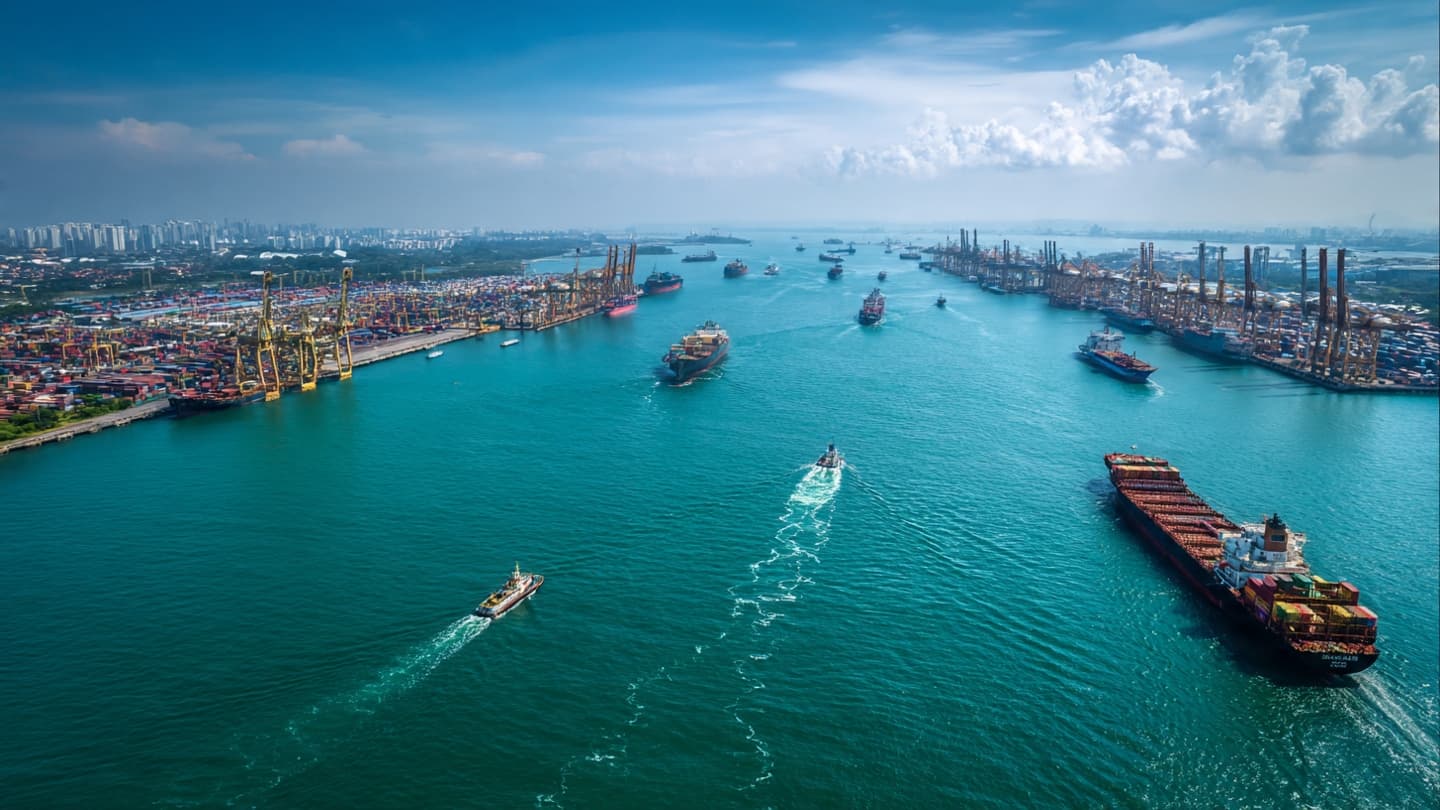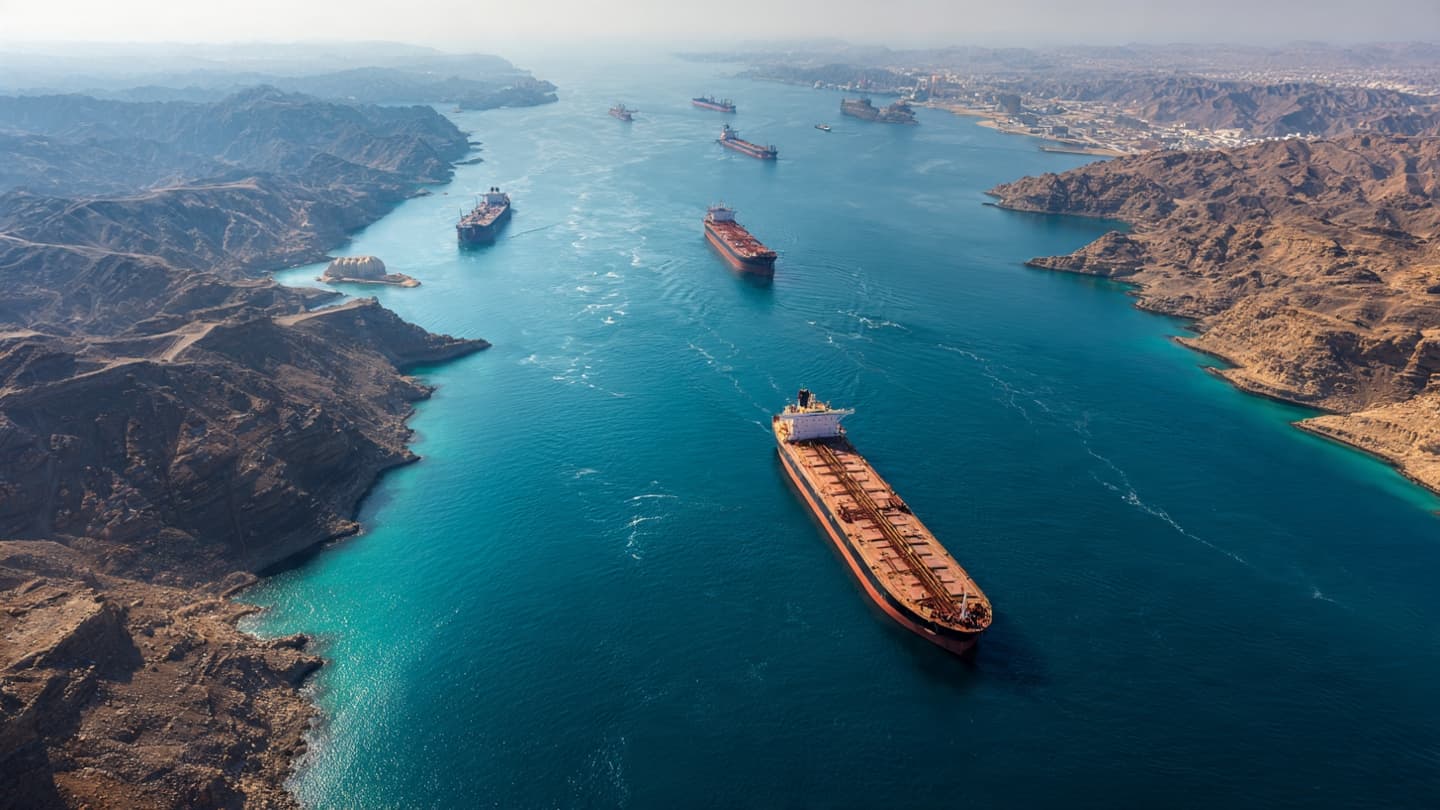
There are economies whose rhythms can be heard through ports, pipelines and the movement of ships across distant waters. In Iran, that rhythm has grown quieter in recent months as restrictions on oil exports increasingly reshape the flow of money and goods through the country.
Reuters reported that Iran is facing one of its most severe economic crises in years as a U.S.-led campaign has restricted oil exports, foreign-currency access and imports. The pressure has become increasingly visible across the country's commercial landscape.
Oil remains central to Iran's ability to generate foreign currency. With exports constrained, the country has fewer channels through which to obtain the dollars and other currencies needed to purchase goods from overseas and maintain international trade.
The effect reaches beyond the energy sector. When access to foreign currency becomes more limited, importers can face greater difficulty obtaining products, machinery and raw materials. That can gradually move through supply chains and into everyday commercial activity.
Recent shipping data have offered another indication of the change. Iranian crude loadings fell sharply from around 2 million barrels per day in March to roughly 220,000–255,000 barrels per day in August, according to industry data cited by Reuters.
The decline has also left more Iranian oil in floating storage around Asia. Tankers unable to move freely through regional waters have become part of a complicated logistical picture in which physical access to markets is increasingly important alongside the financial restrictions surrounding the trade.
For Iranian businesses, the pressure is therefore not limited to one commodity or one route. Restrictions affecting oil, finance and imports can reinforce one another, making ordinary commercial transactions more complicated and increasing the importance of alternative trading arrangements.
Inflation adds another layer. Reuters reported that the economic squeeze has contributed to shortages and rising prices, while the International Monetary Fund has projected exceptionally high inflation for Iran in 2026.
Yet the country's economy continues to function through remaining trade channels and domestic activity. Businesses and households have adapted to changing conditions, while authorities continue to emphasize economic reforms and efforts to maintain commercial activity despite restrictions.
For now, the central economic question remains how long Iran can sustain its existing trade and financial networks under increasingly limited oil revenues. The answer will depend on export flows, access to foreign currency and the ability of businesses to keep essential goods moving through a narrower international trading environment.
AI Image Disclaimer: Visuals are AI-generated and serve as conceptual representations of Iran’s energy and commercial environment.
Sources: Reuters
Published by Banx Network. This article is part of the Banx decentralized media programme, powered by the BXE token on the XRP Ledger.