Scientific revolutions are rarely sudden. More often, they arrive as a steady accumulation of observations, each one adding a new thread to humanity's understanding of the cosmos. Researchers now believe the expanding Rubin sky survey may soon usher in such a period of extraordinary discovery.
Scientists around the world are preparing for an unprecedented flow of astronomical information as the Vera C. Rubin Observatory expands its sky survey capabilities. The observatory is expected to produce one of the largest datasets in the history of astronomy.
The Legacy Survey of Space and Time will repeatedly map the southern sky over a ten-year period. During this mission, the observatory is expected to catalog billions of galaxies, stars, and solar system objects.
Researchers anticipate that the survey will dramatically increase the discovery rate of transient events. Exploding stars, variable stars, gravitational lensing phenomena, and previously unknown asteroids may all be detected in far greater numbers than ever before.
Managing such enormous quantities of data presents significant technological challenges. Advanced computing systems, artificial intelligence, and machine learning algorithms will play central roles in processing and analyzing observations.
International scientific collaborations have already established extensive networks to prepare for incoming alerts generated by the observatory. Universities and research institutions worldwide are developing specialized software and observational strategies.
Astronomers emphasize that many future discoveries cannot yet be predicted. Historically, new observational tools have often revealed entirely unexpected phenomena, expanding scientific understanding in unforeseen ways.
The Rubin Observatory's open-data philosophy is also expected to broaden participation in astronomy. Researchers, students, and citizen scientists may all contribute to analyzing the immense archive of observations.
As preparations continue, the astronomical community views the survey not simply as a scientific project, but as a long-term exploration of a dynamic universe still rich with mystery.
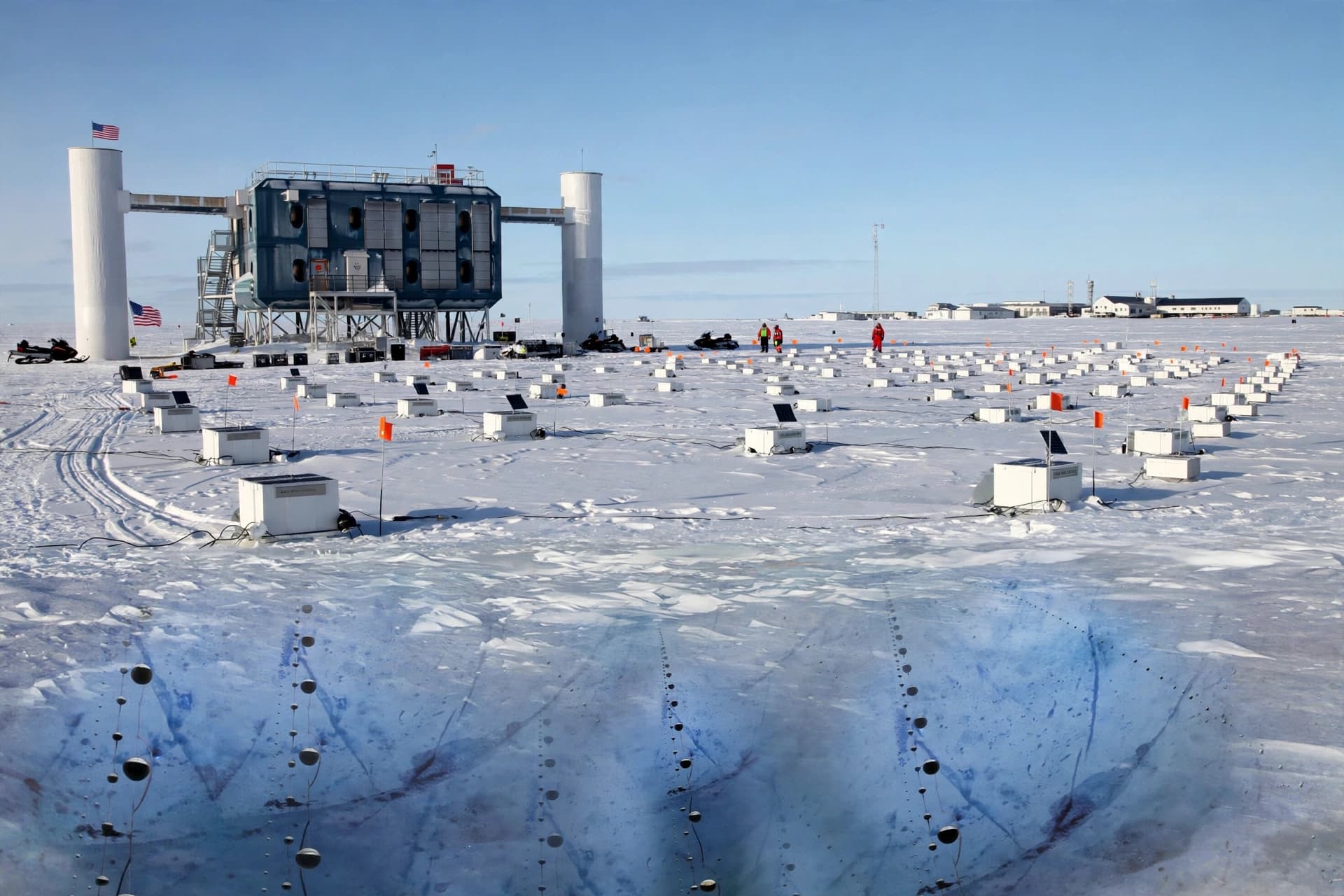
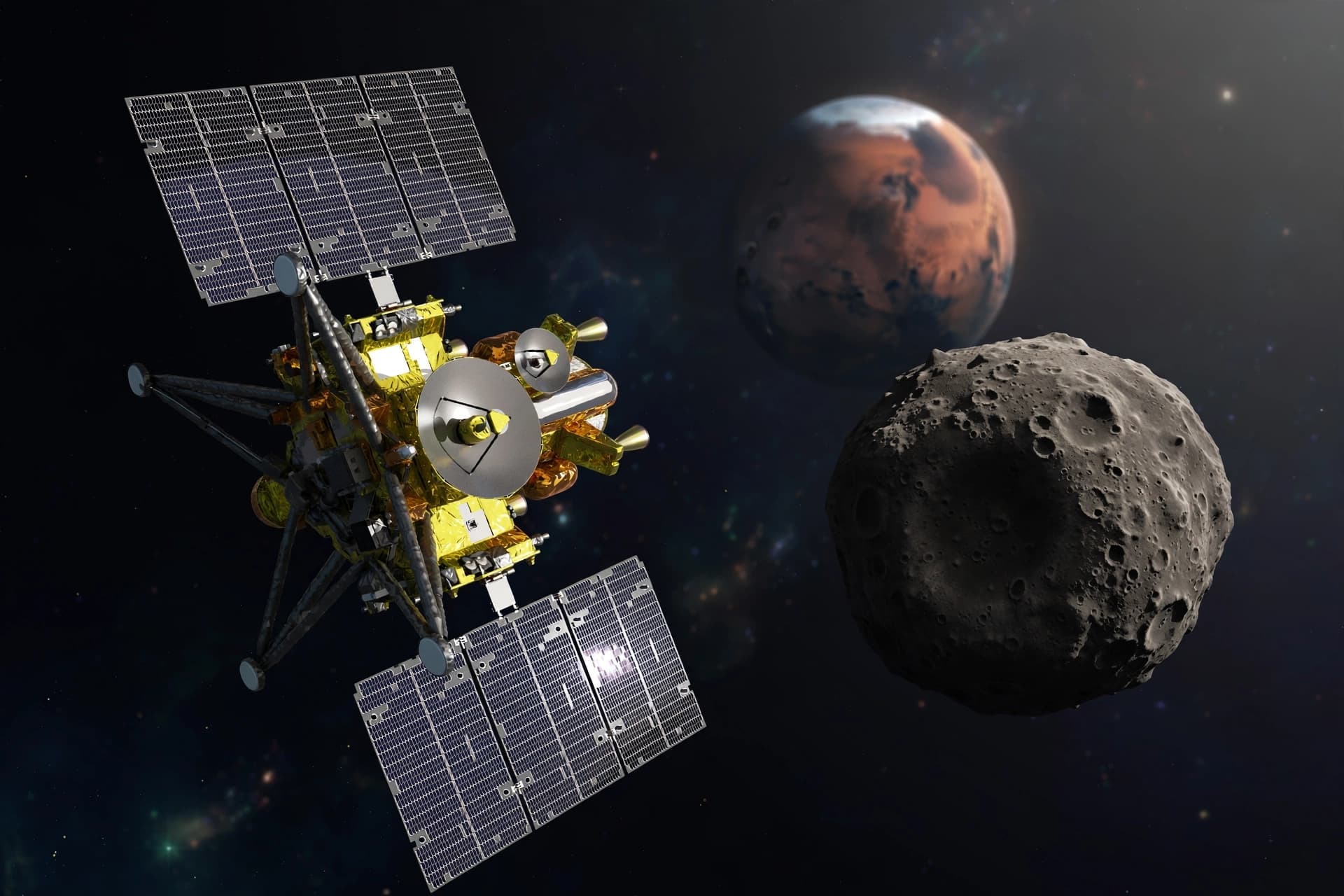
AI Image Disclaimer: Visual materials accompanying this article are AI-generated representations created for contextual illustration.
Sources Verified: Vera C. Rubin Observatory, Brookhaven National Laboratory, National Science Foundation, Reuters
Published by Banx Network. This article is part of the Banx decentralized media programme, powered by the BXE token on the XRP Ledger.