Article In many homes, the hum of electricity has long been an unnoticed companion, as steady and reliable as the sunrise. Lights flick on without ceremony, appliances whir without complaint, and the monthly bill arrives as a quiet routine. Yet lately, that familiar rhythm has shifted. The numbers printed on those envelopes feel heavier, and the silence around them has begun to break, carrying questions that drift beyond kitchens and living rooms into public squares and political halls.
Electricity costs have been rising for a mix of reasons that are as layered as the grids that deliver power. Global fuel markets have fluctuated, infrastructure has aged, and investments in cleaner energy have required upfront spending. Utilities point to weather extremes that strain systems and to long-delayed maintenance finally coming due. For households, however, these explanations often compress into a single experience: paying more for something that feels essential and unavoidable.
As bills rise, electricity has slipped from being a background service into a subject of conversation. Community meetings, local radio shows, and social media threads echo with stories of families adjusting routines, businesses recalculating expenses, and seniors worrying about fixed incomes. The issue does not arrive with ideological banners; it enters softly, through lived experience, and gathers attention because it touches nearly everyone.
Political leaders have begun to respond, some cautiously, others more directly. Proposals range from temporary bill relief and subsidies to deeper discussions about market regulation and energy policy. In legislative chambers, electricity is no longer discussed only in technical terms but as a cost-of-living pressure alongside housing, food, and healthcare. The language remains careful, often framed around balance: supporting infrastructure and climate goals while easing the burden on consumers.
What makes electricity different from many other economic concerns is its invisibility. Wires are hidden, power plants sit far from daily life, and yet the impact is immediate when costs rise. This gap between unseen systems and visible bills has made the issue politically delicate. Policymakers are pressed to explain complex supply chains in plain language, while voters weigh promises against the reality of their monthly statements.
There is also a broader undercurrent shaping the debate. Transitions toward cleaner energy, once discussed mainly in long-term horizons, are now intersecting with short-term affordability. Supporters emphasize resilience and future savings, while critics question timing and cost distribution. Between these positions lies a public conversation that is still forming, cautious in tone but persistent in presence.
As the discussion continues, electricity costs remain less a rallying cry than a steady murmur that refuses to fade. It is a topic shaped by spreadsheets and power lines, but also by daily habits and quiet anxieties. How leaders respond may not hinge on dramatic speeches, but on whether the lights stay on without forcing households to rethink what comfort they can afford.
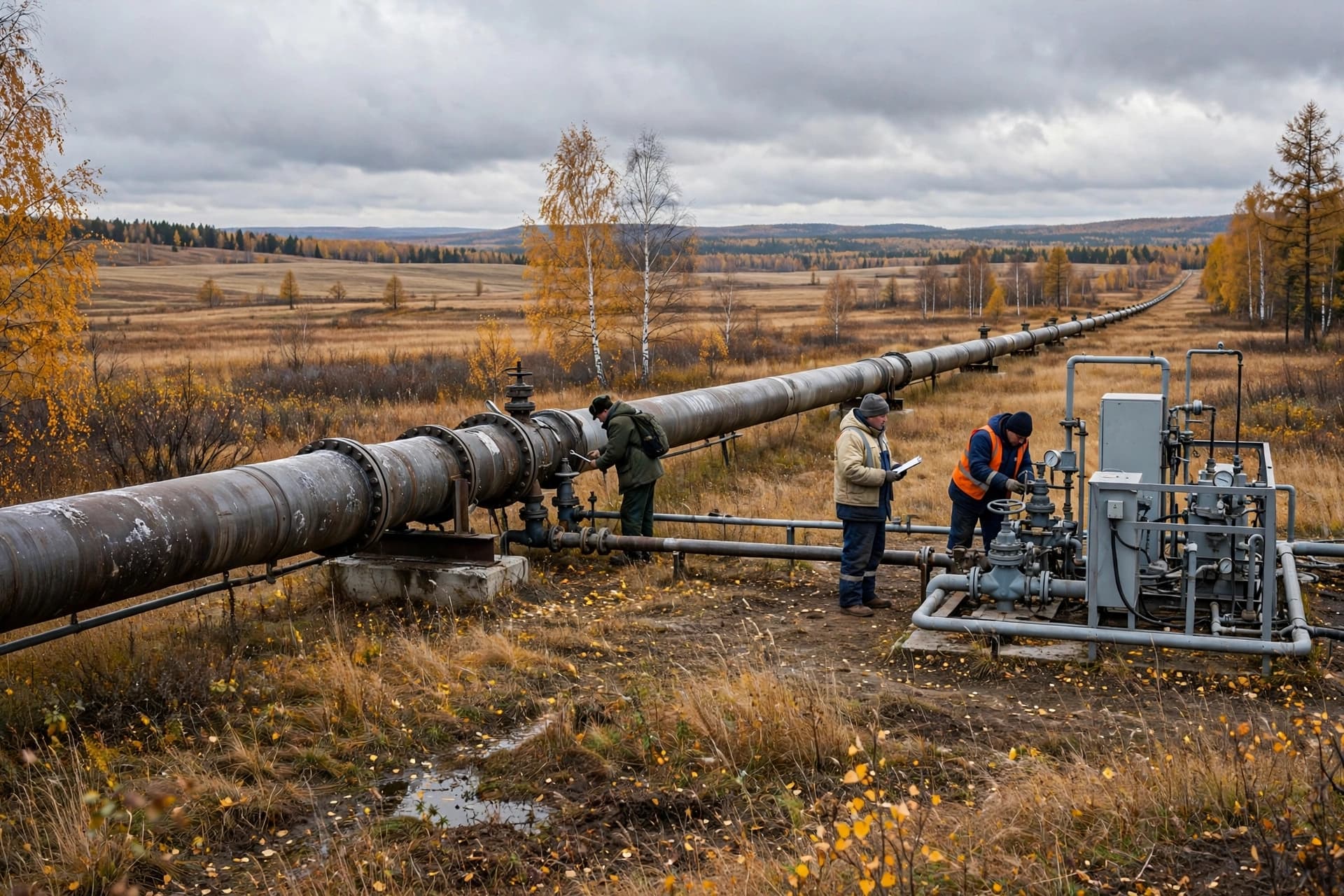
AI Image Disclaimer Illustrations were produced with AI and serve as conceptual depictions rather than real photographs.
Sources The New York Times, The Washington Post, Reuters, Bloomberg, The Wall Street Journal
Published by Banx Network. This article is part of the Banx decentralized media programme, powered by the BXE token on the XRP Ledger.