In the hush of a cold, northern German morning, delegates of European nations gathered under winter skies in the city of Bremen. There, at the meeting halls of the European Space Agency (ESA), they inked a promise — a promise cloaked in cosmic ambition, but grounded in earthly urgency. The continent’s space strategy, long overshadowed by distant rockets and foreign giants, is being reborn with a bold breath.
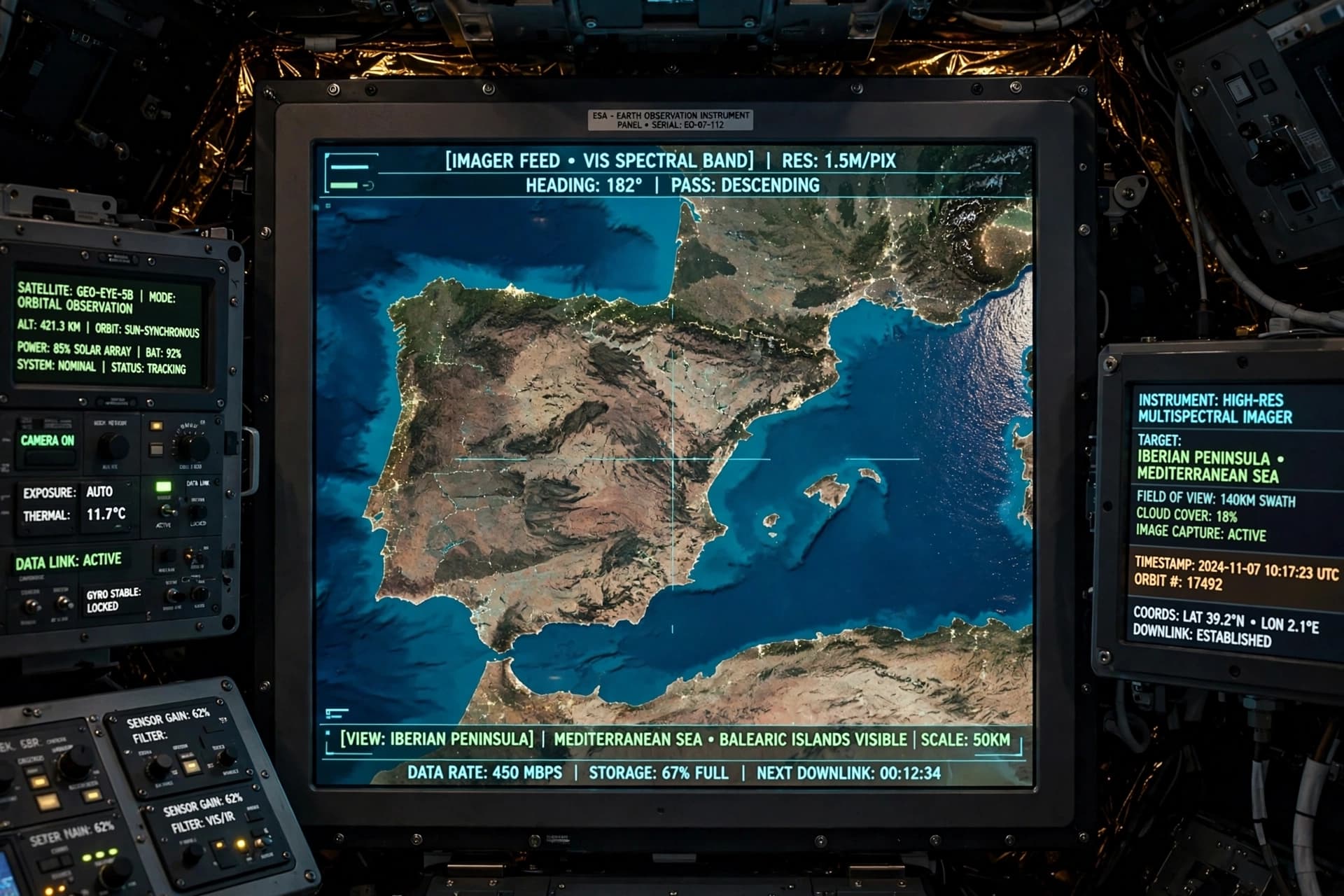
Europe has just approved a record-breaking budget of €22.1 billion for the next three years, a commitment that signals both hope and caution. This amount — nearly €5 billion more than the previous cycle — will pour into science missions, secure communications, Earth observation, and crucially, launch-vehicle development. Among the largest allocations is €4.4 billion dedicated to space transportation — a clear nod to Europe’s desire to reclaim independent access to orbit, once threatened by shifting alliances and rising private competitors.
At the same time, the budget includes funding for dual-use and defence-oriented space infrastructure. This reflects a growing recognition that — in an era of global volatility — space is as much a domain of security and sovereignty as of discovery and exploration.
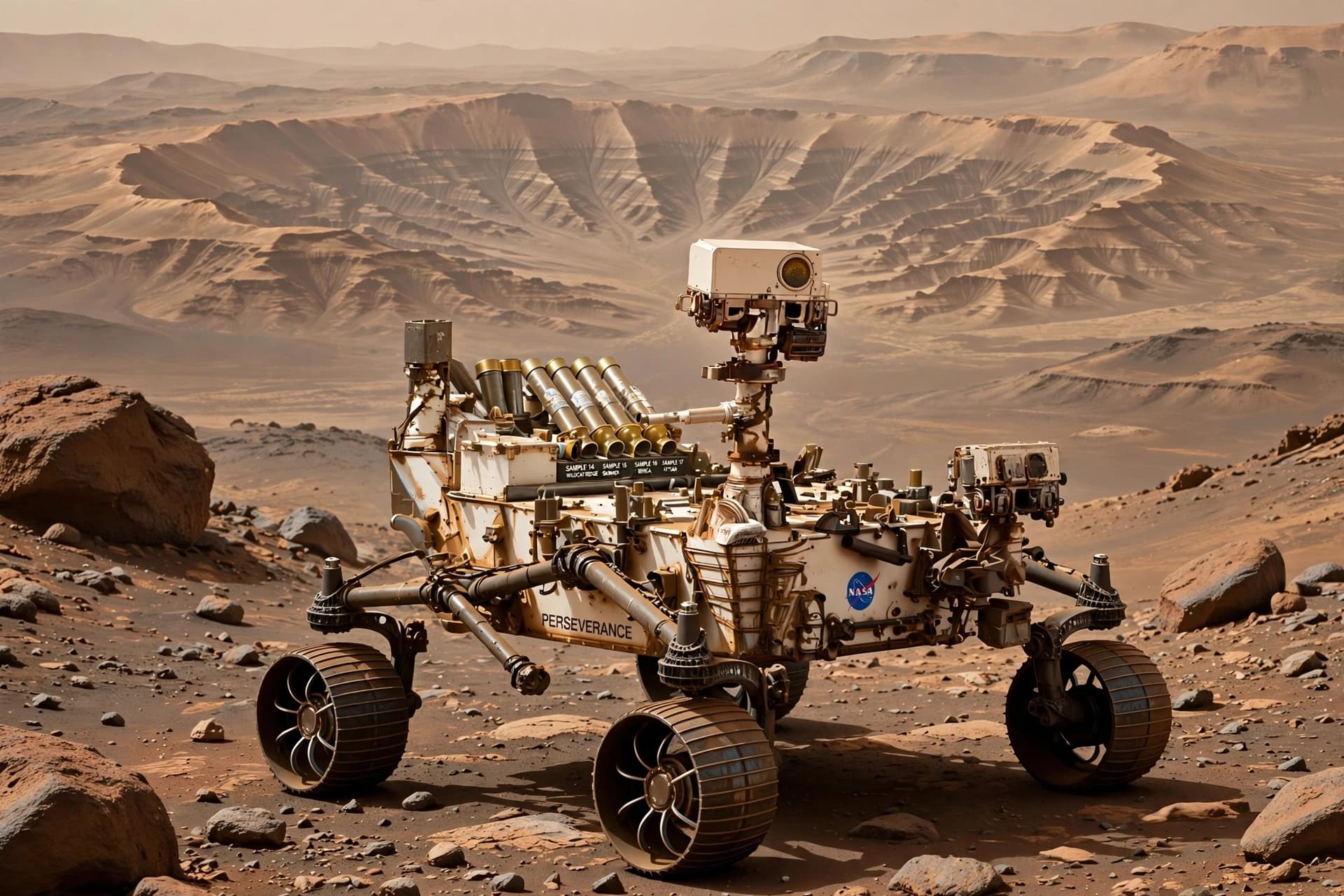
Yet, across the Atlantic, the picture sharpens with concern. The NASA — the former unrivaled giant of space exploration — is facing substantial cuts. Its proposed 2026 funding, under the current U.S. administration, drops sharply compared to 2025 levels. That retrenchment threatens several joint projects between NASA and ESA, raising uncertainty for many collaborative missions.
In this shifting landscape, Europe appears determined to carve its own path. By increasing investment in science, infrastructure, and launch capacity, ESA aims not just to follow the global space race — but to lead parts of it. For Europe, the new budget is not just about rockets and satellites. It’s about autonomy, resilience, and a vision for a future where European citizens can look to the skies and see their own mirror reflected back.
But the road ahead is fraught: ambitions must balance political, budgetary, and technological realities. Collaboration with partners like NASA may become more complex, yet the need for independent capabilities — in communications, security, climate monitoring — grows more urgent.
In the weeks and months ahead, the votes cast in Bremen will begin to manifest as spacecraft, satellites, launchers, and missions. For Europe, it may mark the beginning of a renewed ascent — a steady climb toward the stars, on its own terms.
AI image disclaimer: Visuals are created with AI tools and are not real photographs.
Sources: Space.com, Reuters, AP News, Deutsche Tageszeitung, Brussels Signal
Published by Banx Network. This article is part of the Banx decentralized media programme, powered by the BXE token on the XRP Ledger.