Scientific discovery has often advanced through specialization, with researchers dedicating years to understanding increasingly narrow fields of study. Yet many of today's greatest challenges—ranging from climate change to disease research—cross traditional disciplinary boundaries. A newly developed artificial intelligence model aims to help bridge those divides.
Researchers have introduced an AI system known as LOGOS, described as a foundation model designed to support scientific inquiry across multiple domains. Unlike highly specialized systems, LOGOS seeks to integrate information drawn from diverse scientific disciplines.
The model has been developed to process and analyze complex datasets originating from fields such as biology, chemistry, physics, and Earth sciences. Scientists hope that this broader approach could reveal connections that might otherwise remain hidden.
Modern research produces enormous quantities of information each day. Academic papers, experimental results, simulations, and observational records accumulate at a pace that increasingly challenges traditional methods of analysis. Artificial intelligence offers one potential solution by rapidly identifying patterns within large datasets.
Developers of LOGOS emphasize that the system is intended to assist researchers rather than replace them. Human expertise remains essential for interpreting findings, designing experiments, and validating conclusions derived from AI-assisted analysis.
The emergence of foundation models tailored for scientific applications reflects a broader trend in research. Universities, government laboratories, and private institutions are investing heavily in AI technologies capable of accelerating discovery.
However, experts also caution that transparency, reproducibility, and data quality remain important considerations. Scientific AI systems must be rigorously tested to ensure reliability and avoid introducing errors into research workflows.
As artificial intelligence becomes increasingly integrated into laboratories worldwide, systems such as LOGOS may help researchers navigate scientific complexity while opening new avenues for interdisciplinary collaboration.
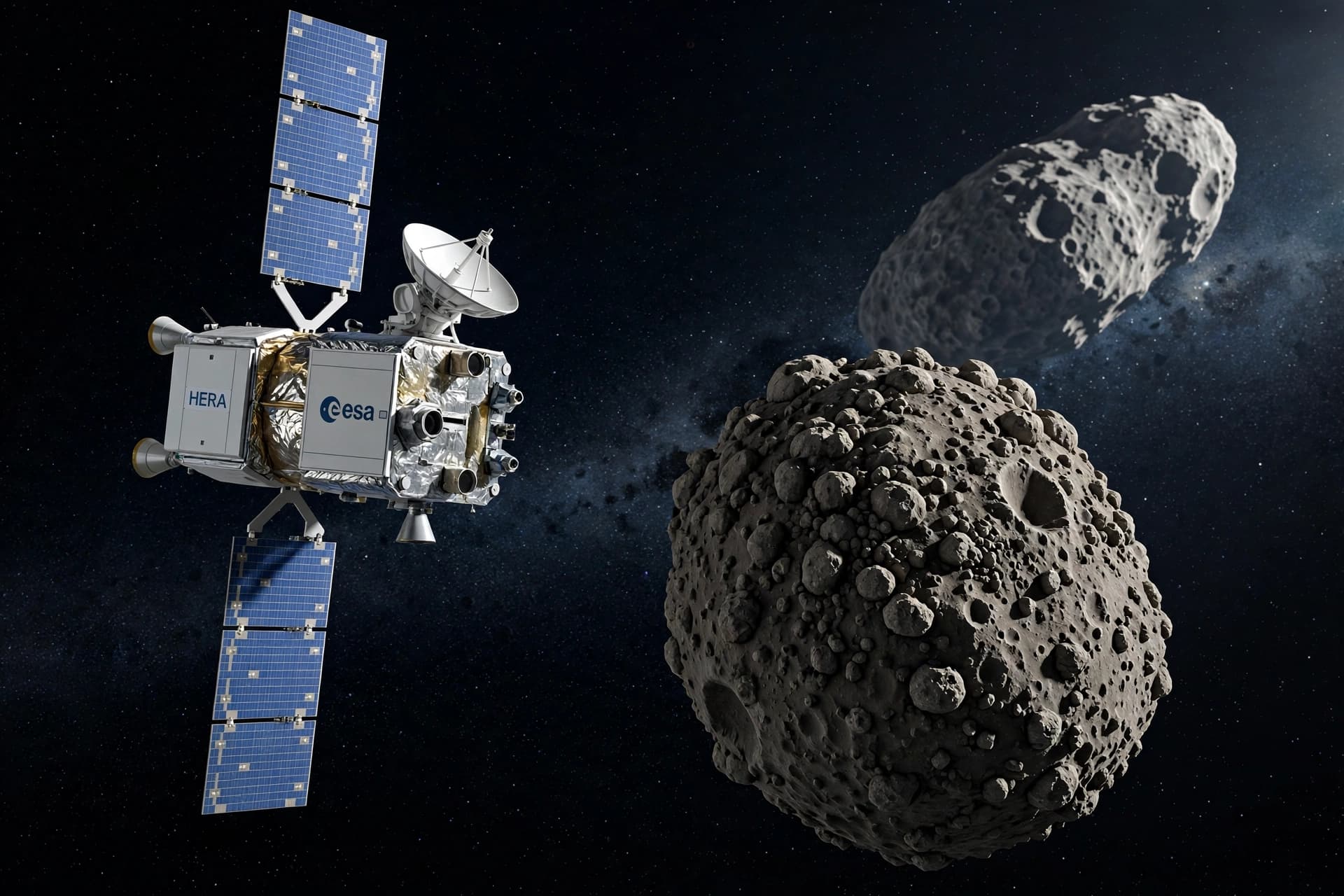
AI Image Disclaimer: Illustrations accompanying this article are AI-generated conceptual visuals intended to represent scientific and technological themes.
Source Verification Check: arXiv, Reuters, Nature, Science Magazine, MIT Technology Review
Published by Banx Network. This article is part of the Banx decentralized media programme, powered by the BXE token on the XRP Ledger.