Oil markets often move according to a rhythm that is difficult to hear until something interrupts it. Tankers leave ports, refineries plan months ahead, and traders quietly calculate the next cargo. In Asia, where Iranian crude has long formed part of the supply mix, that rhythm has recently become less predictable.
Iran’s oil exports have fallen sharply as maritime restrictions disrupt shipments through the Strait of Hormuz. Reuters reported that Iranian crude loadings dropped to roughly 220,000–255,000 barrels per day in August, compared with substantially higher levels earlier in the year. (reuters.com)
The decline matters particularly to China, which has remained Iran’s principal buyer. Independent Chinese refiners have historically purchased Iranian crude because discounted barrels offered an economically attractive alternative to other supplies. But reduced availability is now forcing those refiners to examine different sources of crude. (thejakartapost.com)
Iran’s traditional shipping network has also become more complicated. Sanctions had already encouraged the use of intermediary companies and vessels operating outside conventional commercial channels. The current restrictions have added another layer of difficulty by limiting the ability of tankers to move through one of the world's most important oil corridors.
The Strait of Hormuz is particularly significant because it connects the Persian Gulf with the Gulf of Oman and the wider Indian Ocean. A large share of global seaborne oil trade normally passes through the waterway, meaning disruption there can affect not only Iranian exports but also the movement of crude and refined products from several Gulf producers.
For Iranian sellers, the challenge is therefore no longer simply finding a buyer. A cargo also needs a viable route, an available vessel, insurance arrangements and a payment mechanism. Each additional complication can increase the cost of the shipment and reduce the attractiveness of the cargo to potential customers.
Chinese refiners have responded by looking elsewhere. Reuters reported that major Chinese refiner Sinopec had extended purchases of Russian crude, adding pressure to the supply available for independent refiners that previously relied more heavily on Iranian barrels. (reuters.com)
The change is also affecting pricing. Iranian crude that once traded at substantial discounts has become more expensive to move, with some September and October cargoes offered at premiums to Brent, according to Reuters. Higher logistical and compliance risks are increasingly reflected in the price buyers must consider. (thejakartapost.com)
Global oil markets have several sources of flexibility, and a decline in Iranian exports does not automatically mean an equivalent shortage everywhere. Other producers can redirect cargoes, refiners can adjust their crude blends and traders can alter inventories. But the process takes time, particularly when the disruption involves shipping routes rather than production capacity alone.
For Iran, the immediate question is how long its export system can operate under these constraints. For Asian buyers, the calculation is equally practical: securing reliable crude has become a matter of balancing price, transportation and availability. In that changing equation, Iranian oil remains part of the global market—but its path toward buyers has become considerably less certain.
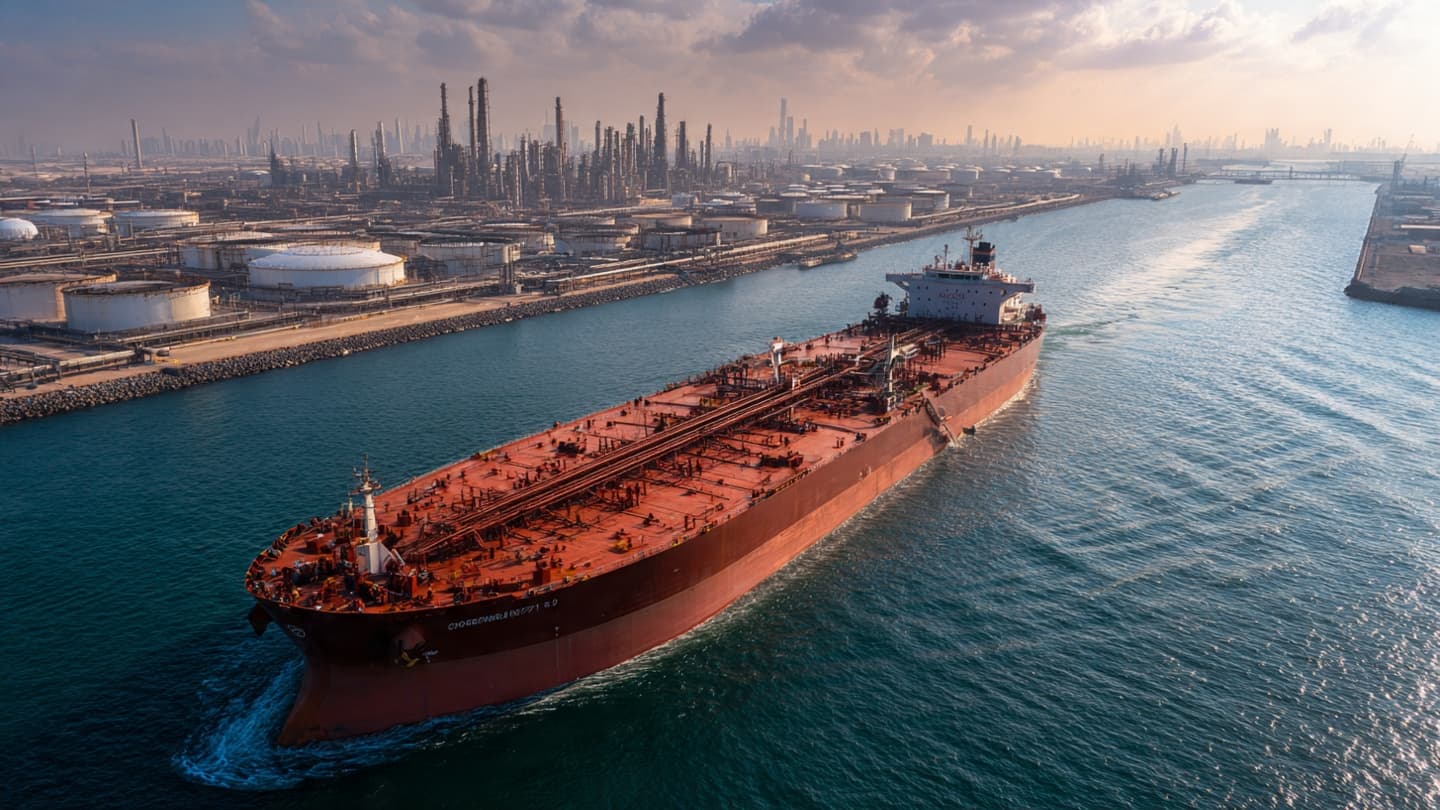
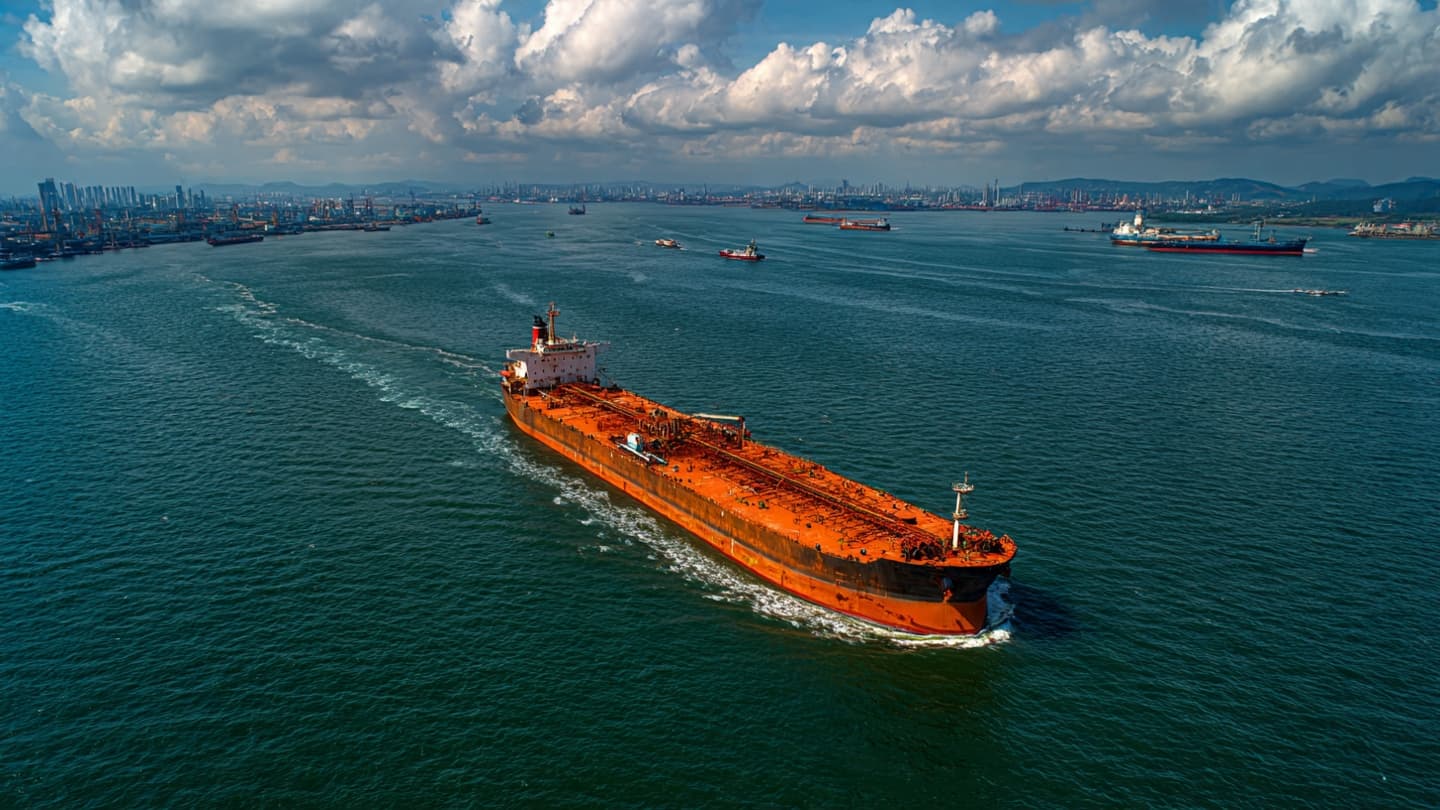
AI Image Disclaimer The visual illustrations below were created with artificial intelligence to provide contextual imagery for this article. They do not depict verified photographs of actual Iranian oil cargoes, vessels or market transactions.
Sources Reuters The Jakarta Post Kpler Vortexa
Published by Banx Network. This article is part of the Banx decentralized media programme, powered by the BXE token on the XRP Ledger.