There is a quiet confidence we place in the everyday things that line our shelves. Bottles, cans, packets sealed neatly, dated clearly, promising safety and longevity. They sit patiently in our kitchens, woven into routines so familiar they rarely invite scrutiny. Yet, as with many conveniences of modern life, their silence carries questions that surface only when we pause long enough to listen.
Food preservatives were born from a practical need: to slow decay, to protect against spoilage, to make nourishment more reliable in a world no longer bound to local harvests. Over time, they became invisible companions, doing their work discreetly in processed meats, baked goods, soft drinks, and packaged snacks. Scientific attention, however, has begun to linger on some of these compounds, not with alarmist urgency, but with careful curiosity about their long-term relationship with human health.
Certain preservatives such as nitrites and nitrates used in processed meats have been examined for how they behave once inside the body. Under specific conditions, they can form compounds known to damage cells, a process that research has linked to increased cancer risk, particularly in the digestive system. The concern is not rooted in a single meal or occasional indulgence, but in patterns of regular, cumulative exposure over years.
Other additives, including some emulsifiers and preservatives designed to extend shelf life, are being studied for their effects on metabolism. Emerging evidence suggests that frequent consumption of heavily preserved foods may influence insulin resistance and chronic inflammation, both of which play a role in the development of type 2 diabetes. These findings do not accuse preservatives in isolation, but place them within a broader dietary landscape dominated by ultra-processed foods.
What makes this discussion delicate is its nuance. Preservatives are not poisons by default, nor are they used recklessly without regulation. Many are approved within limits deemed safe by authorities. Yet science evolves, and with it, our understanding of how low-level exposure interacts with complex biological systems over time. The conversation, therefore, is less about fear and more about awareness.
As research continues, health experts often return to a familiar refrain: dietary patterns matter more than single ingredients. Diets centered on fresh, minimally processed foods naturally reduce exposure to preservatives while offering nutritional benefits that support metabolic health. Reading labels, diversifying food choices, and maintaining balance become small but meaningful acts of agency.
The story of preservatives is still being written, shaped by laboratories, long-term studies, and public health observation. What is clear for now is that the modern diet invites reflection. Not everything sealed for convenience is sealed from consequence, and wisdom often begins with noticing what we have grown accustomed to overlooking.
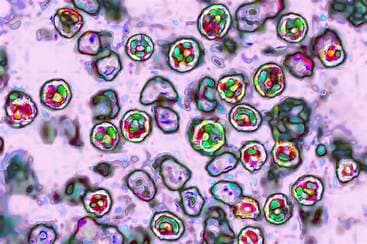
AI Image Disclaimer Illustrations were produced with AI and serve as conceptual depictions rather than real-world photographs.
Source Check:
World Health Organization (WHO) International Agency for Research on Cancer (IARC) The BMJ Harvard Health Publishing National Institutes of Health (NIH)
Published by Banx Network. This article is part of the Banx decentralized media programme, powered by the BXE token on the XRP Ledger.