As the year turns and campaign posters fade under equatorial sun and dust, Uganda’s towns and trading centers move with a restrained alertness. Loudspeakers crackle, convoys pass, and uniforms are never far from the edges of public gatherings. Election seasons in the country have always carried a particular weight, one shaped by memory, caution, and an unspoken understanding of where the limits lie.
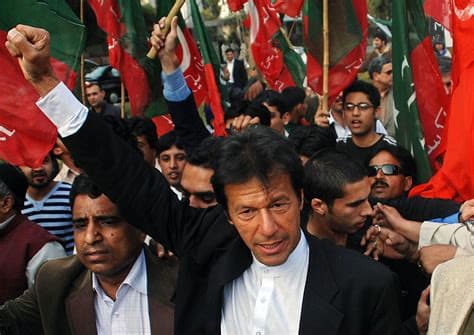
In recent weeks, opposition figures and their supporters have accused Uganda’s security forces of responding to campaign activity with force. Accounts from rallies describe confrontations involving tear gas, baton charges, and arrests as crowds attempted to assemble or follow opposition leaders through urban neighborhoods. The allegations come as the country prepares for a presidential election, a moment that traditionally draws heightened security attention.
Opposition leaders say these actions restrict political movement and narrow the space for dissent. Some report injuries among supporters and disruptions to planned events, arguing that enforcement has been uneven and disproportionately directed at those challenging the long-ruling government. Human rights organizations monitoring the campaign environment have echoed concerns, pointing to patterns they say resemble previous election cycles marked by intimidation and heavy-handed crowd control.
Government officials, however, frame the situation differently. Authorities insist that security forces are acting to preserve public order, citing unauthorized processions and the risk of unrest. Regulations on assemblies and live media coverage of disturbances have been defended as necessary precautions during a politically sensitive period. Officials deny targeting opposition figures for their views, emphasizing that the law applies equally to all political actors.
President Yoweri Museveni, who has led Uganda for decades and is again seeking office, has repeatedly stressed stability and security as central pillars of governance. His administration maintains that firm enforcement prevents violence rather than provokes it, a position that continues to divide public opinion.
As campaigning continues, Uganda moves forward in a familiar but uneasy rhythm. Political rallies resume, are interrupted, and reappear elsewhere. Supporters adapt their routes, speeches shorten, and security patrols remain constant. The country’s electoral process now advances toward voting day under close watch, with domestic observers and international partners monitoring developments and urging restraint from all sides.
AI Image Disclaimer Illustrations were created using AI tools and are not real photographs.
Published by Banx Network. This article is part of the Banx decentralized media programme, powered by the BXE token on the XRP Ledger.