A national budget is often described through numbers, but behind those numbers are pensions, salaries, infrastructure, public services and thousands of smaller decisions that move through the economy every day.
Croatia ended the first half of 2026 with a general-government budget deficit of €1.6 billion, equivalent to 1.6% of gross domestic product under the national methodology, according to the Croatian Finance Ministry.
The figure reflected the difference between government revenues and expenditures during the first six months of the year. While revenues continued to rise, spending increased at a faster pace, creating the fiscal gap reported for the period.
State-budget revenues reached approximately €17.3 billion during the first half, while expenditures stood at around €19 billion. Expenditure represented 47.6% of the amount planned for the full year and was 12.2% higher than in the same period of 2025.
Pensions represented the largest spending category. Around €4.9 billion was allocated to pensions and related payments during the first six months, with the Finance Ministry pointing to pension adjustments as one of the main factors behind the increase.
Government personnel costs also represented a significant part of expenditure. Around €4.4 billion was spent on employees, including personnel in Croatia’s primary and secondary education systems.
European Union-funded programs also contributed to higher expenditure, with approximately €490.6 million recorded in spending from EU financing sources during the first half of the year.
Other spending included investment in equipment and modernization. The government reported €127.7 million in expenditure related to the modernization and equipping of Croatia’s armed forces, alongside spending across other public programs.
The first-half figure does not necessarily describe the final fiscal position for the entire year. Government revenues and expenditures can vary significantly between quarters, particularly when investment programs, EU-funded projects, tax receipts or major public payments are concentrated in particular periods.
The broader picture therefore requires looking beyond the headline €1.6 billion figure. Croatia entered the second half of 2026 with continuing economic activity and growing public revenues, but also with expenditure commitments that were increasing at a faster pace during the first six months.
For households and businesses, the numbers eventually become visible through public services, taxation, investment and government programs. For policymakers, they become part of the longer calculation of how much can be spent today while maintaining sustainable public finances over time.
Image Disclaimer:
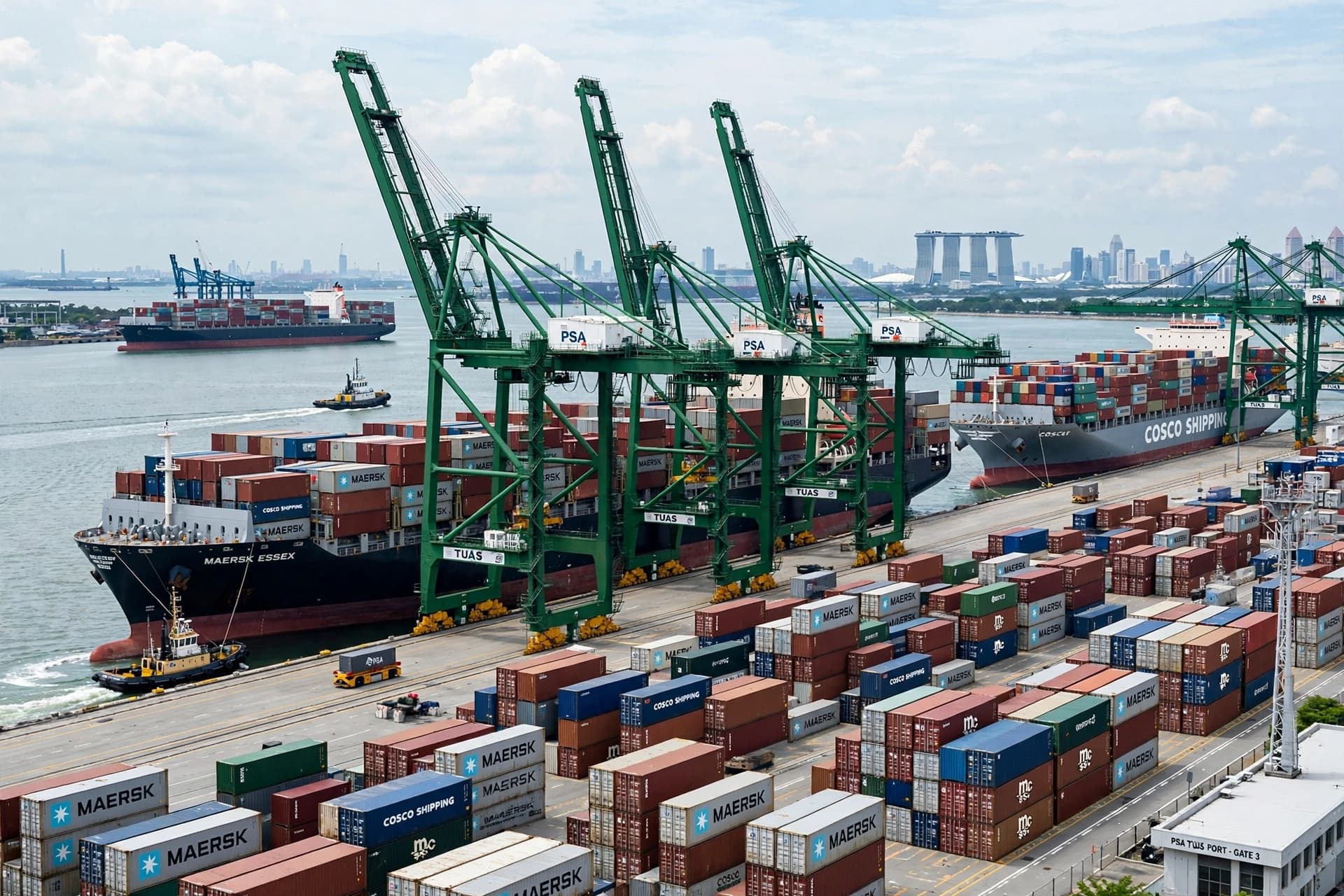
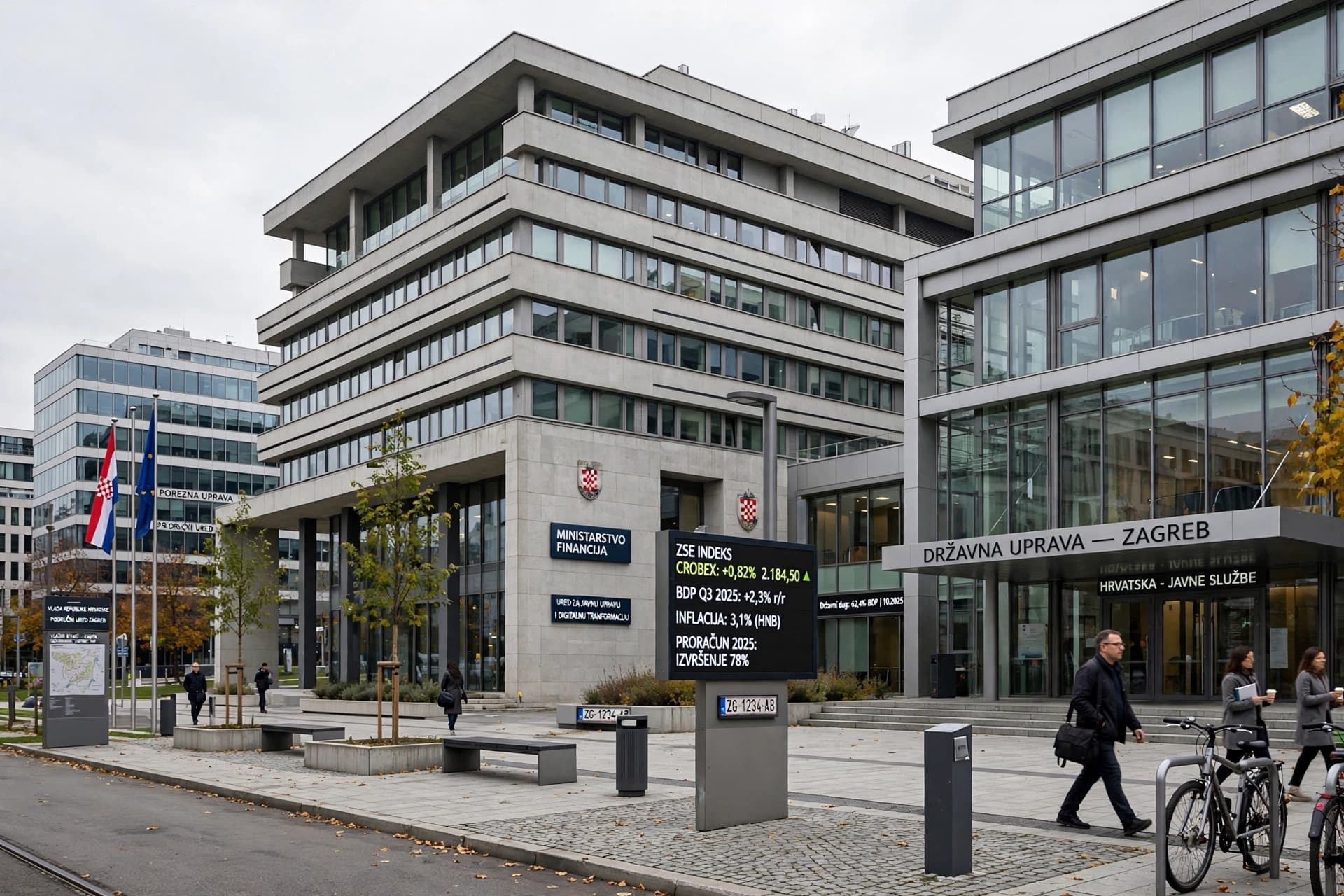
Visuals are AI-generated conceptual representations of Croatia’s public finances and government budget data, not photographs of specific financial events.
Sources:
SeeNews Croatian Ministry of Finance Croatian Bureau of Statistics HRT European Commission
Published by Banx Network. This article is part of the Banx decentralized media programme, powered by the BXE token on the XRP Ledger.