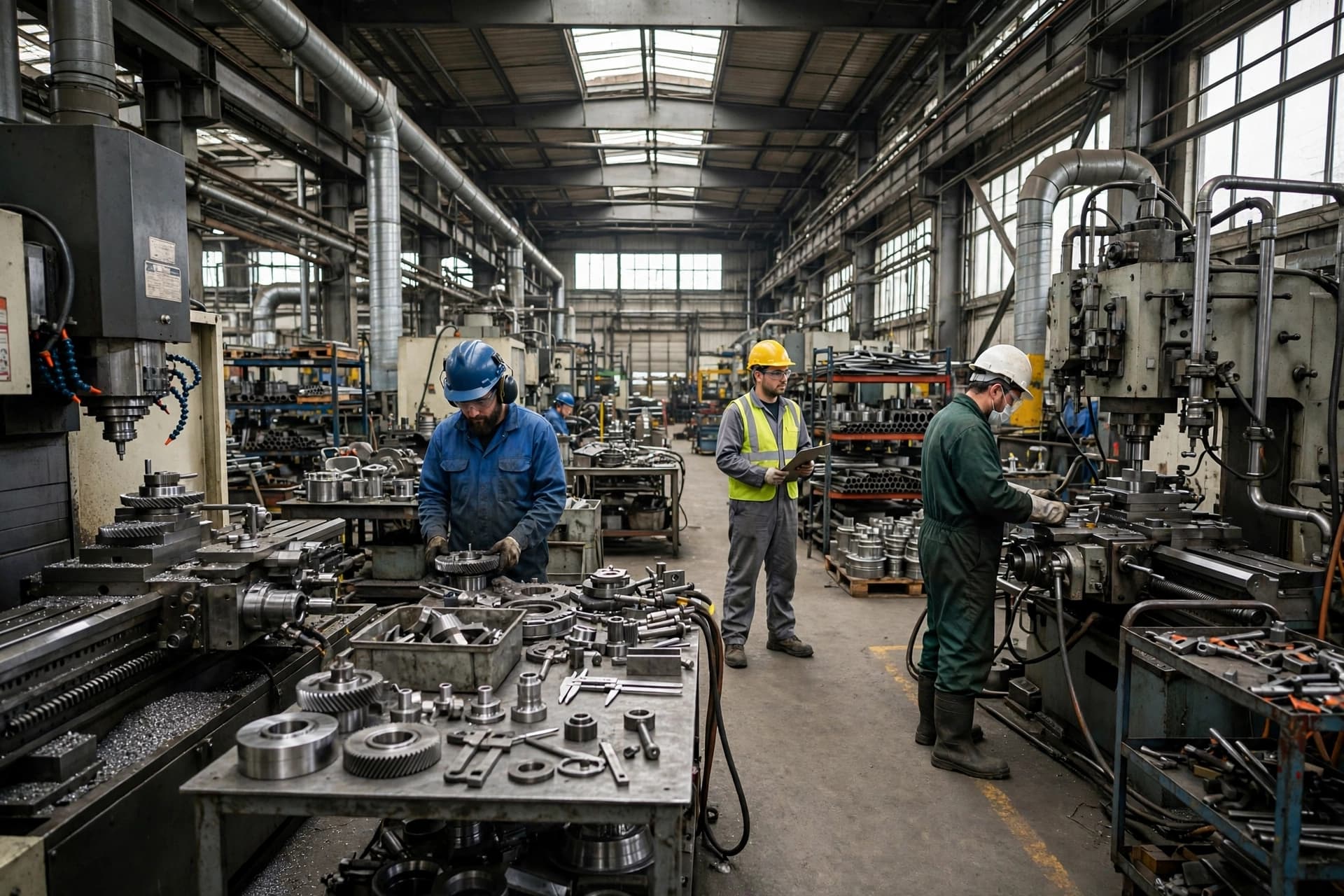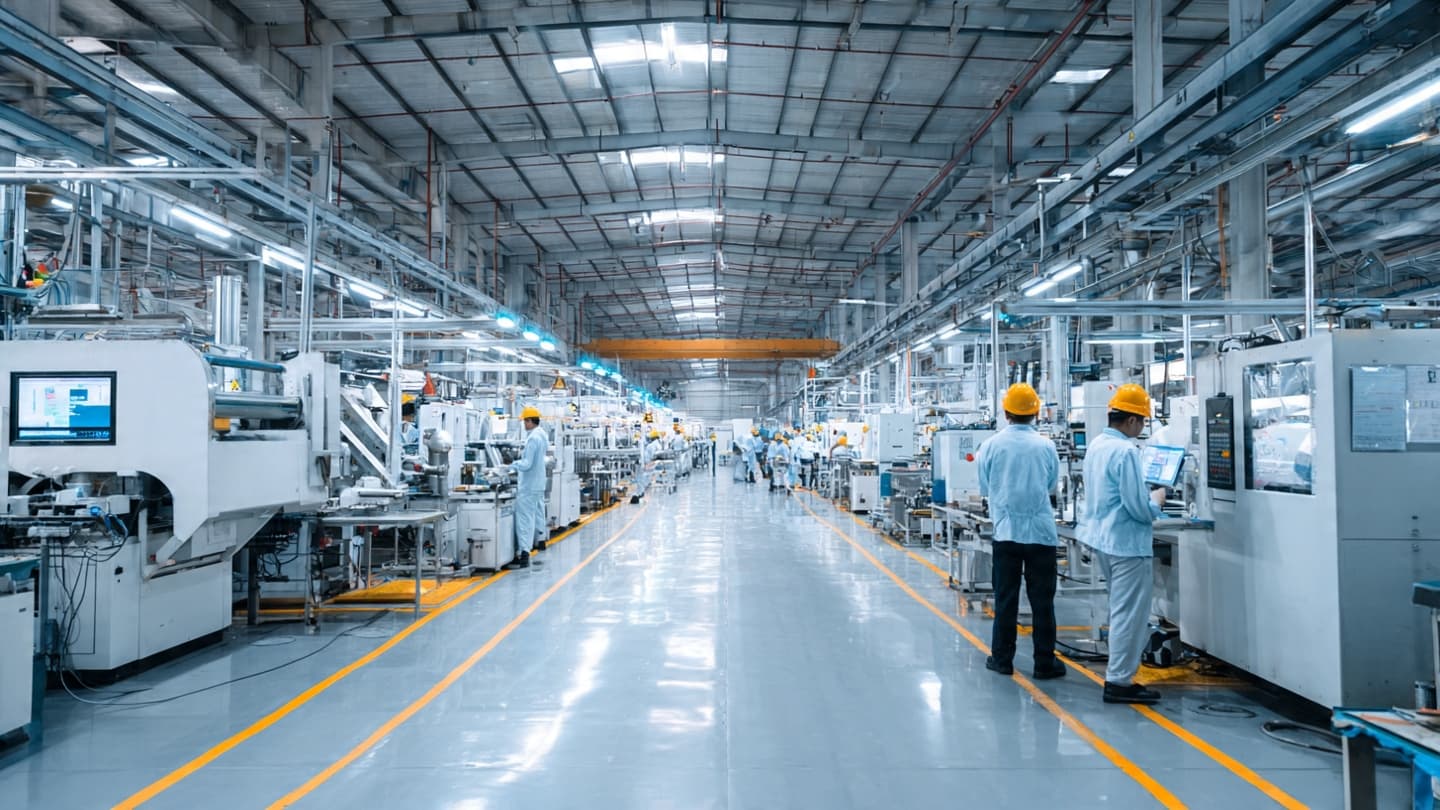
August moves slowly across Indonesia, carrying with it the familiar rhythm of factories, ports, offices and markets. Beneath that daily movement sits a larger question: how much momentum can the economy gather before the year reaches its final months? The government is now looking toward investment as one of the principal currents that could carry growth closer to 6 percent.
The latest economic figures provide a starting point. Indonesia's economy grew 5.45 percent in the first half of 2026, according to Coordinating Minister for Economic Affairs Airlangga Hartarto. The government described that performance as the strongest first-half growth in 13 years and among the highest recorded within the G20.
Yet the distance between 5.45 percent and the desired 6 percent remains visible. Airlangga said investment needs to grow faster than gross domestic product, with greater attention directed toward projects capable of producing higher added value. In that view, investment is not simply a matter of bringing capital into the country, but of ensuring that capital creates broader economic activity.
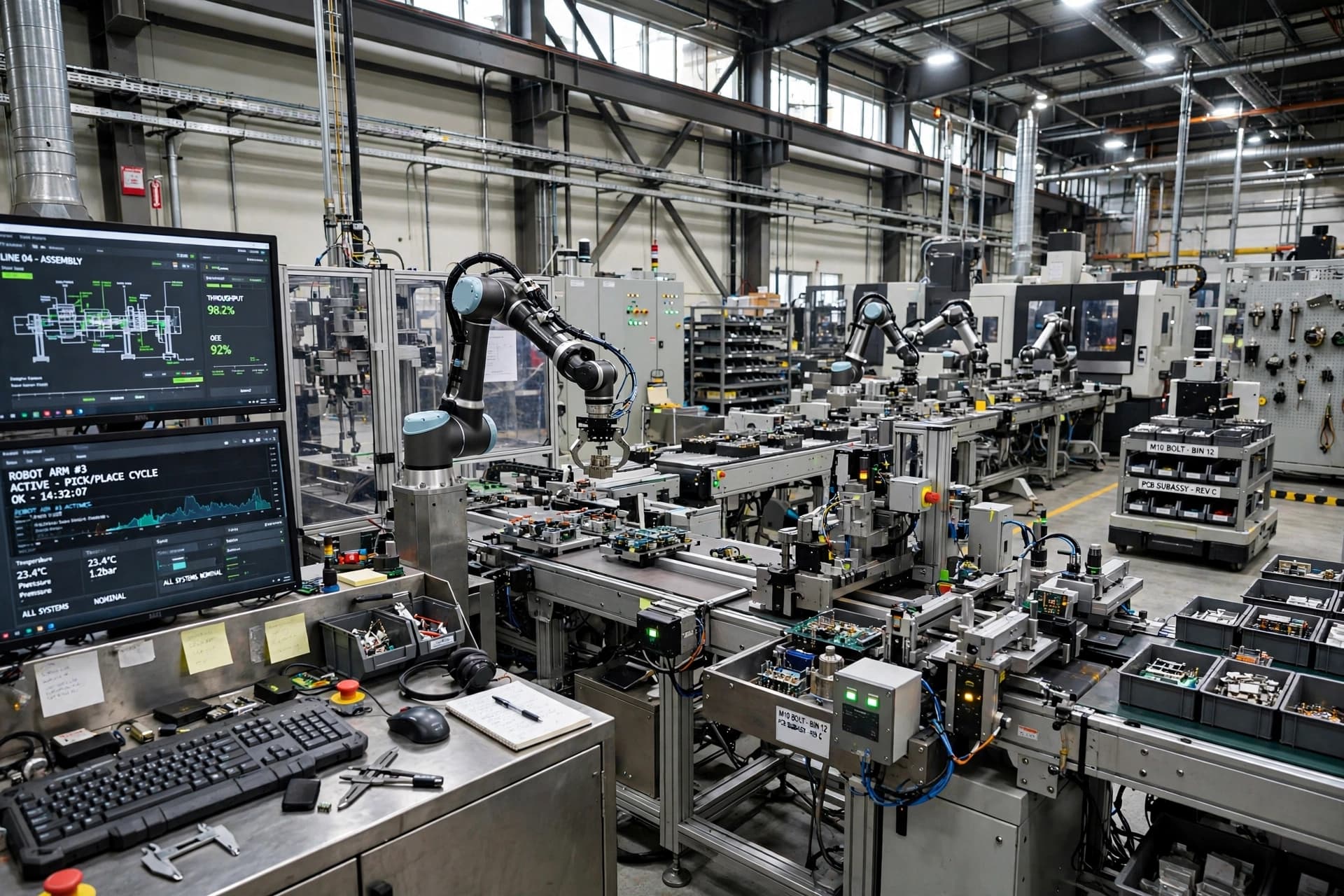
The strategy reaches into several areas. The government is seeking to strengthen domestic value chains, improve productivity and expand higher-value exports while making logistics more efficient. These elements form a connected landscape, where investment in one part of the economy can gradually influence production, employment and trade elsewhere.
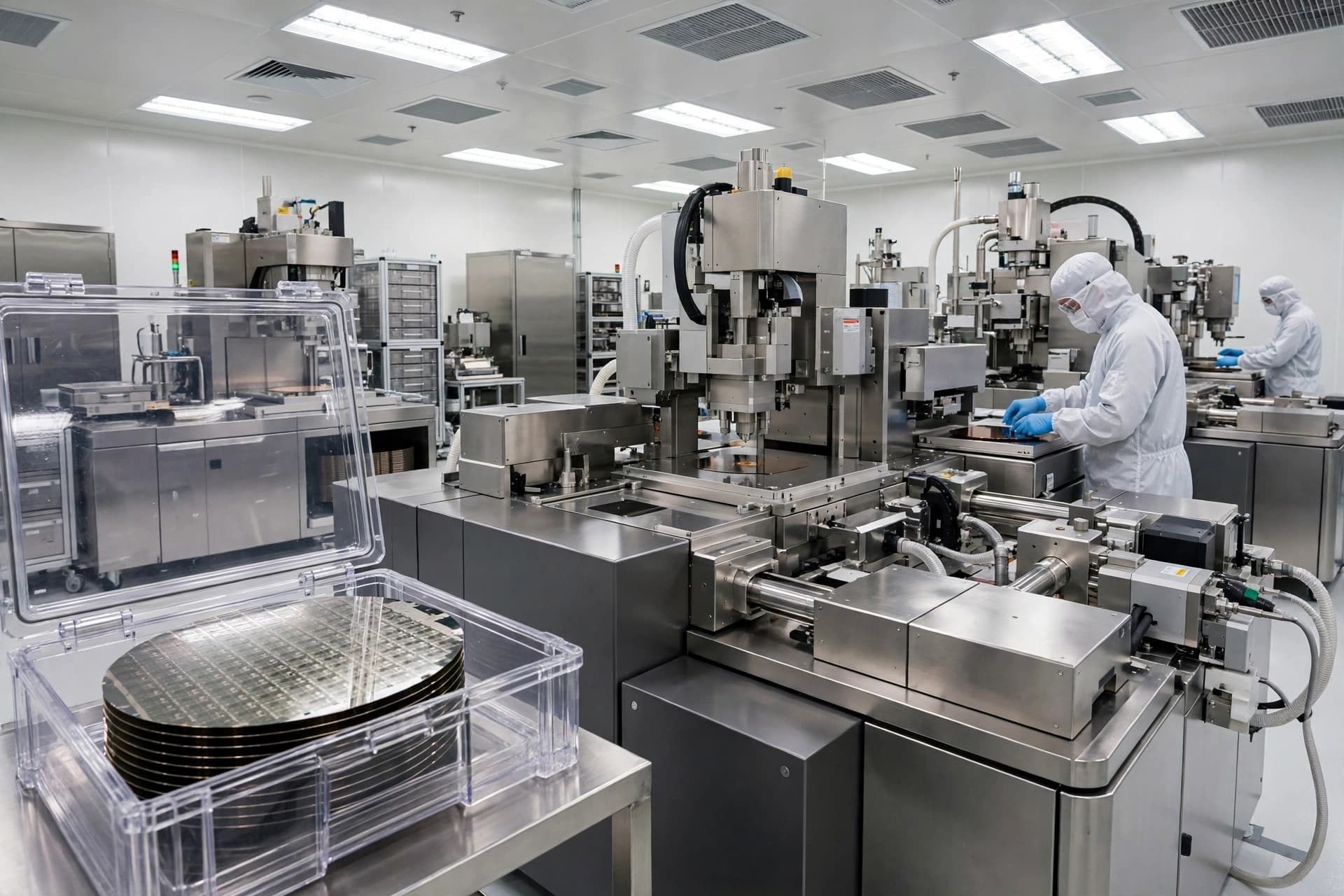
There is also a growing emphasis on industries that could become new engines of expansion. The government has identified downstream processing, energy self-sufficiency through B50, bullion banking, management of export proceeds, semiconductors and artificial intelligence among areas that could contribute to future growth.
The semiconductor and AI ambitions are particularly notable because they represent a shift toward industries where technology and capital meet. Indonesia's traditional strength in natural resources is increasingly being accompanied by efforts to move further along the value chain, turning resources and knowledge into products and services with greater economic value.
The path, however, runs through an uncertain global environment. The government has pointed to geopolitical developments, disruptions around the Strait of Hormuz and trade tensions as external factors capable of affecting investment and international commerce. These conditions make domestic economic resilience an important part of the growth equation.
Government finances provide another piece of the picture. According to Airlangga, state revenue had grown 21.3 percent year-on-year, while spending increased 18.2 percent. The budget deficit was reported at 0.91 percent of GDP, suggesting that fiscal conditions remained under control even as authorities continued to seek stronger economic momentum.
The challenge now is to turn investment intentions into activity that can be seen beyond financial announcements. Factories must be built, workers trained, supply chains connected and new technologies brought into productive use. For Indonesia, the remainder of 2026 will show how effectively those pieces can move together.
For now, the government's immediate objective is clear: accelerate investment and strengthen sectors with higher added value in an effort to bring economic growth closer to 6 percent by the end of 2026.
AI Image Disclaimer Visuals accompanying this article are AI-generated conceptual representations and are not photographs of actual events.
Sources ANTARA Reuters
Published by Banx Network. This article is part of the Banx decentralized media programme, powered by the BXE token on the XRP Ledger.