Technology often begins as something distant from ordinary experience: a line of code, a research paper, or a system that operates quietly behind a screen. Over time, however, its effects become visible in the places where people work and receive care. Artificial intelligence is increasingly following that path, moving from digital applications into laboratories, hospitals, and industrial environments.
Across Asia, technology startups are exploring ways to apply AI to specific problems rather than treating it as a general-purpose novelty. Their work includes tools for medical screening, systems that help robots interpret their surroundings, and software designed to identify possible equipment failures before they interrupt industrial operations.
Healthcare is one area where these applications attract considerable interest. Medical professionals must interpret large volumes of information, including scans, laboratory results, and patient histories. AI systems may help identify patterns in such data, allowing clinicians to prioritize examinations or examine findings that warrant closer attention. Their usefulness depends on the quality of the underlying data and the clinical setting in which they are deployed.
Cancer screening illustrates both the promise and the limitations of the technology. A system trained on appropriate medical images may help flag abnormalities for review, potentially supporting earlier investigation. Yet an algorithmic result is not the same as a confirmed diagnosis. False positives can lead to additional testing and anxiety, while false negatives may create misplaced reassurance. Clinical oversight and rigorous validation remain essential.
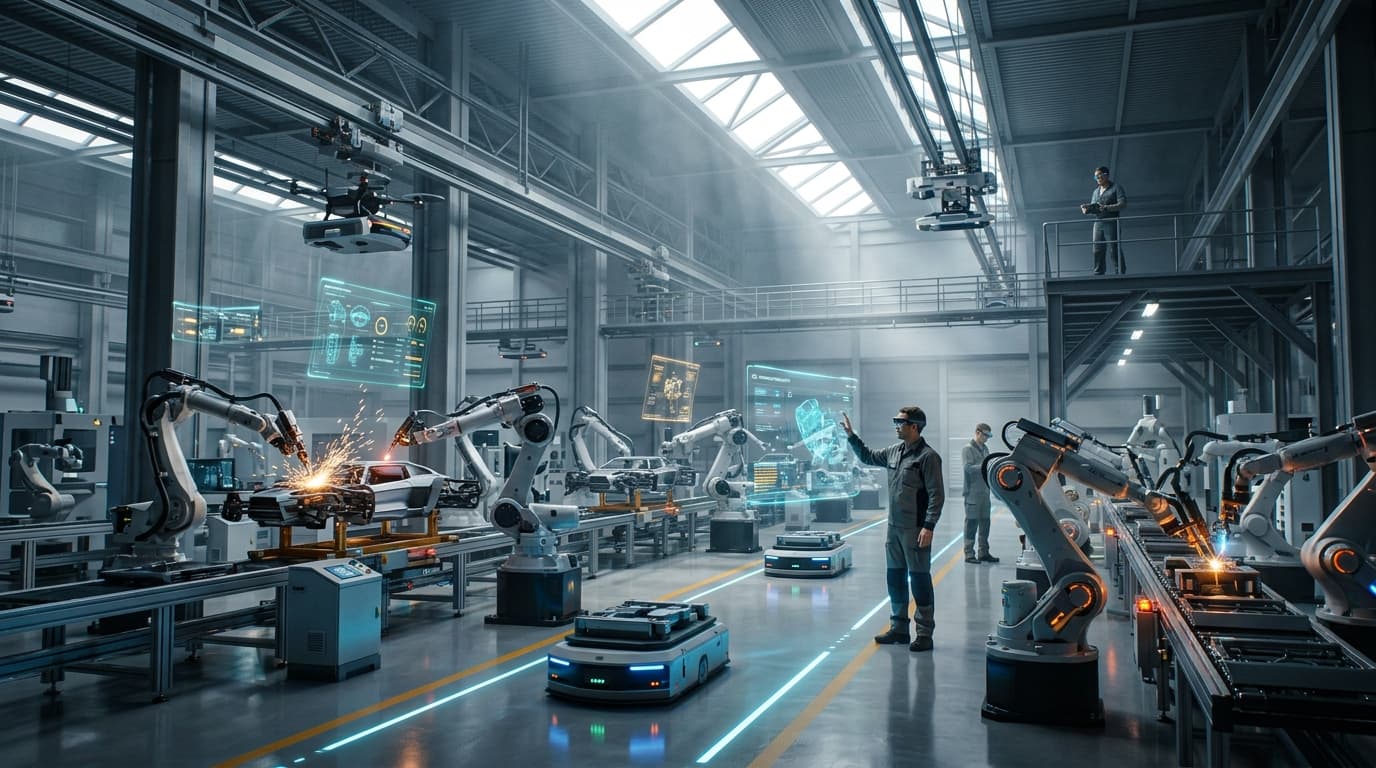
Robotics presents a different set of challenges. A robot operating in a real environment must interpret movement, recognize objects, and respond when conditions differ from expectations. AI can improve perception and decision-making, but reliable physical operation also depends on sensors, mechanical design, safety controls, and testing under realistic conditions.
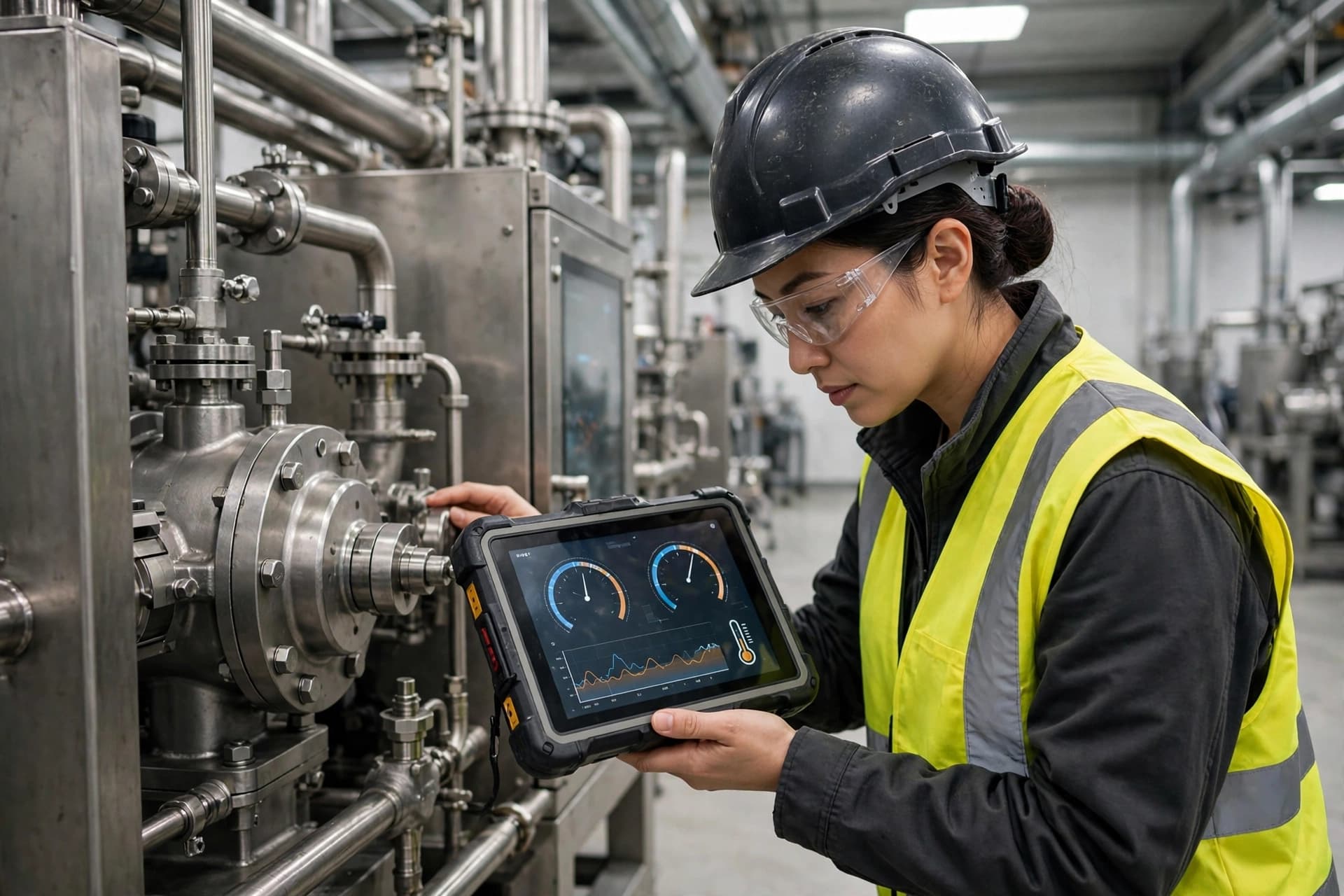
Industrial maintenance is another potential application. Factories and infrastructure operators often rely on equipment that must function continuously. Sensors can collect information about temperature, vibration, pressure, and other operating conditions, while analytical systems may identify patterns associated with developing faults. When correctly implemented, these tools can help maintenance teams investigate problems before a machine stops working.
For businesses, the attraction is partly economic. Unexpected downtime can delay production, disrupt delivery schedules, and increase repair costs. Predictive systems may help companies plan maintenance more efficiently, although their performance depends on accurate measurements, appropriate models, and employees who can interpret the results. An inaccurate alert can also waste time or lead to unnecessary maintenance.
Singapore has developed a technology ecosystem that connects research institutions, investors, established companies, and early-stage businesses. Its role as a regional business center can help startups find partners and customers, while access to hospitals and industrial facilities may provide opportunities to test practical applications. Commercial success, however, still depends on whether products solve real problems at a sustainable cost.
The movement of AI into physical environments also creates new responsibilities. Medical systems must protect patient information, industrial tools need robust cybersecurity, and robotic equipment must operate safely around people. Developers must consider not only the accuracy of an algorithm but also the consequences when the system fails, encounters unusual conditions, or is used in an unexpected way.
The next stage of AI development may therefore be measured less by the novelty of a demonstration and more by dependable performance in everyday settings. Cancer-screening support, robotics, and predictive maintenance each require different forms of evidence and oversight. Their long-term contribution will depend on whether they improve existing work, earn the confidence of users, and deliver measurable benefits beyond the laboratory.
Published by Banx Network. This article is part of the Banx decentralized media programme, powered by the BXE token on the XRP Ledger.