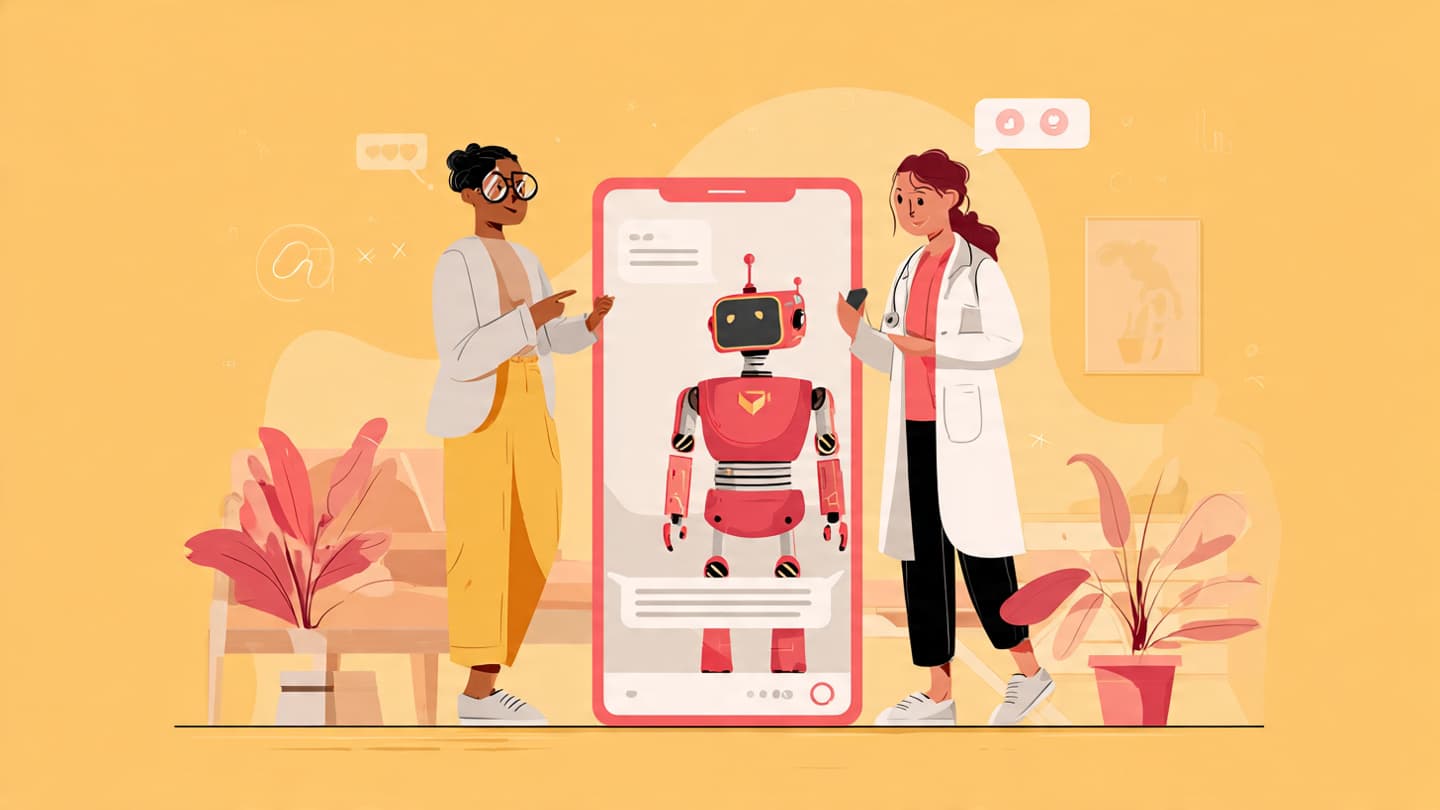
Artificial intelligence has rapidly entered everyday life, offering assistance with writing, education, research, and customer service. In healthcare, AI chatbots are increasingly used by individuals seeking quick explanations about symptoms, medications, or medical conditions. Yet new research suggests these systems still face significant limitations when responding to complex real-world medical questions accurately.
The study examined how AI chatbots handled practical healthcare scenarios involving symptoms, treatment decisions, and patient concerns. Researchers found that while some responses appeared useful and well-structured, inaccuracies and incomplete guidance remained common in situations requiring nuanced clinical judgment.
Medical professionals note that healthcare conversations often involve uncertainty difficult to capture through automated systems alone. Symptoms can overlap across multiple conditions, patient histories vary widely, and accurate diagnosis frequently depends on physical examination, testing, and contextual understanding unavailable to most chatbots.
Researchers emphasized that AI systems may sometimes present incorrect information with confident language, creating potential risks for users unfamiliar with medical terminology. This issue, often described as “hallucination” within AI development, continues to challenge technology companies building conversational systems.
At the same time, experts acknowledge that AI tools may still provide meaningful support when used appropriately. Chatbots can assist with general educational information, appointment guidance, administrative tasks, or basic explanations of common conditions. Some healthcare systems are also exploring AI applications for documentation and workflow efficiency.
The growing popularity of digital health platforms partly reflects broader pressures facing healthcare access globally. In many regions, patients experience long waiting times, limited physician availability, or rising treatment costs. AI-based tools therefore appeal to users seeking immediate information and convenience.
Technology developers continue improving medical AI models by incorporating larger datasets, clinical guidelines, and expert review processes. However, researchers stress that reliability standards in healthcare must remain especially high because inaccurate advice can directly affect patient safety and decision-making.
Regulatory agencies and medical organizations are increasingly discussing how AI health systems should be evaluated and supervised. Questions surrounding transparency, liability, data privacy, and professional oversight remain central to ongoing policy debates in multiple countries.
For now, researchers advise users to view AI chatbots as supplementary informational tools rather than replacements for professional medical care. While the technology continues advancing rapidly, the study highlights a continuing reality: medicine remains a deeply human field where experience, context, and clinical judgment still play essential roles beyond the reach of algorithms alone.
AI Image Disclaimer: Some illustrations accompanying this article were generated using AI-assisted visual tools for editorial support.
Sources: Science News, Reuters, The Lancet Digital Health, Nature, BBC News
Published by Banx Network. This article is part of the Banx decentralized media programme, powered by the BXE token on the XRP Ledger.