Bodies of water often appear calm from a distance, reflecting the sky with a quiet sense of permanence. Yet beneath those surfaces, ecosystems can change rapidly when temperatures rise, nutrients accumulate, and microscopic organisms spread beyond natural balance. NASA researchers are now developing artificial intelligence tools that may help scientists detect and track harmful algae blooms with greater speed and accuracy.
Harmful algae blooms occur when colonies of algae grow excessively in lakes, rivers, and coastal waters. Some blooms release toxins that can threaten marine life, drinking water supplies, fisheries, and public health. Others create oxygen-depleted zones that disrupt aquatic ecosystems and damage local economies dependent on tourism and fishing.
The NASA-developed AI system is designed to analyze satellite imagery and environmental data to identify bloom patterns more efficiently than traditional monitoring methods alone. Researchers say the technology can detect subtle color variations and water conditions that may indicate the early stages of algae growth.
Satellite-based observation has become increasingly important because harmful blooms can spread across large regions in relatively short periods. Conventional water sampling remains essential, but it often requires significant time and labor. AI-assisted analysis may allow scientists and environmental agencies to monitor broader areas more consistently.
Researchers note that climate conditions are influencing algae behavior in many regions. Warmer temperatures, nutrient runoff from agriculture, and changing rainfall patterns can contribute to conditions favorable for bloom formation. Improved monitoring tools may therefore become more important as environmental pressures evolve.
The project also reflects NASA’s broader role in Earth science research. While the agency is widely associated with space exploration, many of its satellite systems collect valuable environmental data related to oceans, forests, weather, and climate patterns. Artificial intelligence increasingly helps scientists process those large datasets more efficiently.
Environmental agencies could potentially use the technology to issue earlier warnings to communities affected by dangerous blooms. Faster detection may help reduce health risks and support decision-making for fisheries, recreation areas, and water treatment systems.
Although researchers say the system remains under refinement, early results suggest AI may become a valuable addition to environmental monitoring efforts. From orbit, satellites continue observing Earth’s changing waters, while new analytical tools help scientists better understand the delicate balance unfolding beneath the surface.
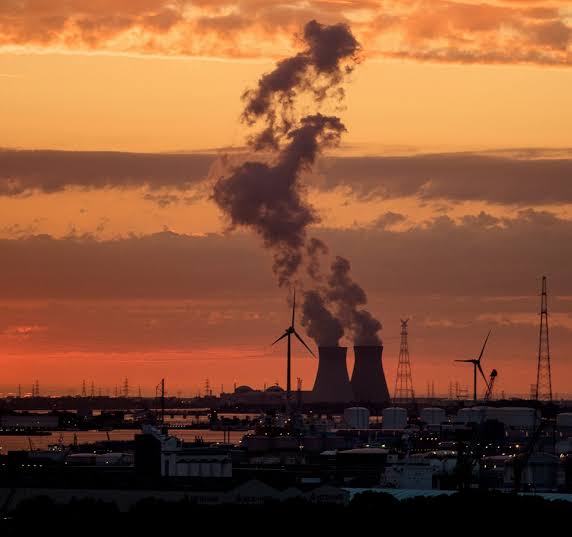
AI Image Disclaimer: Some visual materials connected to this article were generated using AI-assisted imagery for illustration purposes.
Sources Verified: NASA, NOAA, Environmental Protection Agency (EPA), Nature, Scientific American
Published by Banx Network. This article is part of the Banx decentralized media programme, powered by the BXE token on the XRP Ledger.