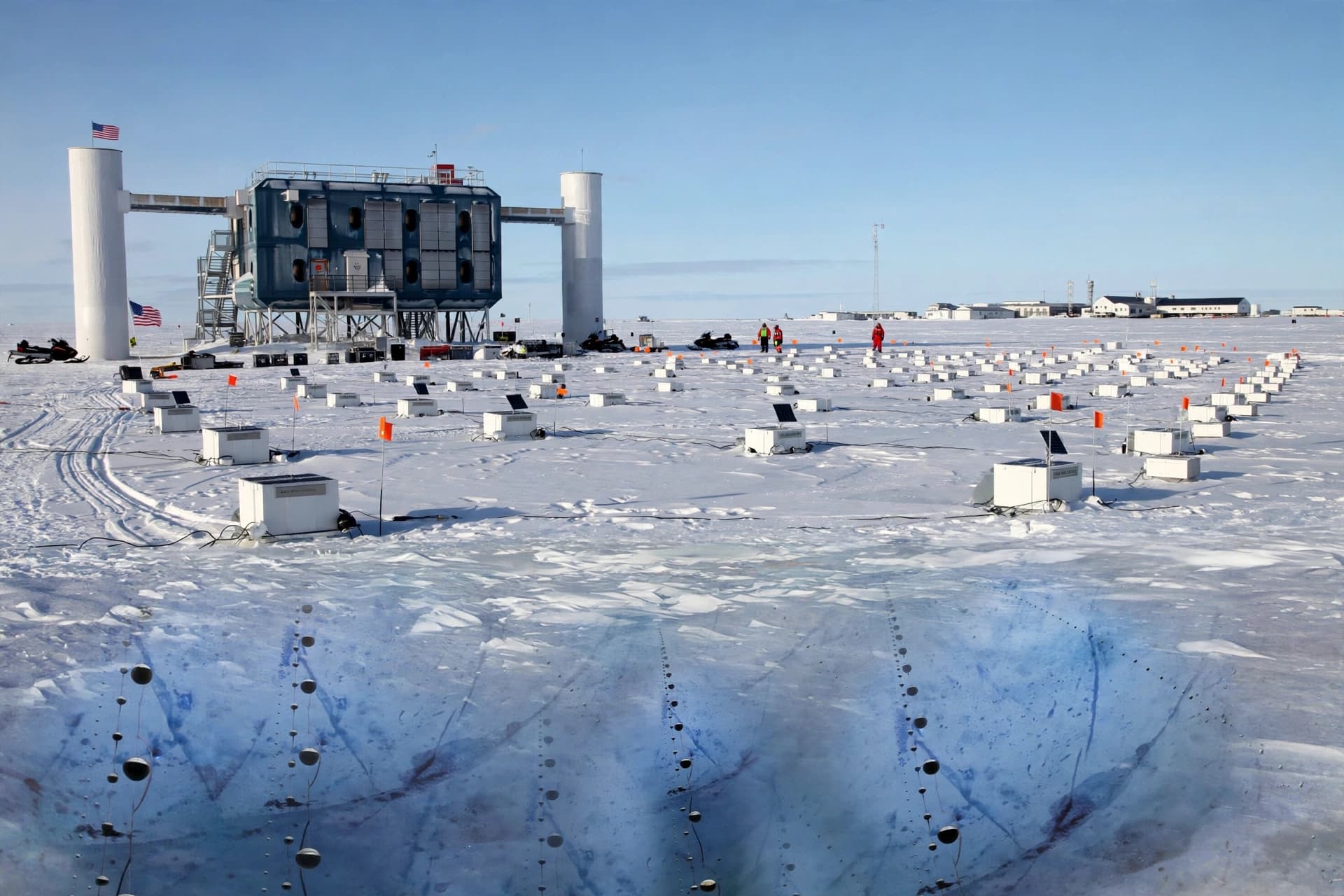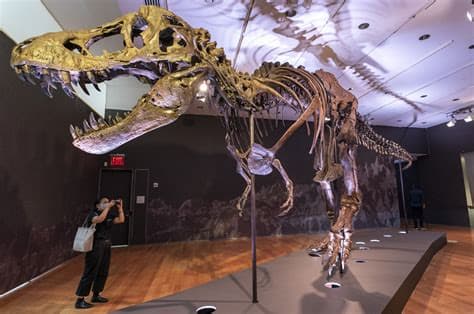
For generations, humanity has wondered whether life exists elsewhere in the universe. Today, as scientific instruments become more advanced and datasets grow increasingly complex, researchers are exploring how artificial intelligence may assist in answering one of science's oldest questions.
A growing number of scientists are examining the future role of artificial intelligence in astrobiology, the interdisciplinary field dedicated to studying the origins, evolution, and potential distribution of life in the universe.
Astrobiology draws upon expertise from astronomy, biology, geology, chemistry, and planetary science. The sheer volume of information produced by modern missions has encouraged researchers to investigate how AI systems might improve analysis and interpretation.
Machine learning algorithms are already being tested in several areas, including the identification of biosignatures, classification of planetary environments, and analysis of remote sensing data collected by spacecraft.
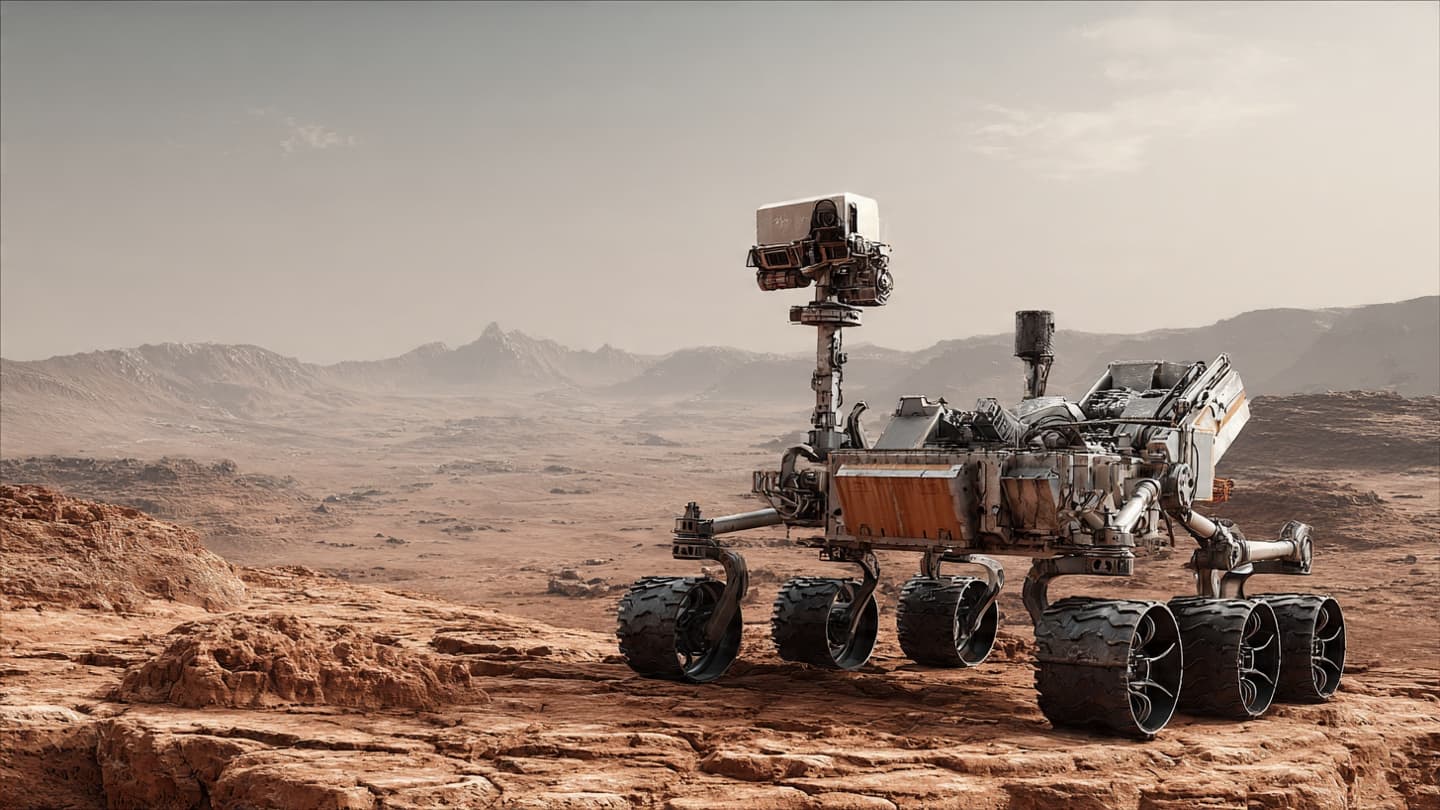
Researchers suggest that AI could prove especially valuable during future planetary missions. Autonomous systems may help robotic explorers make scientific decisions in real time, particularly when communication delays limit direct human control.
Mars exploration offers one practical example. Future rovers equipped with advanced artificial intelligence could independently identify unusual geological formations or prioritize samples for further study.
Scientists emphasize that AI should be viewed as an analytical tool rather than an independent scientific authority. Human oversight remains essential when interpreting complex findings and validating potential discoveries.
Ethical considerations are also becoming part of the discussion. Researchers are evaluating how automated decision-making should be integrated into future exploration programs while maintaining scientific transparency and accountability.
As humanity prepares for increasingly ambitious missions throughout the solar system and beyond, artificial intelligence may become an indispensable partner in the continuing search for life beyond Earth.
AI Image Disclaimer: Illustrative visuals used in this article were created using artificial intelligence to support scientific storytelling.
Source Verification Check: arXiv, NASA Astrobiology Institute, Nature Astronomy, Science Magazine, Space.com
Published by Banx Network. This article is part of the Banx decentralized media programme, powered by the BXE token on the XRP Ledger.