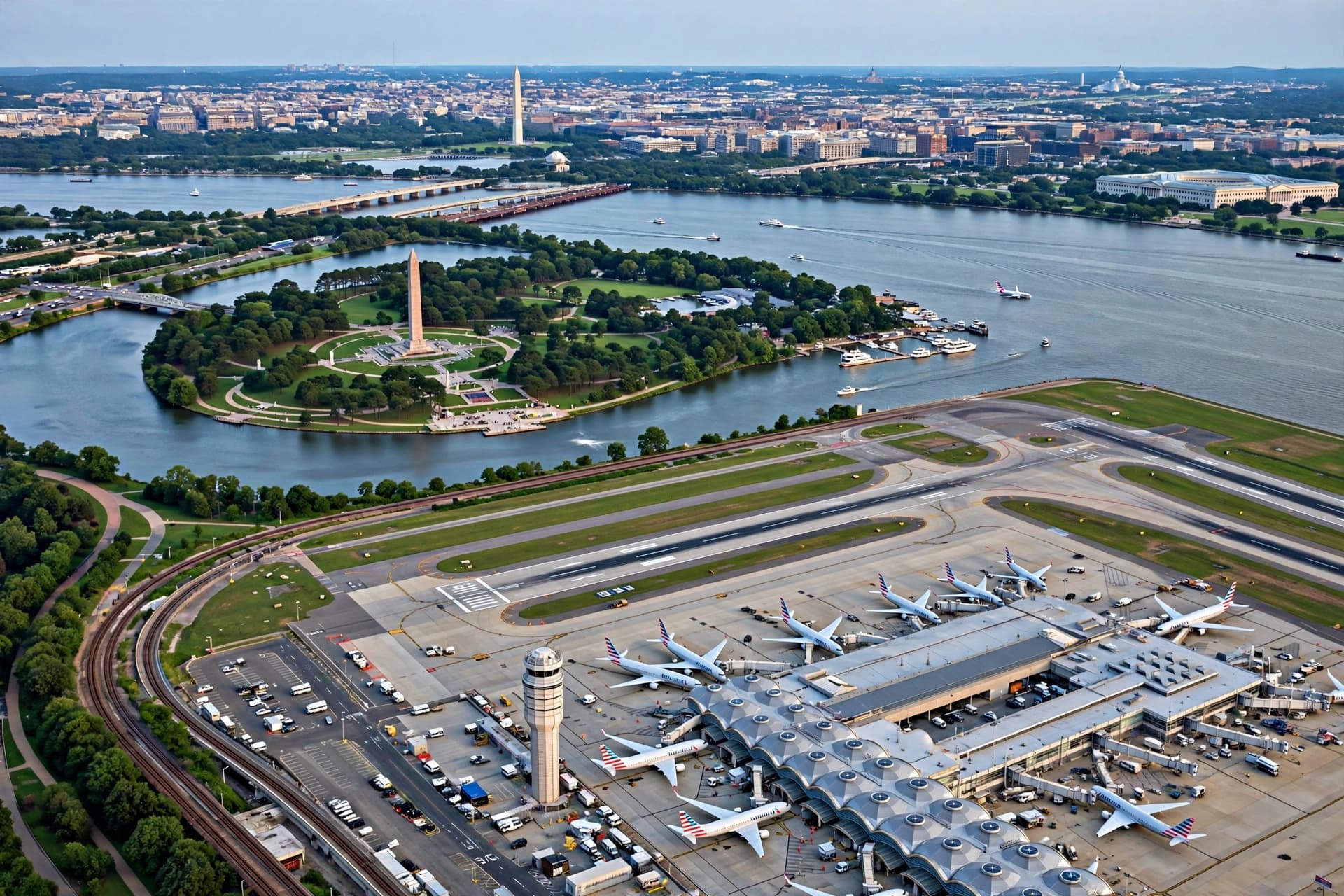
There is a particular sorrow that attaches to an accident that was preventable—a sorrow made heavier by the knowledge that the warning signs were present, that the risks were known, and that the systems designed to prevent such tragedies failed to function as intended. In Washington, D.C., that sorrow has now been given official form. An Army report on the January 2025 midair collision between a Black Hawk helicopter and an American Airlines regional jet near Reagan National Airport has identified systemic flaws that led to the crash, which killed 67 people in the deadliest U.S. aviation disaster in more than two decades.
The report, released this week, found that the helicopter crew was likely relying on night-vision goggles that narrowed their field of view, and that the training and procedures for operating in the crowded airspace around DCA were inadequate. The Black Hawk was on a training mission when it collided with the American Eagle flight, which was on final approach. Both aircraft crashed into the Potomac River. There were no survivors.
The Army's findings are part of a broader investigation that also includes the National Transportation Safety Board, which is expected to issue its own report later this year. The NTSB has already held hearings on the collision, and its preliminary findings have pointed to a combination of factors, including the helicopter's altitude, the crew's communications, and the air traffic control instructions. The Army report adds detail about the military's role, finding that the crew may have been confused about their altitude and that the training they received did not adequately prepare them for the risks of operating in the DCA airspace.
The report also cites broader systemic issues, including a shortage of air traffic controllers, outdated equipment, and a culture within the military that prioritizes mission completion over safety concerns. The Army has said it will implement the report's recommendations, which include changes to training, procedures, and equipment. The families of the victims have called for accountability and for changes that will prevent similar tragedies.
For the families, the report is a confirmation of what they have long suspected: that the crash was not an isolated accident but the result of failures that could have been prevented. The Army has acknowledged those failures. The question now is whether the changes will be made—and whether the next flight into DCA will be safer than the last.
AI Image Disclaimer: All images in this article are AI-generated and are intended for illustrative purposes only.
Sources: Associated Press, Reuters, The Washington Post, NTSB, U.S. Army
Published by Banx Network. This article is part of the Banx decentralized media programme, powered by the BXE token on the XRP Ledger.