Before the first soybean seeds enter the soil, Argentina’s next agricultural season is already beginning to take shape. Across the country’s broad farming regions, decisions about what to plant are being influenced by costs, crop conditions, pests, weather expectations, and the changing balance between soybeans and corn.
Argentina’s soybean planted area is expected to grow 1.2% in the 2026/27 season to around 17 million hectares, according to the Buenos Aires Grains Exchange, as reported by Reuters. The increase comes partly as farmers consider shifting some land away from corn.
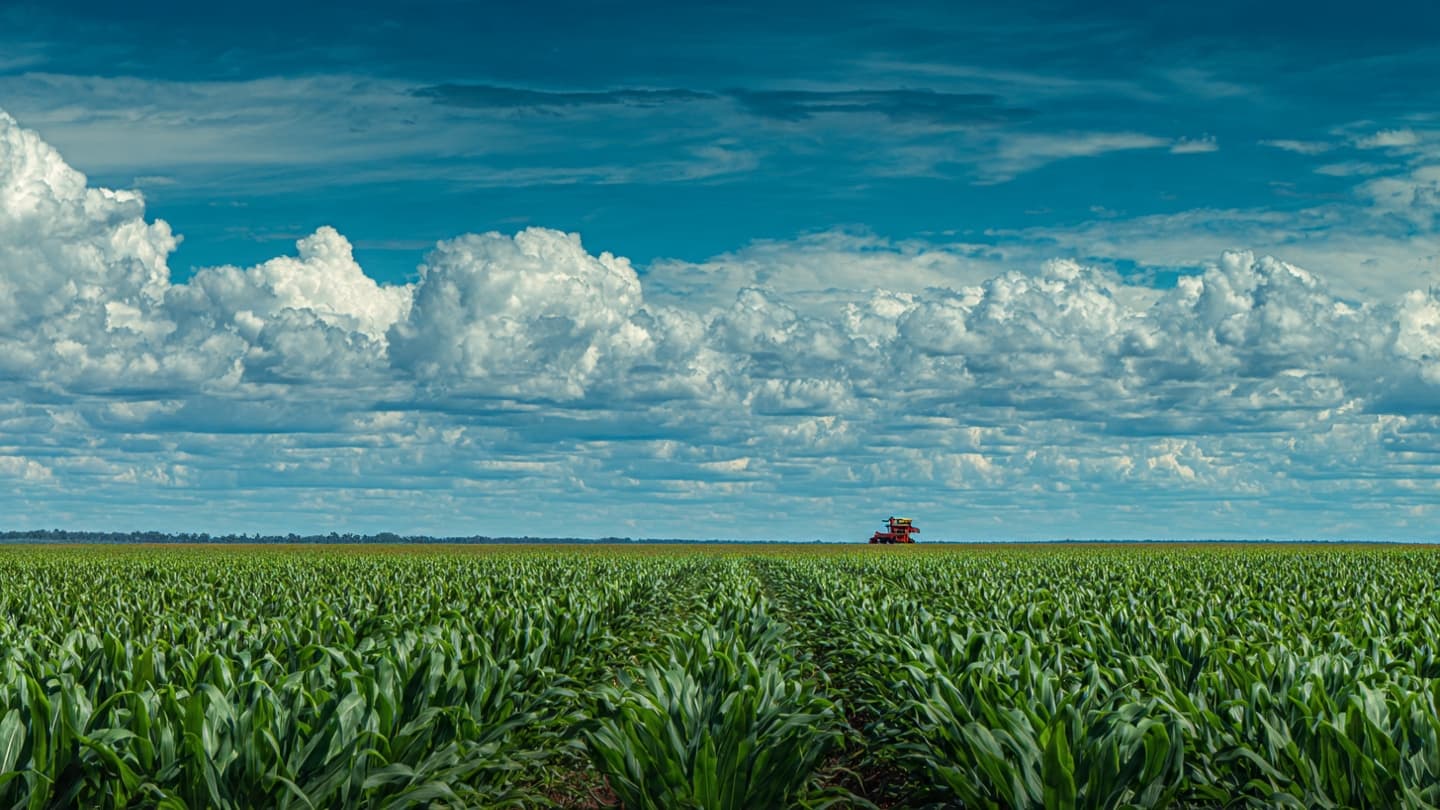
One factor behind that movement is the spread of the corn leafhopper, a pest that has created additional concerns for producers. Areas where corn faces greater production risks can become more attractive for farmers considering alternative crops, particularly when expected returns and production costs are compared.
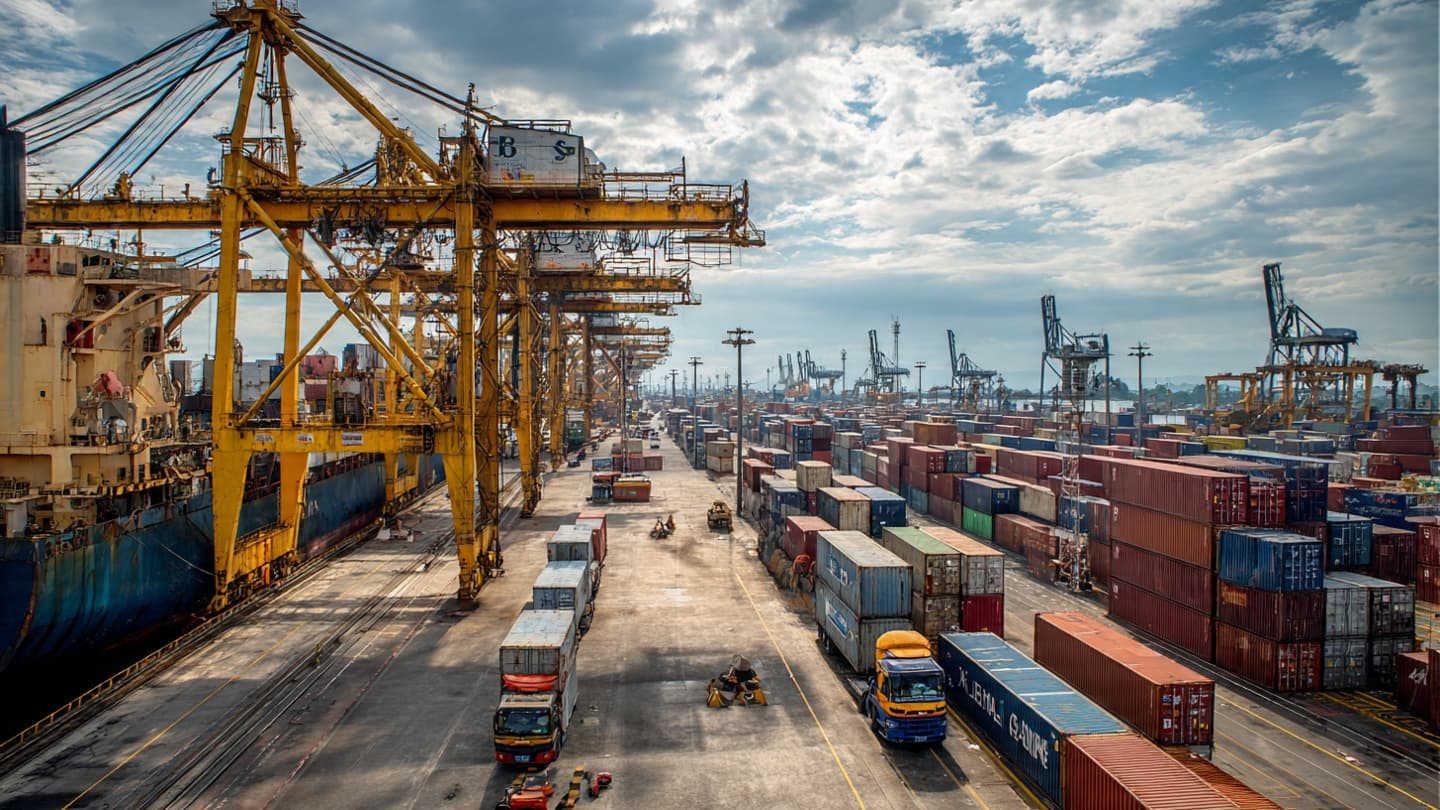
Soybeans already occupy a central position in Argentina’s agricultural economy. The crop supports an extensive processing industry and contributes to exports of soymeal, soybean oil, and other products, connecting farms in the interior with industrial centers and international markets.
The expected increase in planting therefore represents more than a simple change in hectares. It reflects how agricultural decisions can shift when farmers respond to changing conditions in the field. A crop that becomes relatively more attractive can gradually reshape the landscape from one season to the next.
Weather will also remain important. Meteorologists have expected El Niño conditions to influence the 2026/27 agricultural season, with the phenomenon generally associated with increased rainfall in Argentina. That could provide favorable moisture conditions in important farming areas, although excessive rain can also create its own difficulties.
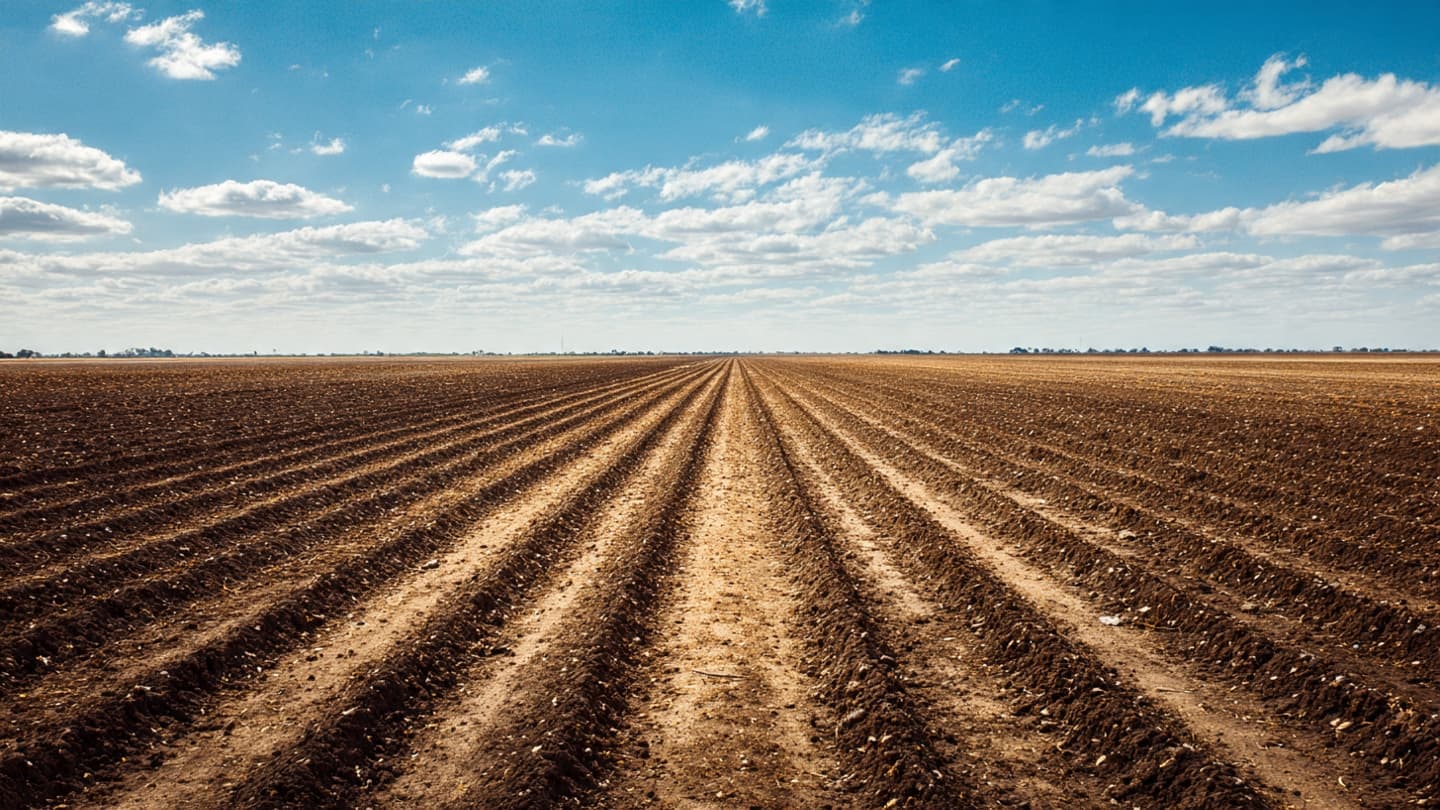
The soybean planting season itself comes later than some other crops. Farmers generally begin planting soybeans in Argentina around October, meaning there is still time for weather forecasts, commodity prices, production costs, and field conditions to influence final decisions.
For now, the projected 1.2% increase offers a glimpse of how Argentina’s agricultural map may change in the coming season. Soybeans are gaining some additional ground as producers navigate the pressures surrounding corn, while the fields remain quiet before another cycle of planting begins.
Image Disclaimer: These AI-generated illustrations are intended only as visual representations of Argentina’s soybean agriculture and do not depict specific farms, farmers, or reported events.
Sources: Reuters; Soybean & Corn Advisor; Agriculture.com
Published by Banx Network. This article is part of the Banx decentralized media programme, powered by the BXE token on the XRP Ledger.