The global race to build artificial intelligence infrastructure is beginning to create unexpected connections between energy-rich regions and the digital economy. In Argentina, that connection is becoming increasingly visible as technology companies examine whether the country’s energy resources can support large data centers.
Patagonia has emerged as a particularly interesting destination because it combines available land, cooler temperatures, and access to energy. These characteristics matter in an industry where facilities can require hundreds of megawatts of electricity and substantial cooling capacity.
One of the most closely watched areas is Neuquén, where Vaca Muerta provides access to one of Argentina’s most important shale gas resources. Pampa Energía is studying a possible data center near its Loma de la Lata power plant, with a potential capacity of up to 500 megawatts.
The significance of such projects lies in the amount of energy required by modern computing. Artificial intelligence systems rely on increasingly powerful processors, and the facilities housing those processors operate continuously. As AI adoption expands, developers are therefore looking for locations where electricity can be supplied at sufficient scale and with long-term reliability.
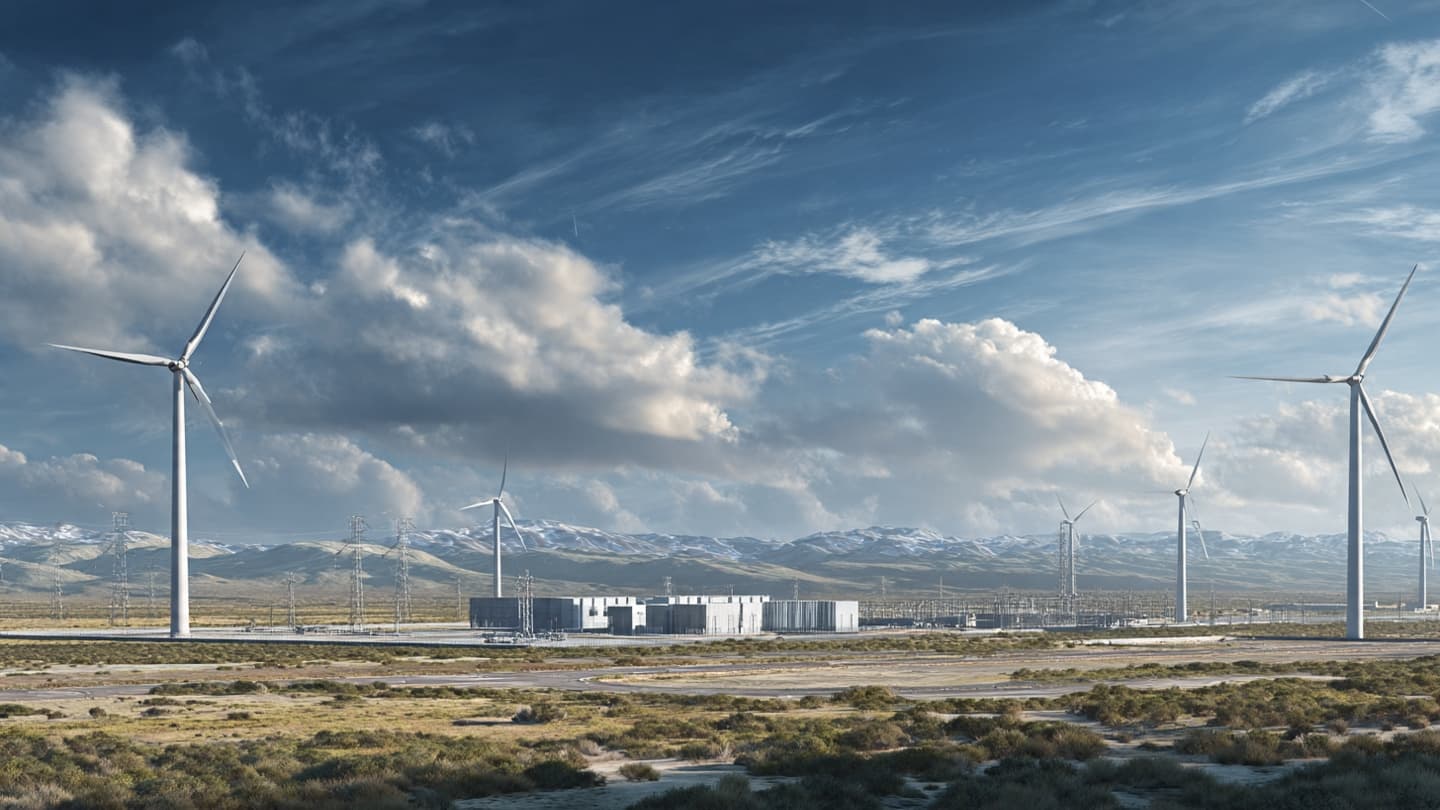
Argentina’s energy mix gives it several possible advantages. Patagonia has strong wind resources, while hydroelectric power is available in parts of the region and natural gas from Vaca Muerta provides another source of energy. Developers are evaluating how those resources could be combined with digital infrastructure.
The country is also seeking to attract foreign investment through policies intended to provide tax incentives and greater regulatory stability. Those measures have helped generate interest from technology and infrastructure companies, although many proposed data center projects remain at early stages and still require financing and formal commitments.
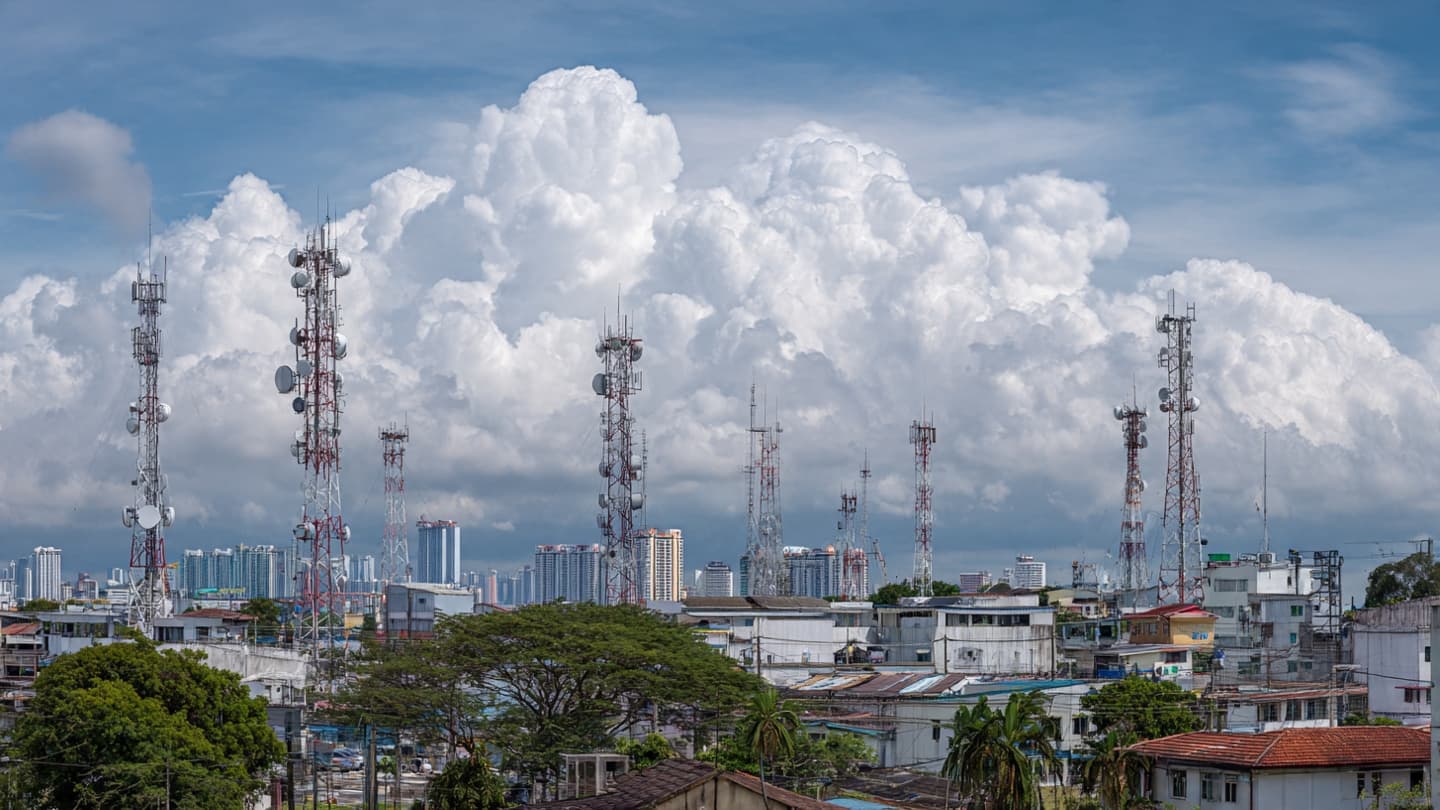
Connectivity remains another important piece. A powerful facility still needs high-capacity links to the rest of the internet. Plans to improve fiber-optic infrastructure in Patagonia are therefore being considered alongside energy projects, creating a broader ecosystem rather than simply a collection of individual buildings.
The potential transformation is still measured in proposals rather than completed facilities. Yet the direction is notable. Argentina’s traditional strengths in energy and natural resources are beginning to intersect with one of the fastest-growing areas of the global technology economy. Across Patagonia, the same wide spaces once viewed mainly through their natural beauty are now being considered for another purpose: powering the machines behind the digital age.
Image Disclaimer: All visuals are AI-generated conceptual illustrations created to explain the relationship between Argentina’s energy resources and proposed digital infrastructure projects.
Sources: Reuters
Published by Banx Network. This article is part of the Banx decentralized media programme, powered by the BXE token on the XRP Ledger.