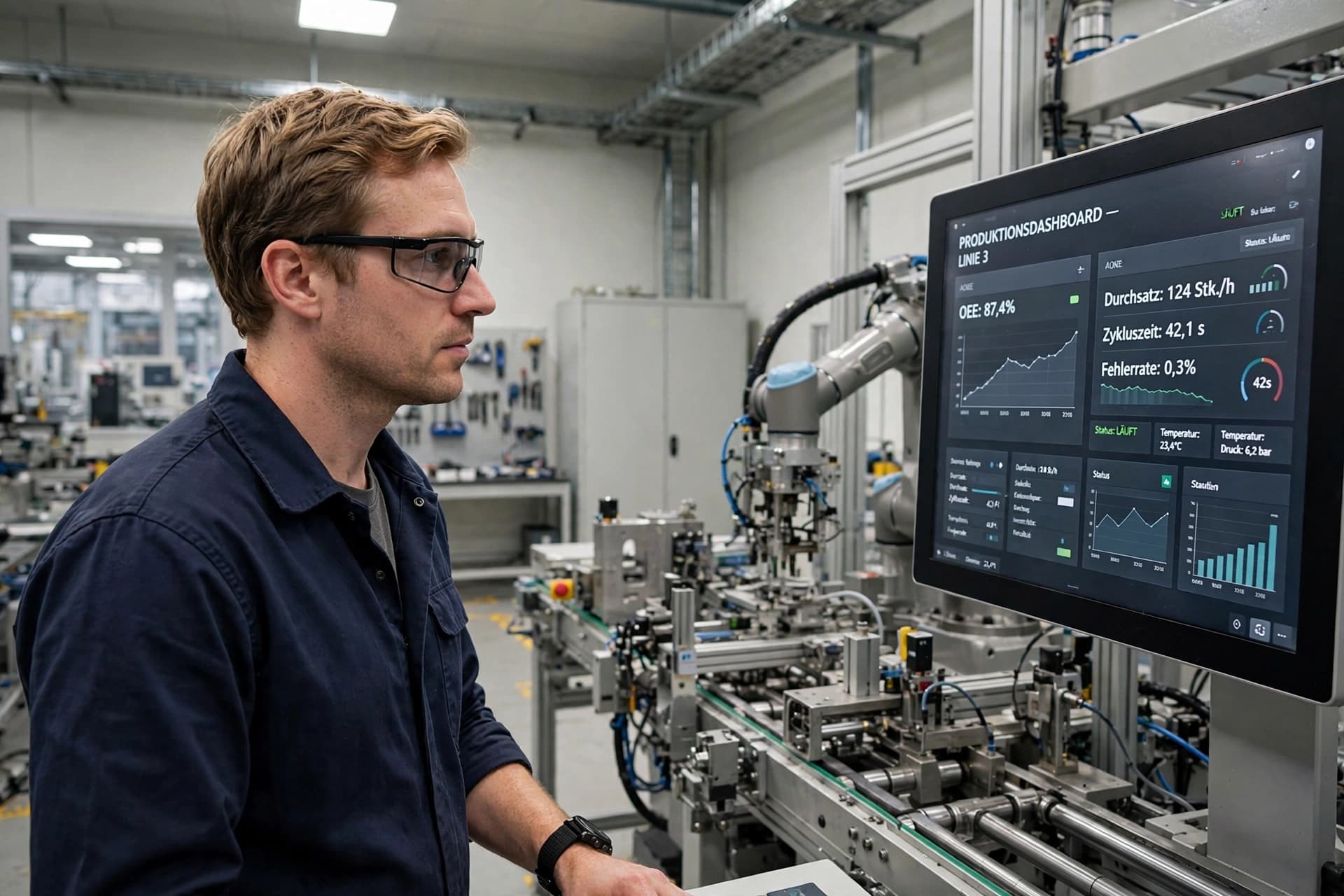
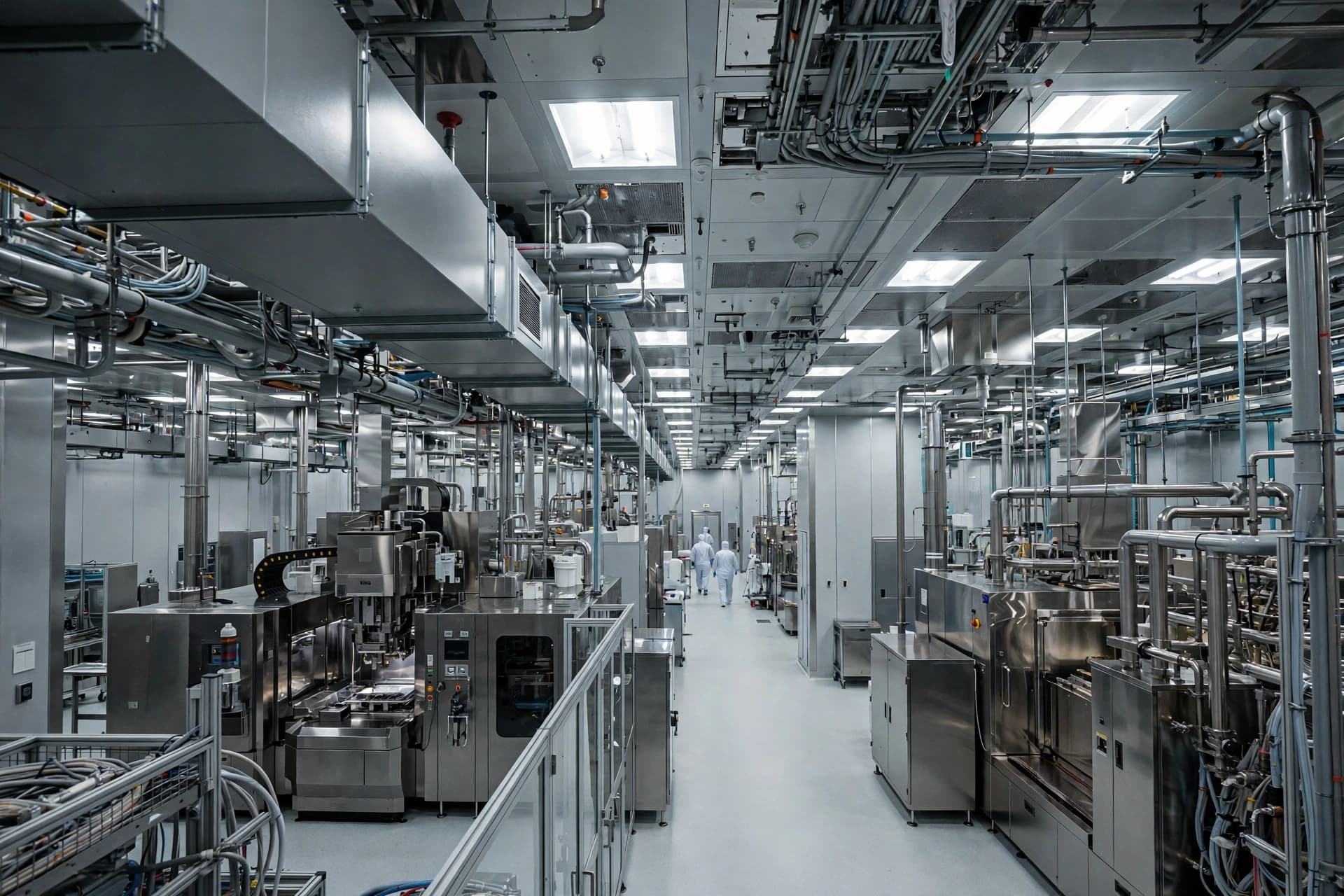
In the vast stillness of a desert plain or the quiet hum of a laboratory, progress often arrives in forms less visible than a rocket soaring into the sky. NASA’s latest supercomputer, an assembly of circuits and cooling towers, might seem like a monolith of code rather than a vehicle of exploration. Yet, in its silent calculations and ceaseless processing, it carries a promise as weighty as any spacecraft poised for launch.
The machine does not burn fuel or pierce the stratosphere. Instead, it simulates the heavens themselves, predicting trajectories, modeling planetary environments, and running thousands of complex calculations in moments that human hands would take years to complete. From these computations, engineers can foresee challenges before rockets leave the ground, anticipate conditions that astronauts may face, and optimize missions that stretch across millions of miles. The supercomputer becomes a silent partner, a co-pilot of ingenuity, shaping missions from conception to reality.
Beyond the mechanics of orbit and propulsion, the supercomputer is a tool for imagination. It allows scientists to explore possibilities—asteroid encounters, lunar landings, or Martian expeditions—without leaving the ground. The simulations inform decisions, reduce risk, and, in many ways, compress time, letting humanity preview outcomes and iterate solutions before hardware meets the void. It is an engine of foresight, quietly revolutionizing how space is studied, designed, and ultimately traveled.
For the public, a supercomputer may not inspire the same awe as a rocket launch, yet its role is no less pivotal. Each calculation, each modeled scenario, ripples outward into safer flights, more ambitious missions, and the possibility of discoveries that would otherwise remain beyond reach. NASA’s investment in this digital powerhouse reflects a recognition that exploration depends as much on intellect and prediction as on engines and fuel.
As the first bytes flow through its processors, as simulations unfold and reveal hidden patterns in the dance of celestial mechanics, the machine reminds us that the future of spaceflight is not only about pushing outward, but also about seeing further, understanding deeper, and preparing more wisely. In the hum of cooling fans and the flicker of screens, humanity inches closer to the stars, guided not only by rockets, but by the quiet intelligence of silicon companions.
AI Image Disclaimer
Illustrations were created using AI tools and are not real photographs.
Sources
NASA press releases
Space technology journals
Expert commentary on supercomputing in aerospace
Published by Banx Network. This article is part of the Banx decentralized media programme, powered by the BXE token on the XRP Ledger.