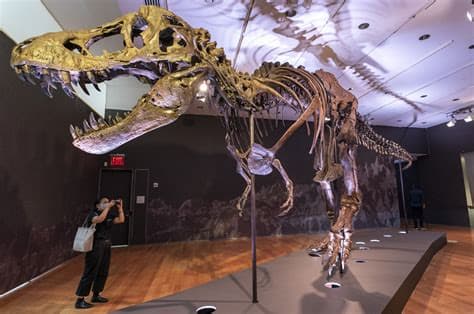
Across dry earth and layers of ancient sediment, time occasionally leaves behind astonishing reminders of worlds long vanished. In northeastern Thailand, paleontologists working beneath intense tropical heat have uncovered fossil remains believed to belong to one of the largest dinosaurs ever discovered in Southeast Asia, drawing fresh attention to the region’s prehistoric landscape.
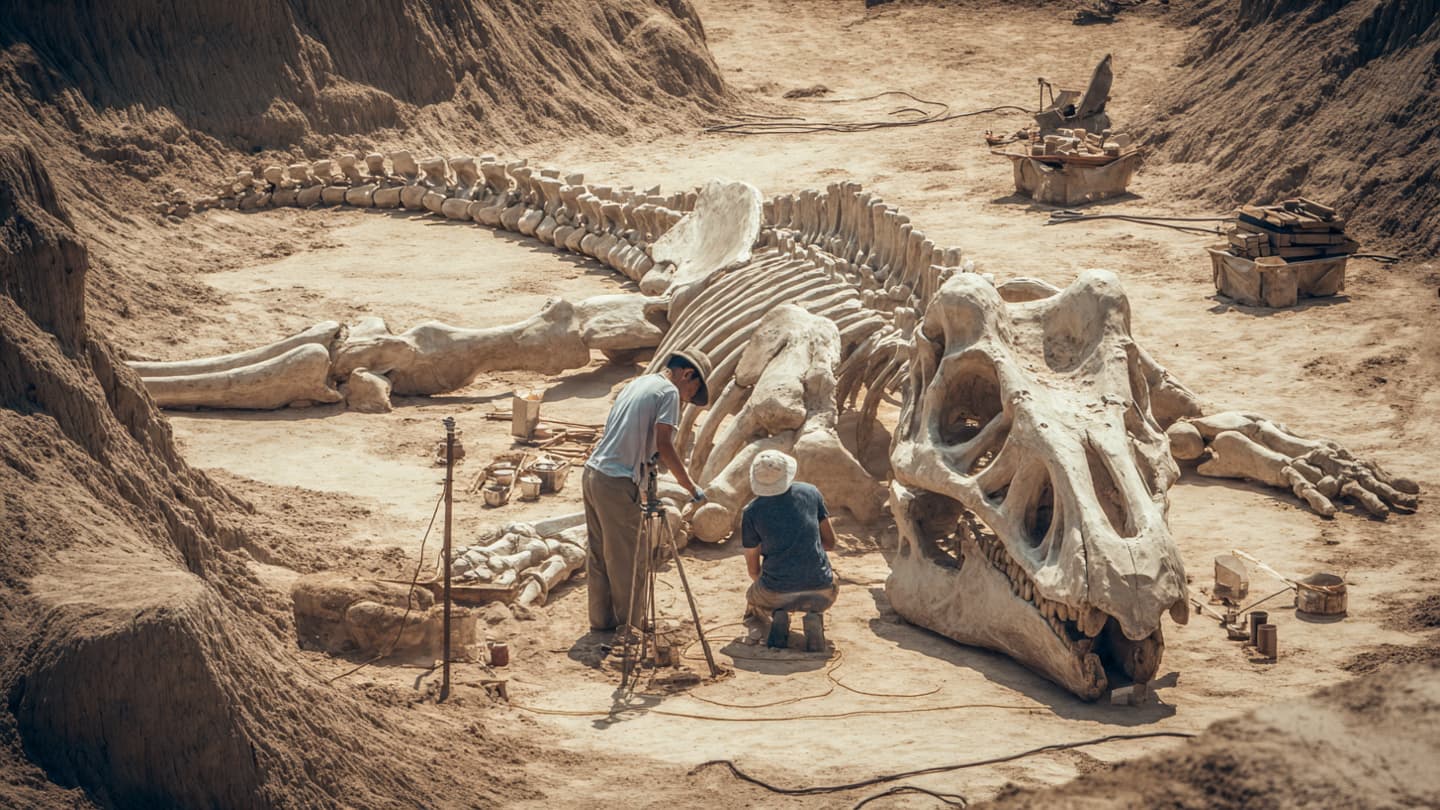
The excavation site, located within a fossil-rich area known for earlier dinosaur discoveries, revealed massive skeletal fragments embedded deep within ancient rock formations. Researchers estimate that the creature may have lived more than 100 million years ago during the Early Cretaceous period, when much of the region looked dramatically different from the landscapes seen today.
Scientists involved in the project described the fossil remains as exceptionally large compared to previous discoveries within Southeast Asia. Early analysis suggests the dinosaur may have belonged to a long-necked sauropod species, a group known for enormous body size and herbivorous feeding behavior. Some vertebrae recovered at the site measured significantly larger than expected.
Thailand has increasingly become an important center for paleontological research. Over recent decades, discoveries across the country have revealed evidence of diverse dinosaur species, prehistoric crocodiles, and ancient ecosystems once thriving across the region. Researchers say these findings continue reshaping understanding of dinosaur migration and evolution in Asia.
The excavation process itself remains slow and delicate. Teams use specialized tools to remove sediment carefully while preserving fragile fossil structures. Paleontologists often spend weeks documenting individual fragments before transporting them to laboratories for cleaning and further examination. Weather conditions and terrain can add additional challenges to fieldwork operations.
Beyond scientific interest, discoveries like this also influence local communities. Fossil sites frequently attract tourism, educational programs, and museum development projects that introduce younger generations to natural history. Thai authorities and academic institutions have expressed interest in preserving the site as part of the country’s growing scientific heritage.
Researchers caution that full identification of the dinosaur may require years of analysis. Fossil reconstruction involves comparing skeletal structures with previously known species while studying geological context and mineral composition. Scientists hope the remains may eventually provide insight into how large dinosaurs adapted to ancient Southeast Asian environments.
The discovery arrives during a period of renewed global fascination with paleontology. Advances in scanning technology, digital modeling, and fossil imaging are allowing scientists to study prehistoric creatures with unprecedented detail. Each excavation contributes another piece to the broader story of Earth’s biological history.
For now, the massive bones emerging from the Thai excavation site stand as quiet reminders of a distant era when enormous creatures once moved across landscapes now shaped by modern cities and farms. Beneath the ground, traces of ancient life continue waiting patiently to be rediscovered.
AI Image Disclaimer: Some accompanying dinosaur visuals were generated with AI assistance to support educational and editorial presentation.
Sources: Reuters, Bangkok Post, National Geographic
Published by Banx Network. This article is part of the Banx decentralized media programme, powered by the BXE token on the XRP Ledger.