There is a particular disquiet that comes from feeling the ground move beneath you—a disquiet that is not merely physical but philosophical, a reminder that the earth we treat as foundation is in fact a thin, fractured crust floating on a molten world. Just after 2 a.m. on Saturday, residents of southeast Victoria were woken by that reminder. A magnitude-4.8 earthquake struck near the town of Korumburra, about 135 kilometers southeast of Melbourne, shaking houses, rattling windows, and sending more than 21,000 felt reports to Geoscience Australia within hours. It was the strongest tremor the region had experienced in two decades.
The epicenter was at Arawata, a small locality near Leongatha, at a shallow depth of about 10 kilometers. Those closest to the epicenter described a loud bang—a phenomenon that occurs only in the immediate region of an earthquake, when seismic energy reaches the surface. Michael, from nearby Iona, told the ABC the shaking lasted between five and ten seconds. "The house was shaking, bed was shaking," he said. "The dog started barking—it was full on". A magnitude-3.1 aftershock followed less than an hour later, and hundreds more have been recorded since, most too small to be felt.
What makes this earthquake particularly notable is not its size but its location. The Gippsland region of Victoria is, by Australian standards, a seismically active area. In the past century, it has experienced about ten earthquakes of similar or greater magnitude—roughly one every decade, though not evenly spaced. In 1969, two moderate quakes struck near Boolara. In 2012, a magnitude-5.4 tremor hit near Moe. And the Korumburra-Arawata area itself has seen recurring activity, including a magnitude-4.6 in 2009 followed by another of similar size two weeks later.
The reason for this activity lies deep beneath the surface. Australia sits well within a tectonic plate, far from the boundaries where most of the world's earthquakes occur. But the continent is still being compressed by forces from distant plate edges—through New Zealand to the east, and Indonesia and Papua New Guinea to the north. That stress travels through the crust and accumulates until it is released along ancient zones of weakness called faults. In Gippsland, more than 100 million years ago, the crust extended to form the Gippsland Basin. In the last five to ten million years, those same faults were reactivated by compression, lifting the land and building mountains. The earthquakes we feel today are the release of that ongoing stress.
The concern for residents is not over. Monash University earthquake geologist Dr. Dee Ninis warned that aftershocks could continue for weeks, and that there is a chance—small but real—that an earthquake of similar or greater magnitude could occur. "Generally, these earthquakes will become smaller and less frequent with time," she said. "However, as with all aftershock sequences, there is a chance that an earthquake of similar magnitude or larger may occur". The region has experienced this before: after the 2009 Korumburra earthquake, a similar-sized event followed two weeks later.
The State Emergency Service has advised residents to stay calm, check for hazards, and be prepared for further aftershocks. The standard advice for anyone who feels the ground shake is to drop, cover, and hold on—to get under a sturdy table or desk and stay there until the shaking stops. It is advice that most Victorians have heard before, particularly since the magnitude-5.9 Woods Point earthquake in 2021, which damaged buildings in Melbourne and reminded the state that it does not sit on immovable ground.
For now, the damage from Saturday's quake appears limited. There have been no reports of injuries or significant structural damage, though one resident told the ABC their old house shook so violently that paint flaked off the walls. The building codes and the relative preparedness of the region have helped. But the earthquake is a reminder that the stability we take for granted is a matter of timescale, and that the forces that shaped the landscape are still at work beneath it. The aftershocks will continue. The faults remain. And the region, as it has before, will learn to live with the occasional shudder of a continent adjusting to its own weight.
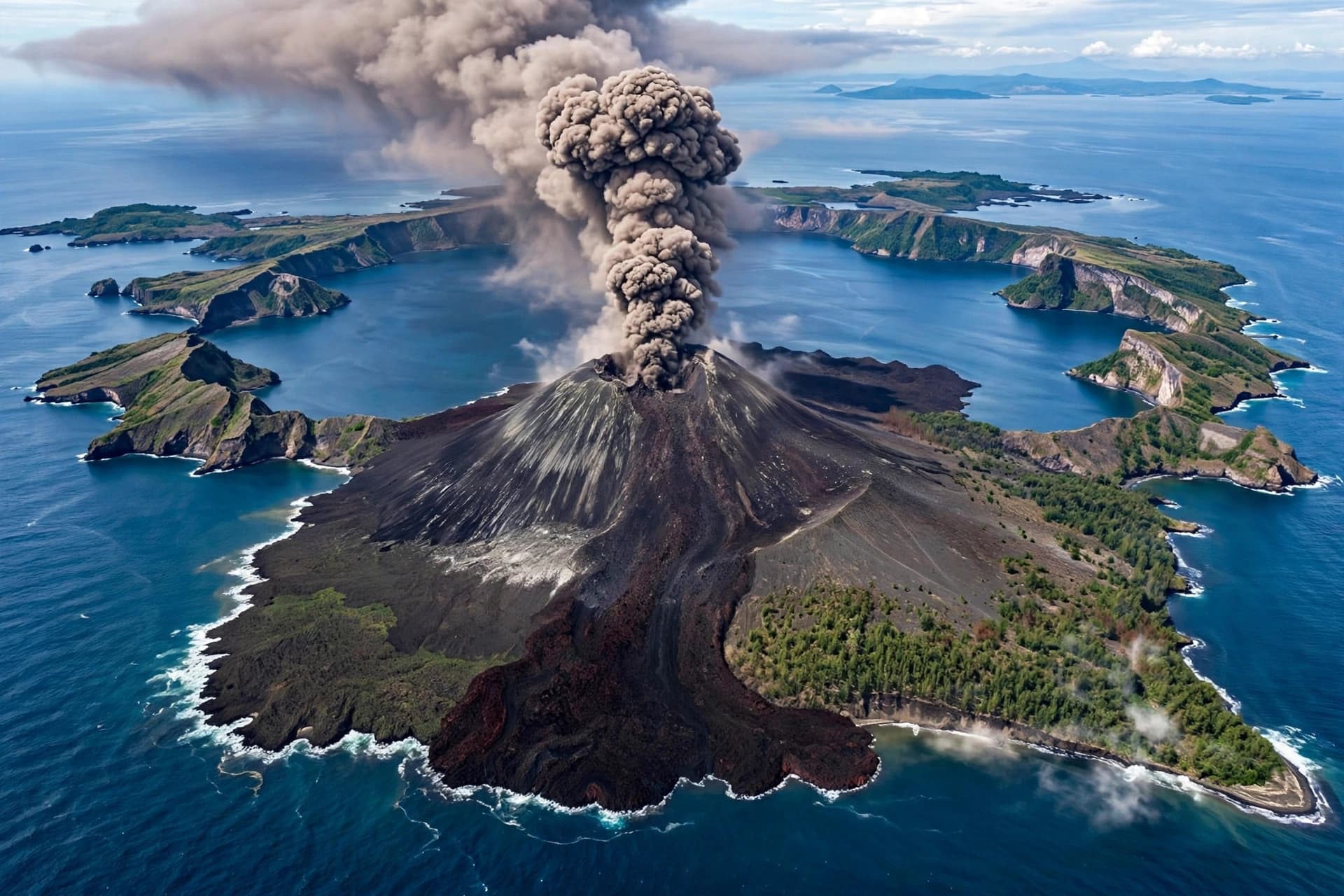
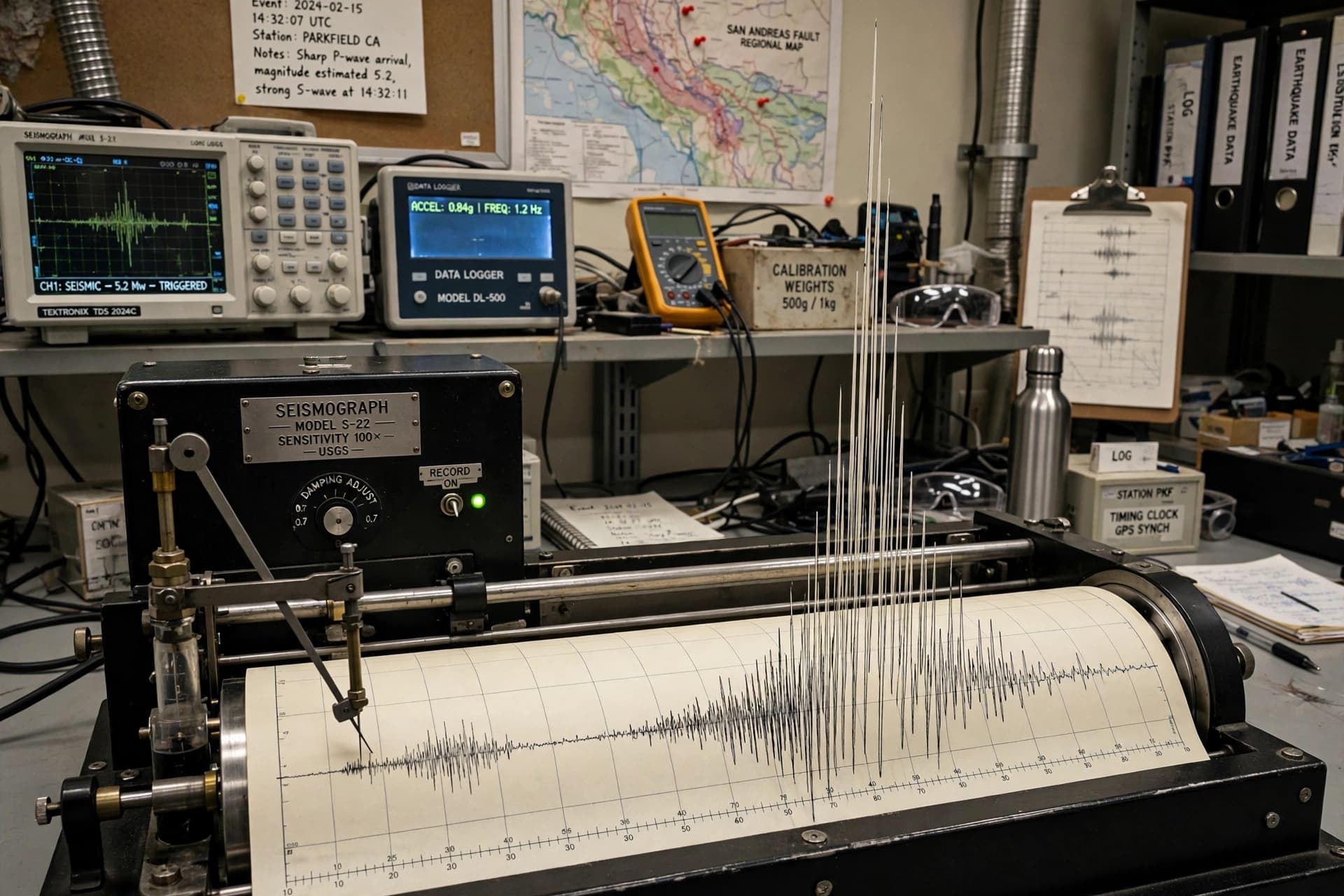
AI Image Disclaimer: The images accompanying this article were generated by artificial intelligence and are for illustrative purposes only.
Sources: The Conversation, ABC News, The New Daily, 7NEWS, VicEmergency, SBS Australia, The Canberra Times, The Nightly
Published by Banx Network. This article is part of the Banx decentralized media programme, powered by the BXE token on the XRP Ledger.